1.1. What is Mint Token?
Having grasped the general concept of mint crypto, let’s delve deeper into a specific aspect: What is Mint Token? Mintable Token refers to a term that describes legitimate tokens of a currency. The total supply of these tokens is not fixed.
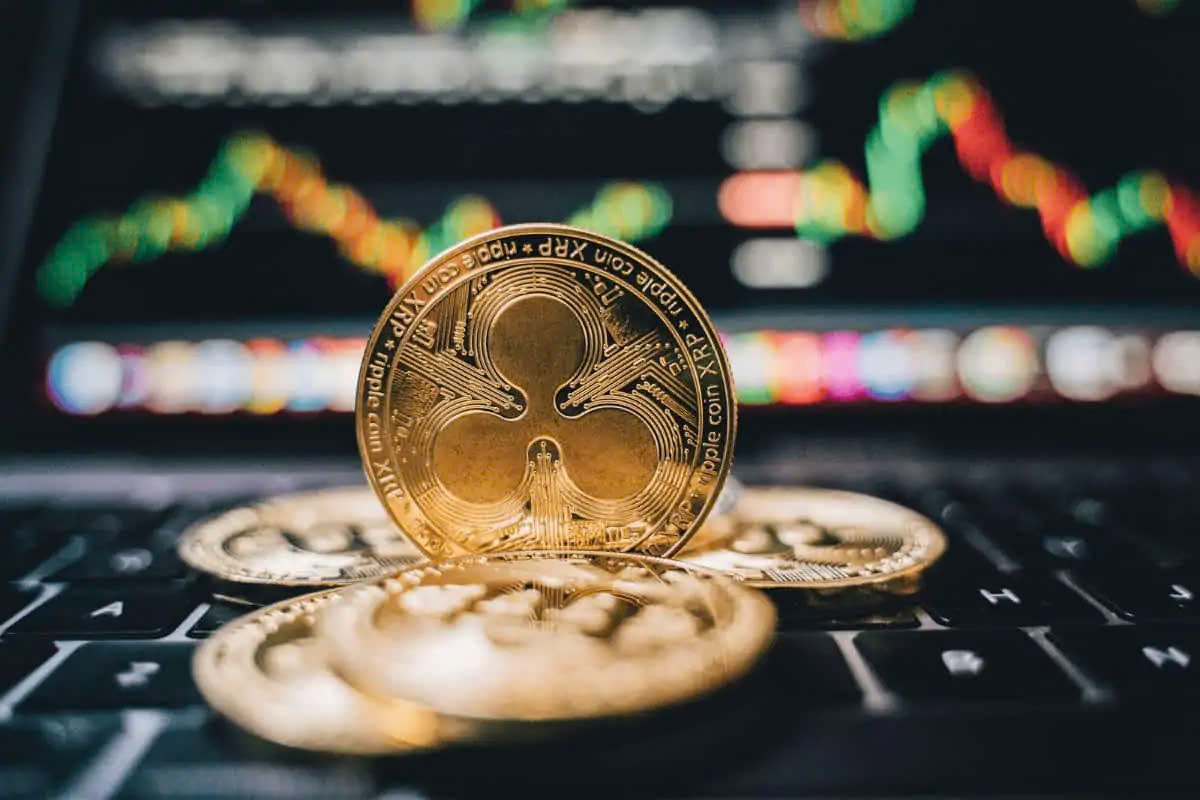
Adding a minting function to a smart contract token allows the owner to mint tokens at any time. This approach offers several benefits:
– It can be utilized during specific stages of an ICO.
– It can be used to create smart applications, contracts, or utility tokens that represent physical assets.
An individual can engage in both mint tokens and mint coins. Some people use these terms interchangeably, but they are entirely different concepts. If you are well-versed in cryptography, you likely know that minting tokens is more feasible and straightforward compared to minting coins. So, what is Mint Coin? How is Mint Token different from Mint Coin?
To put it simply, crypto is a term that encompasses both coins and tokens. Coins serve a specific utility within their blockchain, whereas tokens are built on pre-existing blockchain platforms. The two most popular networks for minting crypto are BSC (Binance Smart Chain) and ETH (Ethereum). Both provide token standards you can use to create your own digital currency.
1.2. What is Mint NFT?
NFT stands for Non-Fungible Tokens, which refers to tokens that are unique and cannot be replaced. NFTs use token standards to create unique identifiers that establish the distinctiveness of the token.
Similar to the concept of minting in crypto, minting NFT refers to the process of converting a series of encrypted codes into a digital asset or cryptocurrency collectible on the Ethereum blockchain. In other words, it is the process by which content and encryption become a part of the blockchain.
2. MINTING PROCESS IN BLOCKCHAIN
Usually, you will choose platforms to mint on the blockchain. For example, you can use OpenSea to mint NFTs on the Ethereum or Polygon blockchain. The crypto minting process is typically automated after you provide the necessary information, connect your digital wallet, and pay the fees.
2.1. How Does Minting Work in NFT?
The process of converting your digital content and encryption into an NFT and listing it for sale is similar to uploading a video on YouTube – it’s quite simple. Most NFTs on the market are currently stored through smart contracts on the Ethereum blockchain and BSC protocol. Using the Ethereum platform (to create, buy, sell, or trade assets) incurs a fee known as the “gas fee” or “Gwei.”
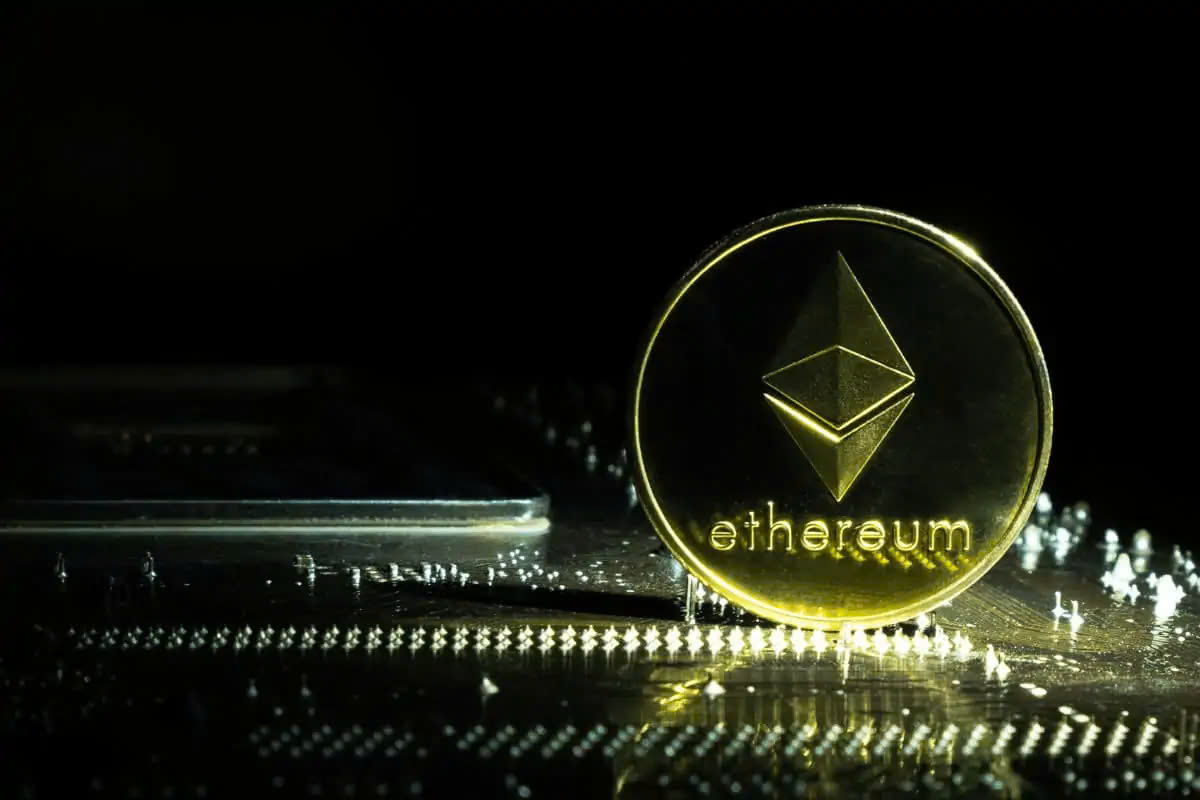
In essence, any digital content or file can be transformed into an NFT artwork or NFT content. If you’re using Chrome, you can use a digital wallet extension. The most commonly used wallet, almost default in the NFT market, is Metamask. However, you need to ensure that there is some ETH in the wallet to cover the gas fees. Below is the minting process in NFT:
2.1.1. Connecting Wallet to the NFT Marketplace
After connecting your Metamask wallet to any website in the NFT marketplace (for example, OpenSea NFT, Rarible, Nifty Gateway, Foundation, or Super Rare), users can create a profile including images, links, and portfolio pages. In today’s guide on how to mint NFTs, we will use OpenSea as an example.
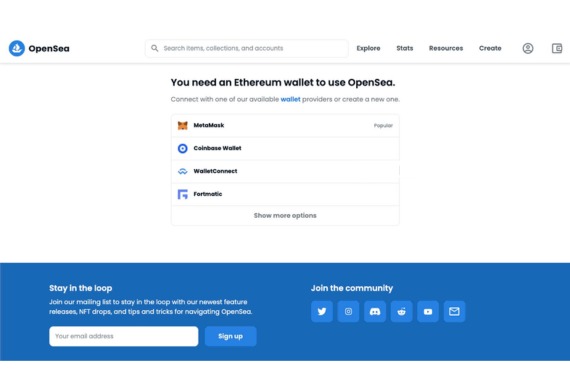
2.1.2. Uploading the File
After selecting “Create” and successfully connecting your wallet, the website will display an interface where you can create your own NFT. In the first section, you will upload an image to represent your NFT in the formats allowed by the website.
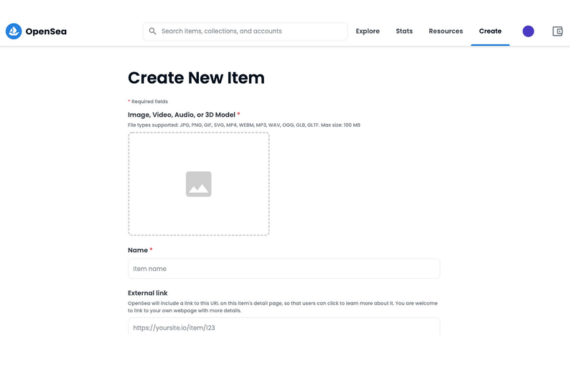
Next, fill in the necessary information and choose the blockchain platform. In OpenSea, users will be given the option to select either the Ethereum or Polygon network.
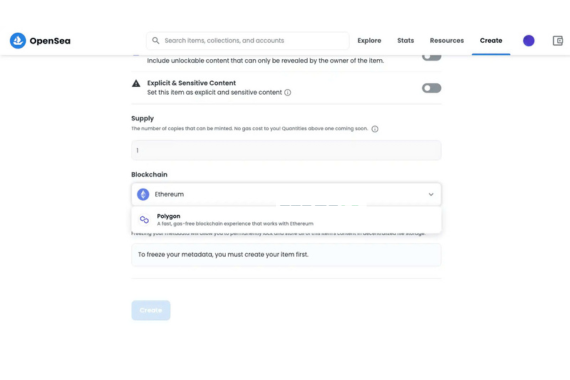
After uploading the file or digital content, you need to fill in the description and name of the NFT. Then, click “Create” or, on some platforms, “Mint NFT.”
2.1.3. Approving the Transaction and Gas Fees
As mentioned earlier, the NFT minting process incurs a fee, which is paid in ETH. Therefore, to mint an NFT, you will need to approve and confirm the gas fees to complete the NFT minting request.
This fee is paid to use the Ethereum blockchain. After that, the NFT minting process will begin automatically. During this process, the Ethereum smart contract will execute a code to deploy your asset on the Ethereum blockchain.
3. DIFFERENCE BETWEEN MINTING AND MINING
In short, the main difference between Minting and Mining is the method of creating a new cryptocurrency. This involves the mechanisms of Proof of Work and Proof of Stake:
– Proof of Work: This method is related to mining coins. It refers to the process of creating cryptocurrency by storing and validating transactions on a blockchain.
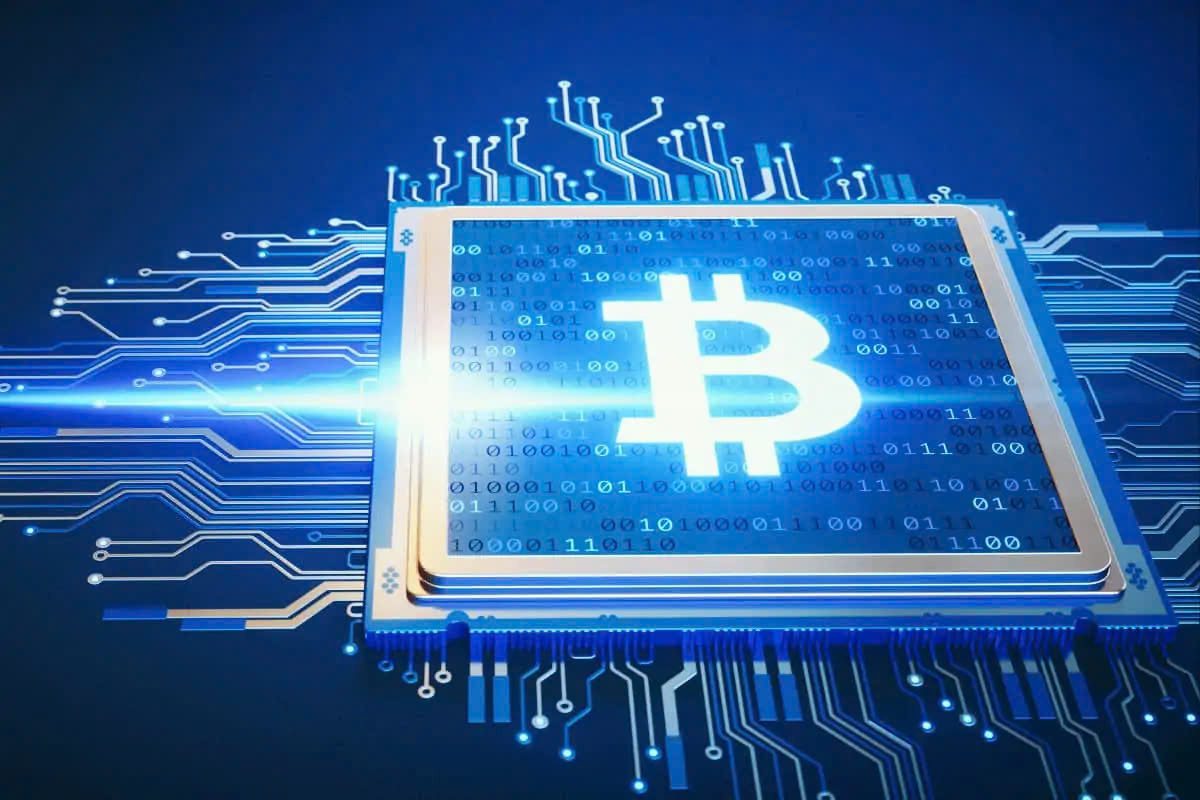
– Proof of Stake: This is the more popular minting method in blockchain and is considered a better approach for minting crypto. Unlike Proof of Work, which uses specialized devices to solve complex mathematical equations, Proof of Stake reduces the amount of computational work required to verify blocks and transactions.
However, both methods—minting and mining—have the same goal: securing the blockchain and distributing new tokens, but they do so through different means.
4. CONCLUSION
In summary, minting in blockchain refers to the process of increasing the total supply of tokens and the balance of addresses that the contract has previously minted tokens for. With today’s article, we hope you now understand the concept of minting in crypto, the crypto minting process, and have a clearer understanding of the minting process in NFTs on the blockchain. Gaining in-depth knowledge of the market will help you make more effective investments. And perhaps in the future, you or your team may mint NFTs. Therefore, building knowledge about coins is always valuable. Don’t forget to follow TradaFX for future articles!

 XM
XM Bybit
Bybit Binance
 Robinhood
 Webull
 IC Markets
 Pepperstone
 OKX
OKX Vantage
 VT Markets
 BingX
BingX Gate.io
 Kucoin
 MEXC
MEXC Exness
 Bitget
