
 XM
XM Bybit
Bybit Binance
 Robinhood
 Webull
 IC Markets
 Pepperstone
 OKX
OKX Vantage
 VT Markets
 BingX
BingX Gate.io
 Kucoin
 MEXC
MEXC Exness
 Bitget
Anyone who has ever invested in the crypto market surely knows about stablecoins. Why is that? Because stablecoins are almost always the first coins any investor purchases before using them to buy other cryptocurrencies. It can be said that the most popular stablecoin that most investors accumulate today is USDT.
So, what is a stablecoin? What problems do stablecoins solve in the crypto market? And which are the top stablecoins of 2022?
Let Forex answer these questions in the article below!
1. WHAT IS A STABLECOIN?
A stablecoin is a type of digital currency pegged to “stable” reserve assets like the US dollar or gold. Stablecoins are designed to reduce volatility compared to unpegged cryptocurrencies like Bitcoin.
To break down the concept of stablecoins, we can consider it as a compound word combining “stable” and “coin.” By now, you might have guessed the primary characteristic of this type of coin: stability. More specifically, stablecoins belong to the category of stable assets. Stable assets are defined as assets with low volatility, the ability to maintain value, and greater stability compared to other assets in the market. The term “coin” here refers to a crypto coin within the blockchain network of the cryptocurrency market.
So, what is a stablecoin? Simply put, stablecoins are cryptocurrencies with low volatility and stable value, which is always pegged to a fiat currency—most commonly the US dollar. Holding stablecoins helps investors avoid price fluctuation risks, as their value is tightly linked to the fiat currency or underlying asset they emulate.
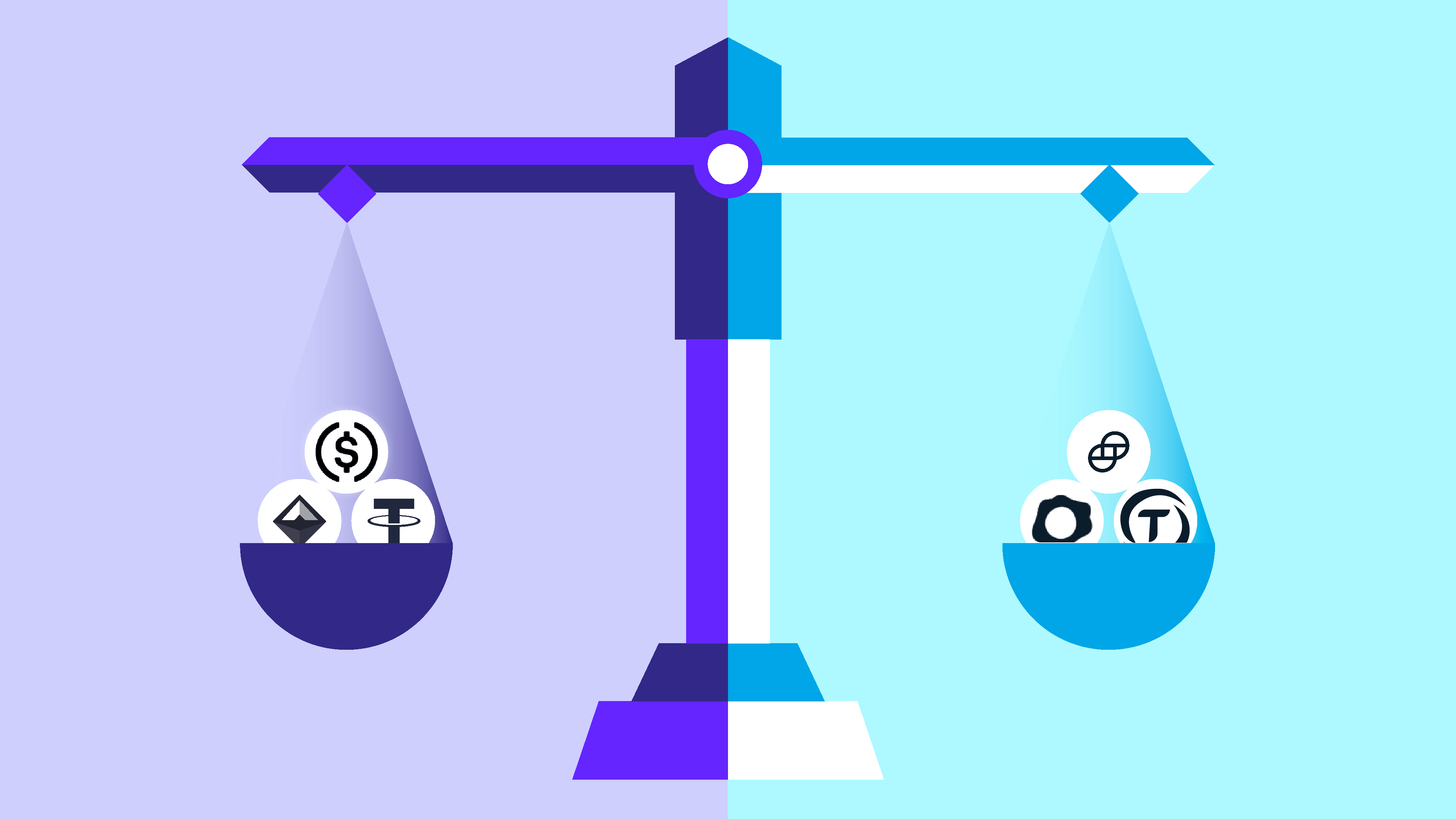
1.1. Advantages and Disadvantages of Stablecoins
| Advantages | Disadvantages |
|---|---|
| Serve as a medium of exchange to support highly volatile cryptocurrencies. | Less decentralized compared to other cryptocurrencies. |
| Help investors protect their portfolios by reducing overall risk. | Depend on collective trust to maintain the system, particularly for coins that have not yet been proven. |
| Act as a bridge between cryptocurrencies and traditional financial markets. |
1.2. Why is investing in stablecoins the safest?
If you are wondering whether Bitcoin is a stablecoin, the answer is no. Why? While Bitcoin’s value has experienced significant fluctuations since its inception, the most important characteristic of stablecoins is their ability to separate the high-risk, high-reward nature of the crypto market from the frequent volatility of its assets. This makes stablecoins the safest and most suitable type of coin for investors aiming for storage and as a medium of value exchange.
2. WHAT IS THE ROLE OF STABLECOINS?
So, what is the role of stablecoins? What issues do they address in the crypto market? The answer is quite clear by now. The emergence of stablecoins has resolved the biggest issue in the current crypto market: volatility. Traders and investors can shift their transactions to stablecoins to avoid the volatility of cryptocurrencies, rather than converting to fiat currencies.

On the other hand, for stores, organizations, and companies, accepting payments in cryptocurrencies is challenging due to the 20-30% price volatility in a short time. This makes widespread acceptance of cryptocurrencies significantly more difficult. At this point, the critical role of stablecoins is to bridge the traditional financial market with the cryptocurrency market. Clearly, converting fiat currencies into cryptocurrencies becomes much easier with the presence of stablecoins.
So why are stablecoins important to the crypto market? Most people are reluctant to accept losses, making it harder to embrace the risks associated with highly volatile and speculative crypto assets. In the crypto market, token values can drop by tens of percent within a week, and not everyone can withstand such risks. At this point, stablecoins serve three main roles:
- Safe haven during market corrections: By converting your tokens into stablecoins, you can avoid being affected during price adjustments.
- Facilitating easy conversion and transactions: Stablecoins enable investors to easily exchange, buy, and connect with various cryptocurrencies across different ecosystems.
- Bridge between cryptocurrency and traditional CeFi markets: Most funds entering the crypto market flow through stablecoins.
3. HOW ARE STABLECOINS CLASSIFIED?
There are various criteria investors can use to classify stablecoins. Below, Forex suggests categorizing stablecoins based on their collateral ratio, as collateral plays a vital role in maintaining the stability of a stablecoin’s price.
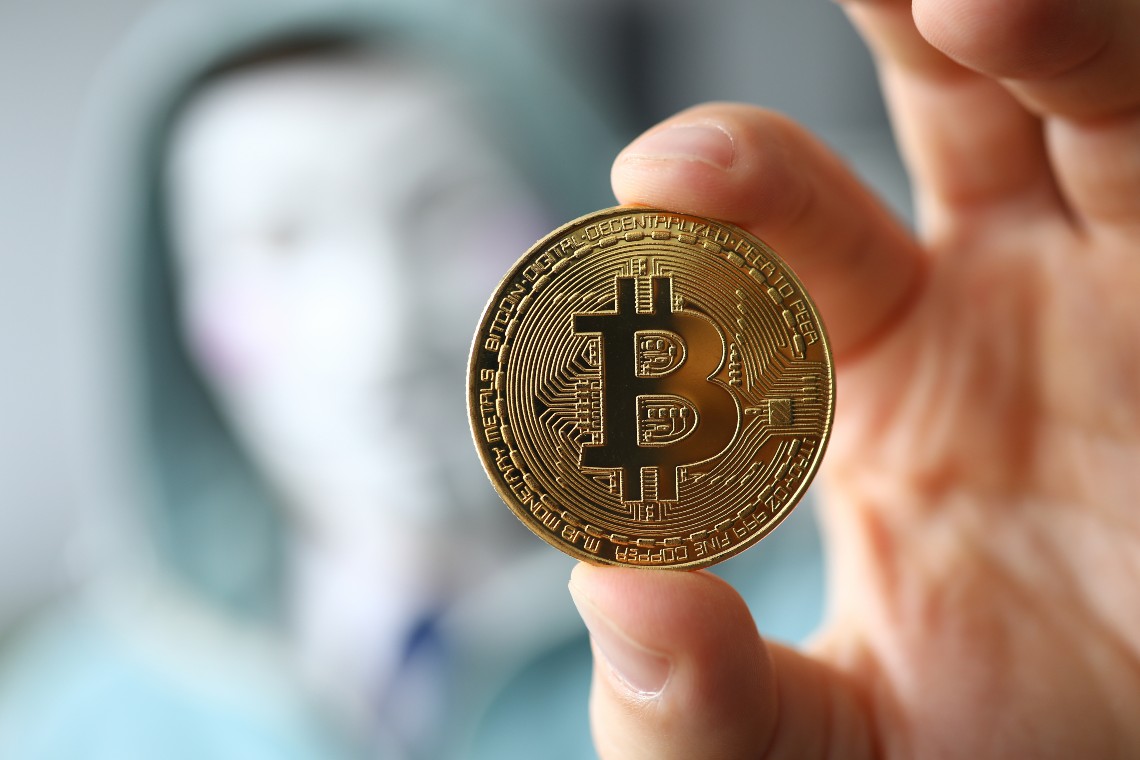
Accordingly, there are four types of stablecoins with different characteristics:
- Full-reserve stablecoins: such as Tether, USDT, USD Coin, USDC, Binance UST, BUSD (of which USDC and USDT are the two most commonly used stablecoins in DeFi).
- Partial-reserve stablecoin: Frax Finance with FXS and FRAX (for each FRAX token mined on the market, only a portion of its value is reserved in USDC).
- Over-collateralized stablecoins: MakerDAO with MKR and DAI, Venus with XVS and VAI, Party Parrot with PRT and PAI (DAI can always redeem assets of greater value than the total DAI issued. However, the limitation of this type of stablecoin is its difficulty in scaling).
- Non-reserve stablecoins: achieve stability by applying a rebase algorithm based on supply and demand adjustments. Within the group of non-reserve stablecoins, there are two smaller branches. The first is the Rebase model, such as AmpleForth, BASE Protocol, and Yam Finance. The second is the Seigniorage model, including Fei Protocol, Empty Set Dollar, Terra UST, Basic Cash, Mithril Cash, Basic Dollar, and Dynamic Supply.
It is evident that stablecoins are divided into various types, making them challenging to remember. Here, TradaFX advises that if you want to learn about stablecoins, start by focusing on the top market-cap stablecoins, such as USDT, USDC, BUSD, DAI, and UST.
4. THE SAFEST WAYS TO EARN MONEY FROM STABLECOINS
After understanding the concept of stablecoins, Forex will suggest how new traders can earn money with stablecoins. Below are two approaches that new investors can consider:
First, investors should examine the market capitalization of the stablecoin ecosystem. If an ecosystem shows signs of growth, there is a high probability that the market’s capital flow will shift toward that ecosystem. For example, when TerraUSD grows, tokens like LUNA, MIR, and ANC tend to grow alongside it.
Second, in a simpler approach, investors can buy stablecoins and participate in lending (a form of loaning) or farming (a form of depositing) to earn interest.
5. TOP STABLECOINS IN 2022
Below is a list of top stablecoins favored by many investors.
5.1. USDT
As mentioned earlier, USDT is considered one of the most popular stablecoins, pegged to the US dollar at a 1:1 ratio. In other words, the value of 1 USDT is equal to the value of 1 US dollar.
The advantage of USDT lies in its convenience and high liquidity in the market. However, there are some drawbacks, such as a lack of transparency due to the absence of public audits, and relatively high withdrawal fees when using USDT.
5.2. USDC
USDC is issued by Circle, a startup technology company focused on peer-to-peer payments, and is backed by Goldman Sachs. The value of USDC is pegged to the US dollar at a 1:1 ratio.
The advantages of USDC include its stability and transparency, as it is audited by leading global institutions, allowing users to verify activities such as issuance and circulation. It is also convenient for users, offering fast and easy transactions at a lower cost compared to fiat transactions.
The downside of USDC is that it has fewer trading products than USDT. Additionally, the company only supports direct conversion between USDC and fiat currencies for U.S. citizens; users from other countries can only convert through exchanges.
5.3. BUSD
BUSD, or Binance USD, is issued by Binance under the management and approval of the NYDFS. BUSD is considered a digital fiat currency pegged to the value of the US dollar at a 1:1 ratio.
The strengths of BUSD include transparency, public disclosure, and its convenience for investors on the Binance exchange, playing an important role in payments and settlements.
5.4. DAI
DAI is issued by MKR and uses collateralization to maintain its value and adapt to market fluctuations. The value of DAI is tied to other collateral assets, which are cryptocurrencies (on the Ethereum Blockchain), rather than fiat currency.
The strengths of DAI are that it always exists, allowing for direct transactions without intermediaries, and it is possible to borrow DAI using Ethereum as collateral.
5.5. TUSD
TUSD, or TrueUSD, is issued by the organization TrueCoin and is backed by the US dollar at a 1:1 ratio.
TUSD’s advantages include high security, as it is stored on a Smart Contract, stability, safety, and the ability to withdraw directly at banks when needing to convert money.
5.6. GUSD
GUSD, or Gemini Dollar, is issued by the reputable exchange Gemini and is backed by the US dollar at a 1:1 ratio.
The advantages of GUSD include being issued by a reputable organization, being audited monthly with transparency by BPM, and having fairly flexible security features.
6. SUMMARY
Through this article, Forex has introduced the concept of stablecoins, their role, and how they are classified. Additionally, Forex has shared two ways to earn money with stablecoins for beginners, as well as a list of the top stablecoins in 2022. We hope that through this article, you are able to answer questions like whether Ethereum is a stablecoin or if SRP is a stablecoin.
Good luck with your trading!
- t.me/finance_solutes
- Website: https://finance-solutes.com
- Hotline: +1 929 5636 439 ( Hotline )
- 26 Broadway, Suite 934, New York, 10004, US
