
 XM
XM Bybit
Bybit Binance
 Robinhood
 Webull
 IC Markets
 Pepperstone
 OKX
OKX Vantage
 VT Markets
 BingX
BingX Gate.io
 Kucoin
 MEXC
MEXC Exness
 Bitget
Bond market pricing can often seem abstract and complex, leading many to ascribe various meanings to it, sometimes with a sense of paranoia. However, while it certainly holds some meaning, it primarily reflects the collective decisions of several major players in the economy, such as the Federal Reserve, Congress, global investors, companies, and sovereign wealth funds. At present, the market’s pricing suggests a relatively low risk of a US recession. In this article, we’ll break down the key factors that drive Treasury prices and explore how these market trends are shaping expectations.
KEY DRIVERS OF TREASURY PRICES: FED POLICY AND INFLATION RISK
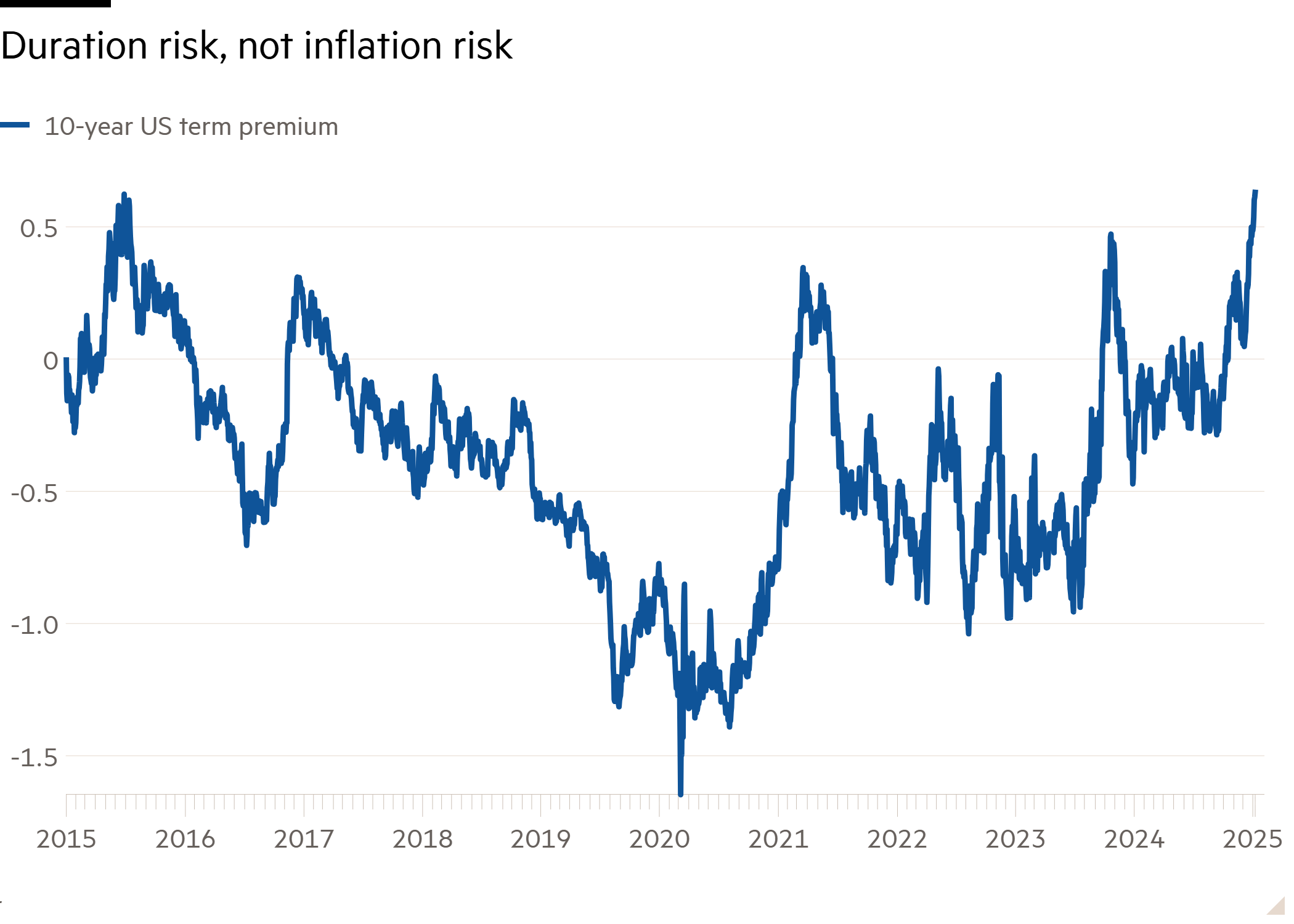
Treasury prices are primarily driven by two critical factors: expectations around Federal Reserve policy and inflation risk. Both of these elements have remained relatively stable since the central bank’s first rate cut. However, a more nuanced factor that’s influencing pricing is the term premium. This metric measures the duration risk associated with holding a Treasury bond that matures in the long term, such as 10 years, compared to shorter durations like one or five years.
After a strong jobs report, the term premium surged to its highest levels in at least a decade, highlighting the ongoing shifts in the market. The term premium, while often used as a catch-all indicator, doesn’t always correlate directly with duration risk. In fact, there have been instances when the US bond market’s term premium was negative, which has led to some debate among experts over how best to measure it.
THE ROLE OF THE TERM PREMIUM IN MARKET MOVEMENTS
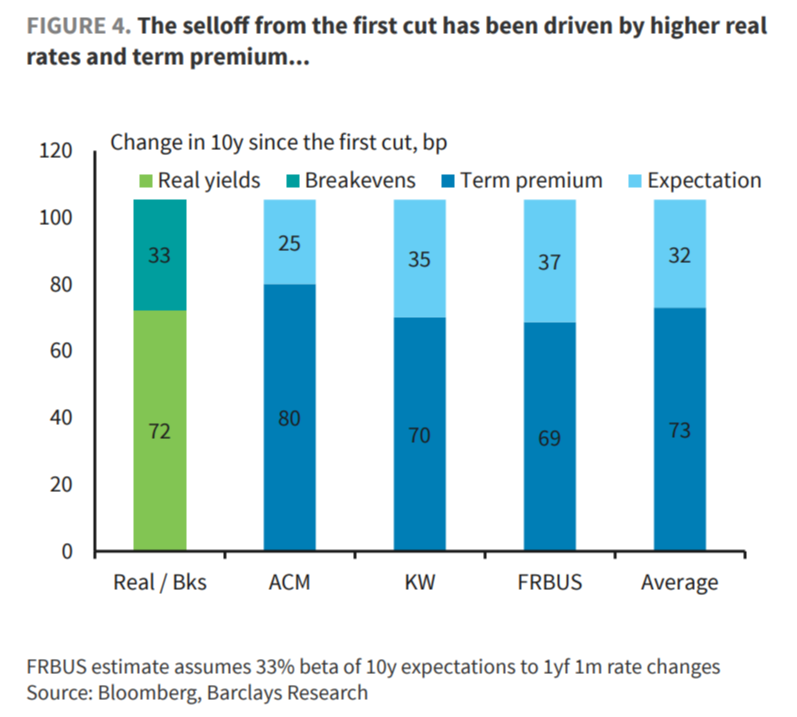
Despite the complexities surrounding the term premium, the majority of the sell-off in bond markets since the Fed’s rate cut in September has been attributed to changes in the term premium, according to analysts at Barclays. This suggests that market movements are largely driven by duration risk, rather than concerns over an imminent recession or drastic changes in Federal Reserve policy.
ECONOMIC DATA AND ITS INFLUENCE ON BOND YIELDS
Economic data plays a crucial role in shaping expectations for bond yields. A stronger US economy increases the likelihood of unexpected events that could drive bond yields higher. This could be due to the Federal Reserve tightening monetary policy or unexpected increases in inflation that aren’t yet reflected in inflation-linked bonds. With Treasury Inflation-Protected Securities (TIPS) and linkers being less liquid markets, price adjustments often take time.
In fact, markets are no longer as concerned about the risk of a hard landing for the US economy. Instead, they are focusing on the possibility of a Fed hike. In September 2023, when the Fed had a tightening bias, markets were pricing in a 40% chance of a rate hike. Currently, expectations have risen to similar levels, signaling increased concern about the Fed’s future actions.
PERSPECTIVES FROM ECONOMISTS: INFLATION AND FISCAL POLICY CONCERNS
Economists suggest that while the rise in long-end term premiums might seem excessive, it could reflect expectations around inflationary fiscal policies and a Federal Reserve unlikely to take actions that would lower yields. The fiscal situation remains uncertain, and the strong economic data could prevent any dovish shifts from the Fed in the near term.
Goldman Sachs notes that while rising long-term yields can act as a brake on economic growth — as higher yields lead to higher borrowing costs — the yield movement has not yet reached a self-correcting point. In other words, while rising yields are concerning, they are not yet at a level where they will automatically correct themselves in the near future.
GLOBAL CONCERNS: RISING YIELDS AND THEIR IMPACT ON THE UK
Rising yields are not just a concern for the US, but also for other economies around the world, especially in countries like the UK. According to TS Lombard’s Dario Perkins, the rise in yields could be particularly problematic for countries with questionable fiscal policies. In the UK, for example, a “silly definition of fiscal space” may exacerbate the effects of rising yields, posing a bigger challenge than in the US.
Although the US recession is now fully priced into the market, there’s still potential for term premiums to rise further, depending on the developments in US fiscal and monetary policy. The continued rise in yields could have a broader impact, especially for nations like the UK that may struggle to cope with these shifts.
CONCLUSION
Bond market pricing remains a complex and abstract subject, influenced by a variety of factors, including Federal Reserve policy, inflation risk, and term premiums. While the risk of a US recession appears minimal for now, the growing concerns about Fed hikes and fiscal policy developments could continue to shape market expectations. The term premium remains a key indicator to watch, as it has been a significant driver of bond market movements in recent months. As the market adjusts to new economic data and shifting expectations, both US and global investors will need to stay informed about the evolving dynamics of bond pricing and its impact on financial conditions.
By understanding the key drivers behind Treasury prices and the term premium, investors can better navigate the complexities of the bond market and make more informed decisions about their portfolios.
- t.me/finance_solutes
- Website: https://finance-solutes.com
- Hotline: +1 929 5636 439 ( Hotline )
- 26 Broadway, Suite 934, New York, 10004, US
