
 XM
XM Bybit
Bybit Binance
 Robinhood
 Webull
 IC Markets
 Pepperstone
 OKX
OKX Vantage
 VT Markets
 BingX
BingX Gate.io
 Kucoin
 MEXC
MEXC Exness
 Bitget
Experts warn strong trade measures against US allies would harm consumers and disrupt supply chains. Donald Trump has faced backlash from business groups and some members of his own Republican party following his initiation of a trade war by imposing high tariffs on the three largest U.S. trading partners.
Concerns Over the New Tariffs
Trade associations representing consumer goods, oil, groceries, and car manufacturers have raised alarms, warning that Trump’s new tariffs—ranging from 10% on imports from China, 25% on all goods from Mexico and Canada, and a lower 10% tariff on Canadian energy—will push prices higher for average American consumers and disrupt supply chains.
John Murphy, senior vice president of the U.S. Chamber of Commerce, the largest business group in the U.S., stated, “The president is right to focus on major issues like a broken border and the fentanyl crisis, but imposing tariffs… will not solve these problems and will only raise costs for American families.”
Consumer goods groups have warned that Americans will see higher food prices, while car manufacturers caution that the tariffs will increase production costs for vehicles in the U.S.
Impact on Supply Chains and Consumers
Tom Madrecki, vice president of supply chain resilience at the Consumer Brands Association, said, “Tariffs on all goods from Mexico and Canada—especially on parts and inputs that are not available in the U.S.—could lead to higher consumer prices and retaliatory actions against U.S. exporters.”
Kim Clausing, a senior fellow at the Peterson Institute, noted that these tariffs represent “the largest tax hike since the 1990s,” adding, “We have become accustomed to frictionless trade in North America. And that has been true throughout the lifetime of some people. So, shifting from free trade to 25% tariffs is quite significant, and I think this will cause a major shock to the U.S. economy.”
Retaliation from Canada and Mexico
On Saturday, Trump’s tariff order placed economic nationalism at the forefront of his agenda, while he criticized the U.S. trade deficit with trading partners.
In response, Canadian Prime Minister Justin Trudeau announced a 25% tariff on goods worth 155 billion Canadian dollars (107 billion U.S. dollars), including thousands of specific products ranging from meat to orange juice, household items, rubber tires, lumber, paper products, and clothing.
Finance Minister Dominic LeBlanc stated that the first 30 billion dollars’ worth of tariffs would target “primarily consumer goods we import from the U.S., and there will be alternative products for Canadian buyers.”
Mexican President Claudia Sheinbaum is expected to soon announce tariffs after warning of retaliatory measures.
Trump’s Continued Criticism of Trade Deficits
Trump ramped up attacks on U.S. trading partners on Sunday, taking to social media to criticize the U.S. trade deficit and repeating his demand for Canada to become the “51st state.”
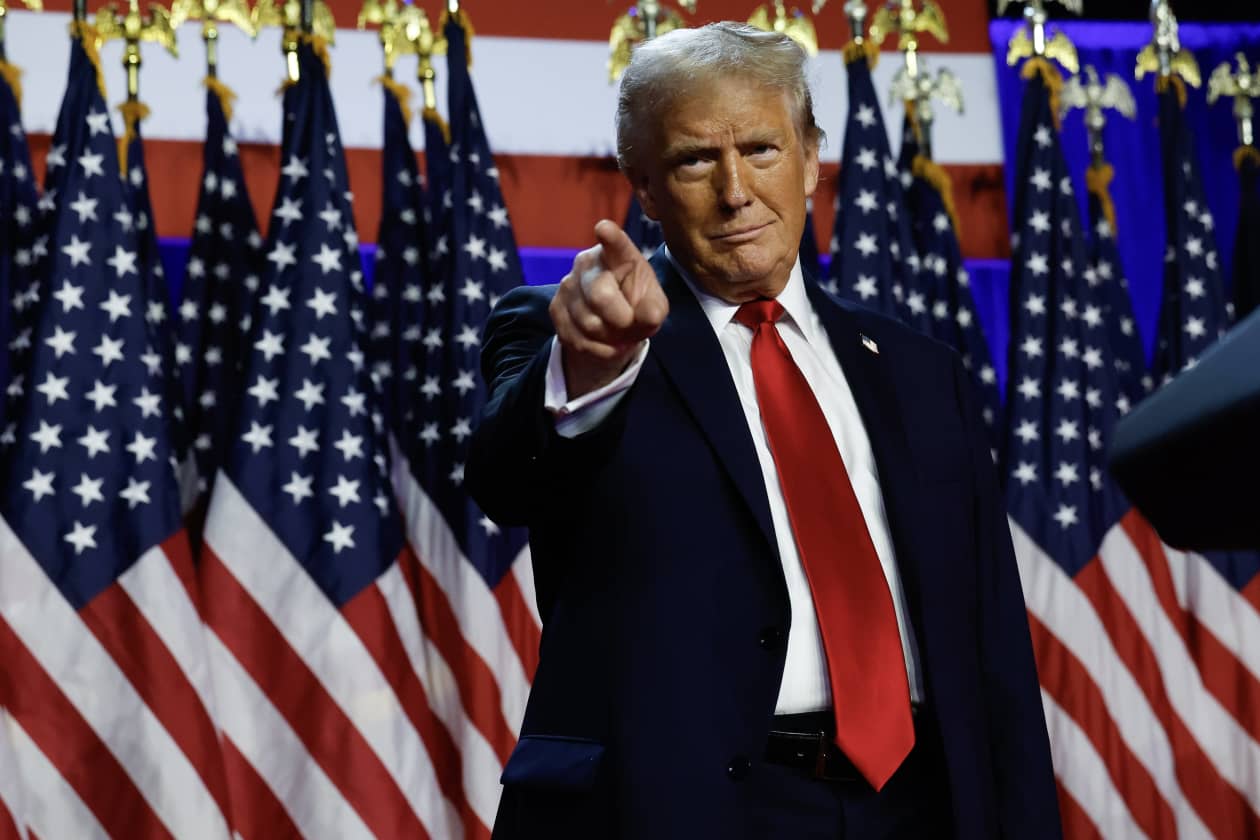
“We’re paying hundreds of billions of dollars to SUBSIDIZE Canada. Why?” he posted on Truth Social. “There’s no reason for it. We don’t need anything they have. We have endless Energy, should make our own Cars, and have more Wood than we can use. Without these massive subsidies, Canada would no longer be a viable Nation. Harsh but true! Therefore, Canada should become the 51st State under our care.”
Criticism from Lawmakers
The new trade measures have been criticized by lawmakers, including Tim Scott, a Republican Senator from South Carolina, who called them “nothing more than a tax on the people of South Carolina.”
Scott wrote on X: “I understand and appreciate the good faith efforts to take action against countries like China, who continuously violate and disregard the rules, but treating our close, longtime allies the same way is at best ineffective.”
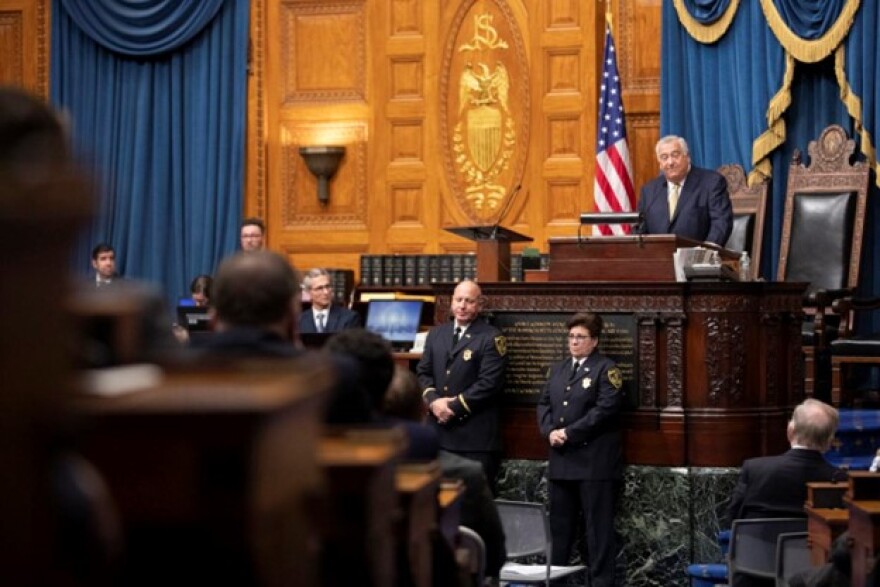
Republican Senator Rand Paul of Kentucky wrote on X: “Tariffs are simply taxes. Conservatives used to unite against new taxes. Imposing trade tariffs will mean less trade and higher prices.”
Democratic lawmakers in Congress have also condemned Trump’s move.
Richard Neal, senior Democrat on the House Ways and Means Committee, overseeing trade policy, stated, “These reckless tariffs will have serious consequences, and the American people will pay the price.”
Neal added, “Targeted, thoughtful measures aimed at specific industries could protect U.S. interests and workers, while demonstrating comprehensive policy-making. That is not what the president is doing.”
Economic Impact and Inflation Concerns
Last month, the Peterson Institute estimated that the sanctions Trump threatened could harm all countries involved, including the U.S.
The institute estimated that a 25% tariff on imports from Canada and Mexico would cost the U.S. economy about 200 billion dollars over Trump’s term, while higher tariffs on Chinese imports would lead to a loss of 55 billion dollars. U.S. inflation would also rise.

Ed Al-Hussainy, senior interest rate and currency analyst at Columbia Threadneedle, noted that the U.S. had “adopted the riskiest tariff strategy, with very high chances of retaliation.” He added, “I predict that financial conditions will tighten starting this week—think of stock declines, wider credit spreads—because the risk markets now have to price in the scenario ‘tariffs as a negotiation tactic’ and price in the risk of more declines.”
Goldman Sachs research analysts wrote on Sunday that “this tariff is likely to be temporary” due to its potential economic impact, and the White House had set general conditions for their removal.
The investment bank had previously estimated that a long-term 25% tariff on imports from Canada and Mexico would increase core personal consumption expenditures by 0.7%.
Conclusion
While Trump’s tariffs are seen as a bold move to address trade imbalances, experts and lawmakers alike have raised concerns about the long-term impact on American consumers and the global supply chain. With retaliation from trading partners already underway and the threat of higher costs for U.S. households, the ultimate consequences of these trade policies remain uncertain. The debate over the economic strategy will continue to unfold as these measures are implemented.
- t.me/finance_solutes
- Website: https://finance-solutes.com
- Hotline: +1 929 5636 439 ( Hotline )
- 26 Broadway, Suite 934, New York, 10004, US
