
 XM
XM Bybit
Bybit Binance
 Robinhood
 Webull
 IC Markets
 Pepperstone
 OKX
OKX Vantage
 VT Markets
 BingX
BingX Gate.io
 Kucoin
 MEXC
MEXC Exness
 Bitget
What is FOMC? Let’s explore the concept and how this financial institution works with TraderForex. FOMC is an organization responsible for monetary policy, and its decisions have a significant impact on interest rates and other economic variables. So, how powerful is this organization? What is the process for making decisions at FOMC? Let’s dive into these interesting details in this article!
What is FOMC?
FOMC stands for the Federal Open Market Committee, which is a powerful institution in the United States and one of the most respected monetary organizations in the world. The FOMC is responsible for creating and formulating the monetary policy of the Federal Reserve (FED), which is the central body that executes monetary policy with the goal of stabilizing prices and ensuring full employment in the labor market.
The main task of the FOMC is to review, evaluate, and implement the monetary policies set by the FED, making decisions by adjusting short-term interest rates in response to the developments in the economy.

The main objective of the FOMC is to increase prices by 2% annually and reduce the annual inflation rate multiple times. This aims to promote the growth of the domestic economy. For these reasons, information about the FOMC and its meetings is always the focal point of attention for investors and the media.
FOMC Meeting
Duration
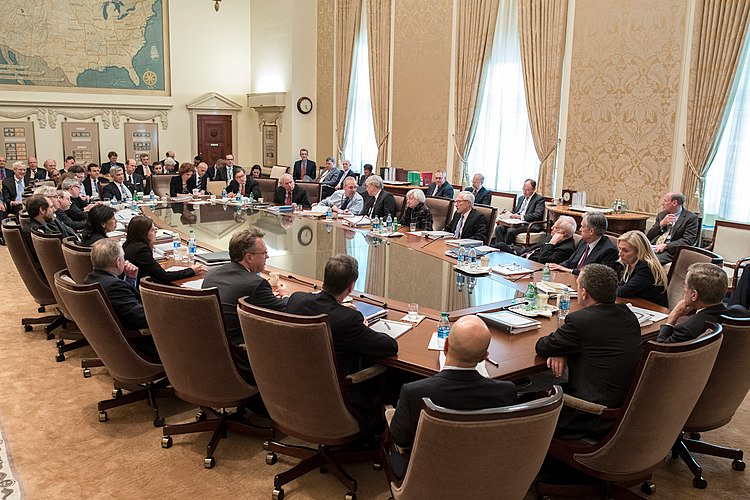
Each year, the FOMC holds 8 regular meetings and can also hold emergency meetings at any time if there are changes or shifts in the economy that require immediate attention.
Key Results of the Meeting
One of the key outcomes of an FOMC meeting is the release of summary statements and policy decisions that address specific issues. The meeting minutes are published three weeks after the meeting, and a full audio recording of the meetings is made available five years later.
Location
The main venue for important FOMC meetings is Washington, D.C. In the case of emergency or special meetings, they may be held via phone or video conference. Each meeting typically lasts 1 to 2 days.
Meeting Content
The main focus of the FOMC meetings is discussing the federal funds rate, which is the interest rate applied by banks on overnight loans in the interbank market. The rate set by the FED serves as a benchmark in the market, and any changes in the FED’s rate will affect lending rates between banks, overnight loans, bonds, and mortgages. Generally, when the interest rate changes, the economy adjusts accordingly. High-interest rates tend to slow down economic growth, while lower interest rates can lead to rapid economic expansion.
Requirements Before the Meeting
To ensure a complete and thorough roundtable discussion, participants in the meeting must prepare carefully by gathering financial, political, and social data from several weeks prior. Specifically, two weeks before the meeting, the regional branches will release the Beige Book, which contains reports on the local economic situation and any changes. The regional presidents will also meet with local business leaders from various industries to gather insights. They will then compile and present this information in a concise and clear manner during the meeting.
Discussion During the Meeting
During the FOMC meeting, members take turns presenting information and expressing their views on current economic and financial issues. These perspectives will be heard, discussed, and analyzed by other members. At the end of the meeting, the FOMC Chairman will summarize the discussions into a proposal for action and a draft statement explaining the FED’s decision. The committee will then approve the official minutes of the Federal Open Market Committee’s meeting.
Composition of the FOMC
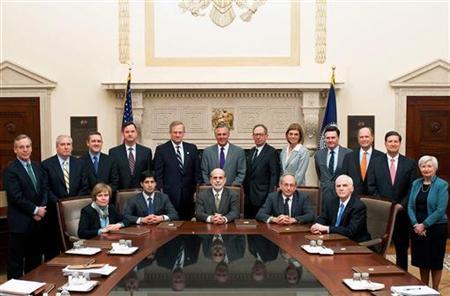
To understand the structure and functioning of the FOMC, it’s important to explore its organizational framework. According to U.S. law, the FOMC has the authority to determine its own structure and operations, and no external organization can request or mandate changes to any personnel within this body.
The FOMC consists of 7 members of the Board of Governors and 5 voting members selected from the 12 regional bank presidents. While all 12 regional bank presidents have the right to attend the FOMC meetings, only 5 out of the 12 have voting rights to make final decisions.
As a tradition, the Chairman of the FOMC is the Chairman of the Board of Governors, while the Vice Chairman is the President of the Federal Reserve Bank of New York. The remaining four members are selected from the Federal Reserve Bank Presidents, and their roles rotate on a one-year term basis.
Functions of the FOMC
The Main Objective of the FED is the Main Goal of the FOMC
Through the FOMC to shape monetary policy, the FED has the main objectives of:
- Price stability
- Increasing employment opportunities in the labor market
The FOMC implements the FED’s policy by adjusting or changing short-term interest rates and responding to complex economic developments. The FED has the authority to increase or decrease the amount of dollars issued based on the decisions made by FOMC meetings. Therefore, the decisions of the FOMC not only impact the credit and interest rates that businesses and consumers must pay but also influence economic growth, short-term labor market decisions, and pricing decisions in the long-term market.
Main Functions of the FOMC
- Reducing Inflation: By using expansionary monetary policy, thereby increasing the value of money. At this point, the FOMC decides on money supply, and the FED prints dollars to buy bonds, thus keeping the money in the hands of the public. Simply put, buying bonds on the open market of the FED increases the money supply capability.
- Managing Money Supply: The FOMC performs this function when an economic crisis occurs to provide monetary support, thus stabilizing the financial system during periods of poor payment and impractical liquidity.
- Adjusting Interest Rates: The FOMC sets a target for the interest rates, which is the rate that banks charge for overnight loans, also known as the FED funds rate. Banks use these loans to ensure they meet the FED’s reserve requirements and can either keep these reserves at local Federal Reserve Banks or hold them in cash in their own vaults.
Are the News Released by the FOMC Important?
As mentioned earlier, the decisions made after each FOMC meeting are extremely important as they can change the entire domestic economy and financial landscape. Moreover, the news that the FOMC releases is particularly attractive to financial investors and banks because it directly affects the money invested in their bank accounts.
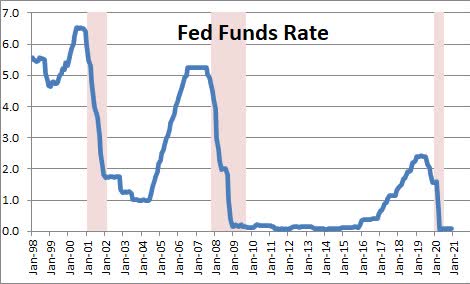
In addition, the main purpose of the FOMC meetings is to adjust and review changes to the interest rates set by the FED. As we have mentioned, the FED’s interest rate is generally the most standardized rate in the market, and when it changes, it not only affects the economy but also influences loans, government bonds, or collateralized loans, among others.
In order to specify the short-term objectives for the FED’s open market operations, this committee will implement the most accurate monetary policies. The FOMC also has the authority to coordinate open market operations in the foreign exchange market – a market in which the Treasury Department must participate and manage.
When Are FOMC Meeting Minutes Released?
After each FOMC meeting, the minutes will provide a full listing of the meeting details, including the discussions that took place, and they are released two weeks afterward. These minutes will include the opinions, viewpoints, and insights of the members, along with their positions and perspectives on monetary policy. These are the pieces of information that financial investors should monitor and understand in order to develop future trading opportunities.

Currency Pairs Affected by FOMC Meeting Minutes
Just like the FED’s interest rate decisions, the FOMC meeting minutes play a significant role in guiding and developing financial markets, and they have a profound impact on global currency indices.
Comparing NonFarm and FOMC: Which News Causes More Market Volatility?
When learning what FOMC is, here is a comparison between FOMC and NonFarm for the market. Both NonFarm data and FOMC news are major market-moving reports that cause substantial volatility in the financial markets. These are key tasks that the FED oversees: maximizing employment and ensuring price stability.
| FOMC Federal Open Market Committee | Non-farm payrolls US Non Farm | |
| Time happens | 1 AM or 2 AM on Thursday (Vietnam time, every 6 weeks) | 7:30 p.m. or 8:30 p.m. Vietnam time. |
| How does the price run? | Strong volatility, moving up to several hundred pips | Strong fluctuations up to several hundred pips. |
| How does it impact the market? | The market only moves significantly when the FOMC announces interest rates | The market runs immediately when the news breaks out. |
| How did the market fluctuate after the news came out? | The market is priced in over a long period, not just at the time of the announcement | Short-term impact on interest rates, sometimes the price will return to its original position when the news ends. |
Based on the results announced by FOMC, the currency market, especially the USD, will experience significant volatility and changes. Notably, currency pairs such as EUR/USD, AUD/USD, GBP/USD, and Gold (XAU/USD) are highly affected.
We hope that the information we have provided above helps you understand the concept of FOMC and its important influence on the national economy and financial markets. By keeping up with FOMC updates, you will gain sharper insights and better opportunities to enter the financial investment market – a lucrative field for fast money-making.
- t.me/finance_solutes
- Website: https://finance-solutes.com
- Hotline: +1 929 5636 439 ( Hotline )
- 26 Broadway, Suite 934, New York, 10004, US
