
 XM
XM Bybit
Bybit Binance
 Robinhood
 Webull
 IC Markets
 Pepperstone
 OKX
OKX Vantage
 VT Markets
 BingX
BingX Gate.io
 Kucoin
 MEXC
MEXC Exness
 Bitget
What is Cosmos? Dubbed the “Internet of Blockchains”, what is Cosmos ATOM? How does Cosmos work? And why should you invest in Cosmos Network or ATOM coin? All these questions and concerns will be thoroughly and comprehensively answered in today’s article.
1. WHAT IS COSMOS?
Before understanding what Cosmos means in blockchain, it’s worth noting that Cosmos is also the English name for the Mexican aster flower. In the blockchain world, Cosmos refers to a decentralized ecosystem project designed to enable different blockchains to connect and share data using open-source tools, streamlining transactions between them.
Each independent blockchain created within Cosmos Zone is then linked to the Cosmos Hub. To explain briefly, the Cosmos Hub is the first blockchain launched on the Cosmos Network, responsible for maintaining state records of each Zone and vice versa.
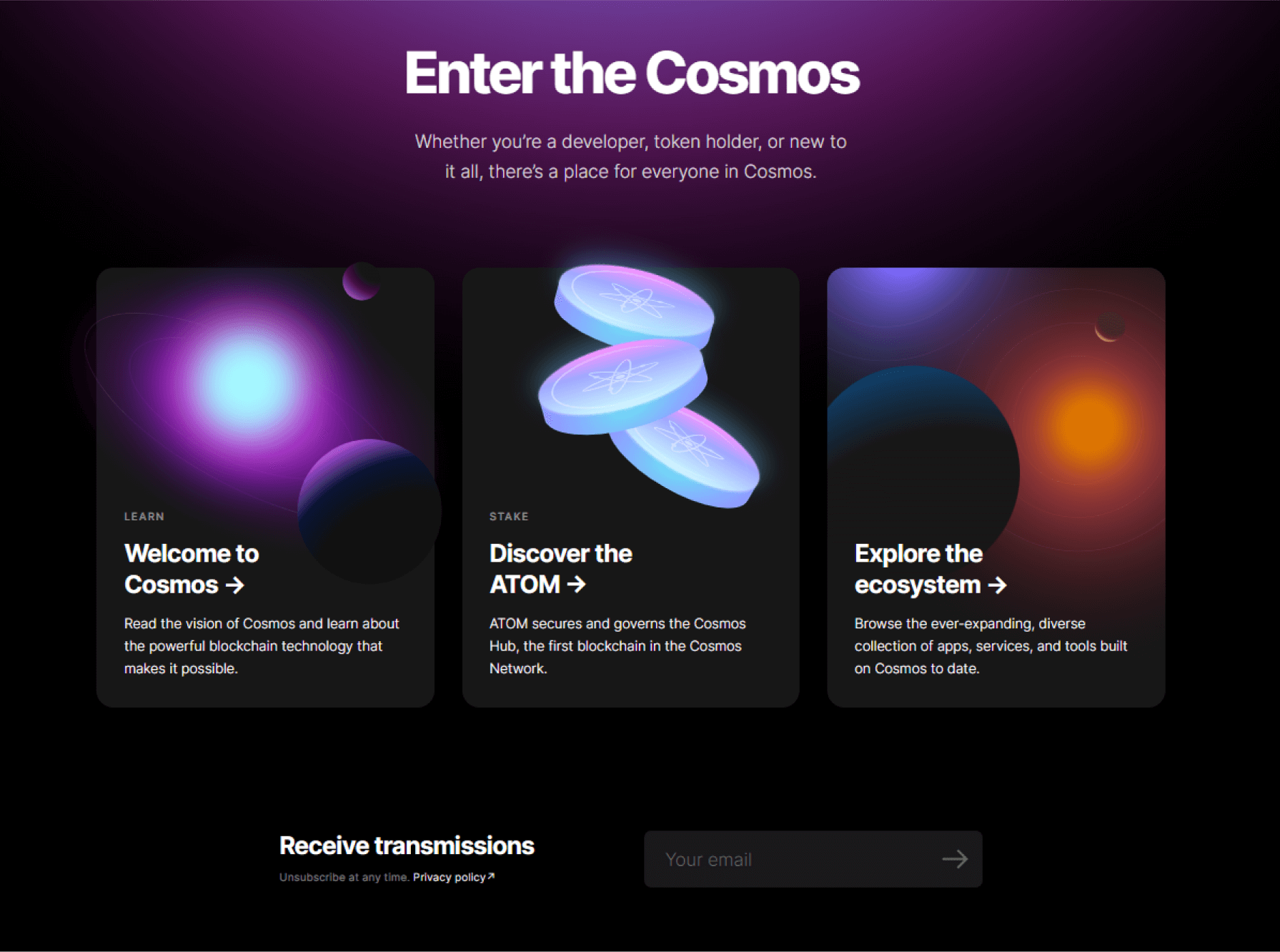
Projects launched on the Cosmos Network facilitate seamless token exchanges, eliminating unnecessary complications. The Cosmos network acts as a solution that allows different blockchains to operate and develop efficiently, enabling interoperability between chains without compromising their individual sovereignty.
1.1. Why is Cosmos ATOM called the “Internet of Blockchains”?
When searching for “What is Cosmos?” or “Cosmos project” on Google, you’ll find the Cosmos Network homepage introducing it as the “Internet of Blockchains.” Why is that? Simply put, Cosmos was designed to solve major challenges that have existed in blockchain technology since its early days, including:
- Scalability
- Interoperability
- Usability
- Sovereignty
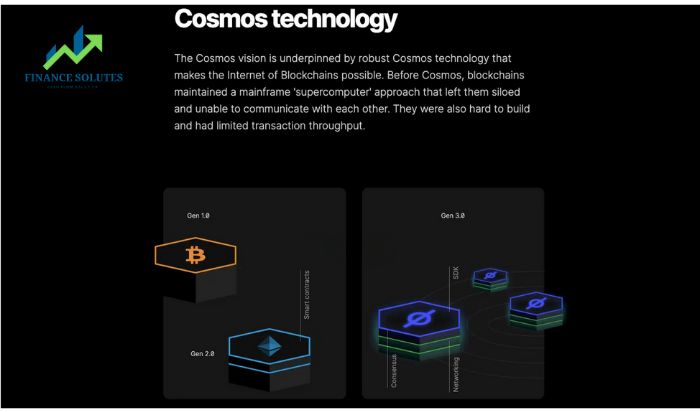
The development team behind this project has worked to continuously add more chains to the Cosmos Hub with functions designed to complement the network. As a result, Cosmos Network has become a massive network connecting different blockchains and enabling them to exchange data with each other. Similar to the concept of the “Internet of Things”, Cosmos Network helps blockchains connect and automatically perform data exchange transactions. Instead of engaging in a competition over platform rights or usability, the Cosmos ecosystem is built to bring them together, allowing them to interact and exchange with each other.
1.2. Cosmos Network Structure
The Cosmos Network is composed of three layers:
- Application Layer – Handles transactions and updates the network state.
- Networking Layer – Allows blockchains to connect and interact with each other.
- Proof of Stake Consensus Mechanism – Enables nodes to validate the current state of the system and authenticate transactions.
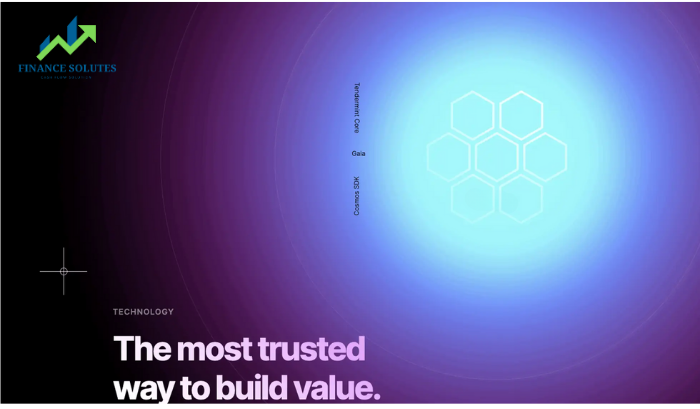
The three layers of the Cosmos Network need to connect with each other for the blockchains and layers to operate in parallel. As mentioned earlier, this structure works thanks to open-source tools. So, what are the open-source tools in the Cosmos network? The open-source toolset includes: IBC, Tendermint Core, and Cosmos SDK.
1.2.1. Inter-Blockchain Communication (IBC) Protocol
As mentioned earlier, the Cosmos network consists of independent blockchains connected to the Cosmos Hub. The Inter-Blockchain Communication (IBC) protocol is the method that allows these blockchains to connect with each other.
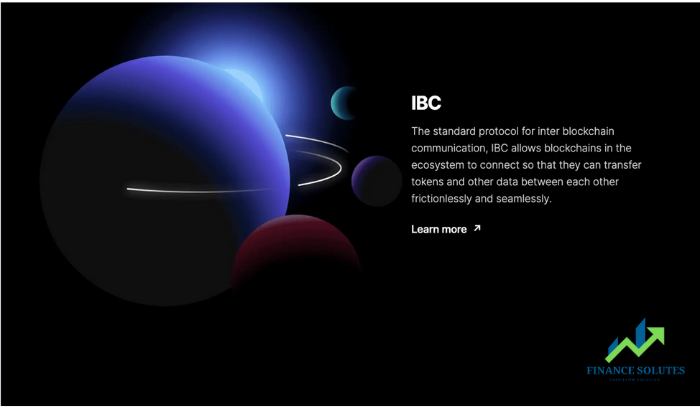
IBC allows data to be transferred freely and securely between different Cosmos Zones. When a Cosmos Zone is connected to the Cosmos Hub, it gains the ability to interact with other Zones. This means that even applications or validators with different consensus mechanisms can still connect and exchange data.
1.2.2. Tendermint Byzantine Fault Tolerance (BFT) Consensus Algorithm
Tendermint BFT enables blockchain developers on the Cosmos network to avoid the need to code their systems from scratch. The Tendermint Byzantine Fault Tolerance consensus algorithm is a PoS consensus mechanism that helps maintain synchronization across distributed computers running on the Cosmos Hub network.
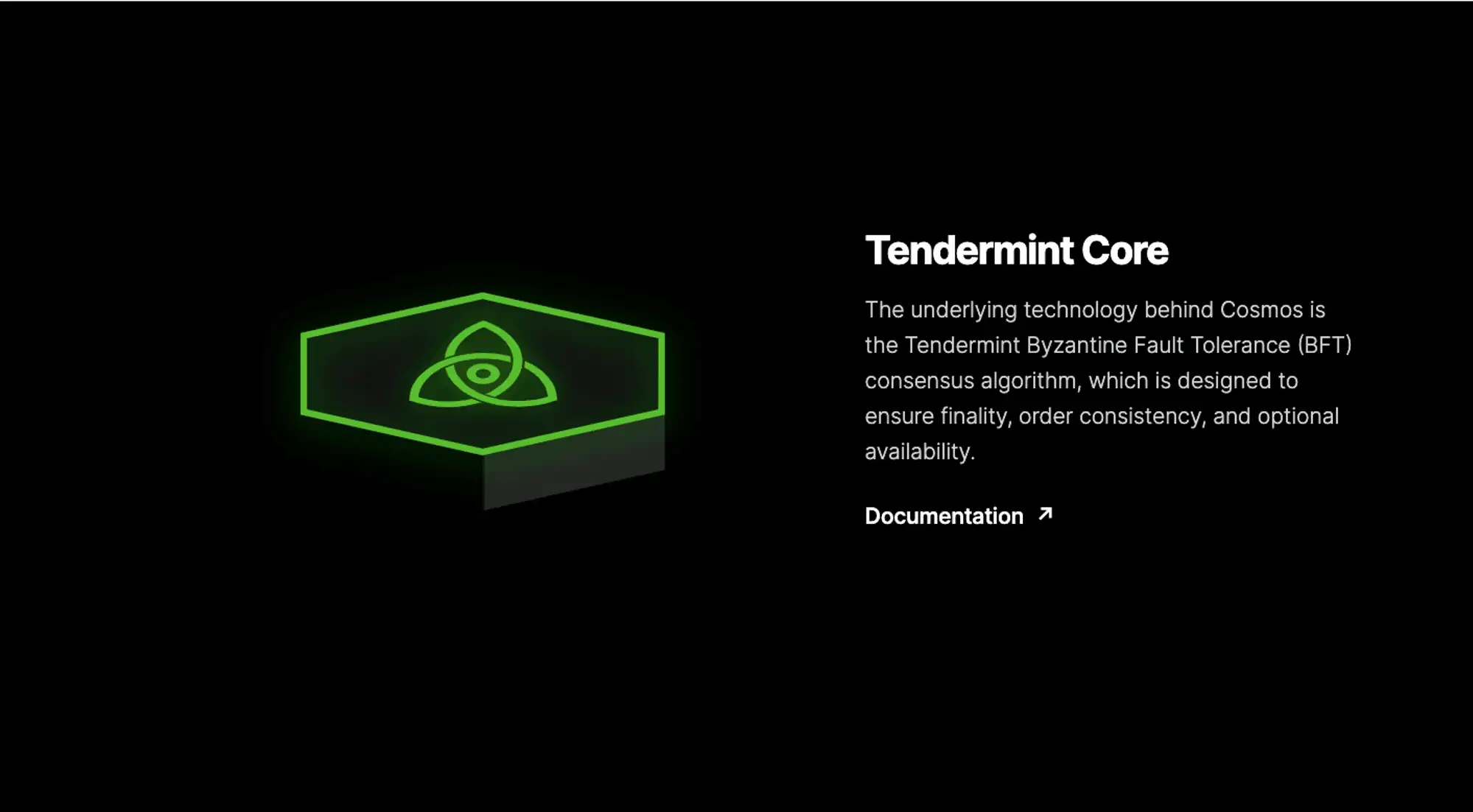
At the core of this powerful blockchain is Tendermint Core, with the Proof of Stake consensus mechanism managing the large network of validators (nodes). When changes and upgrades are proposed, they must receive consensus from these validators. Depending on the number of ATOM tokens you stake, it will influence your ability to become a validator.
1.2.3. What is Cosmos SDK?
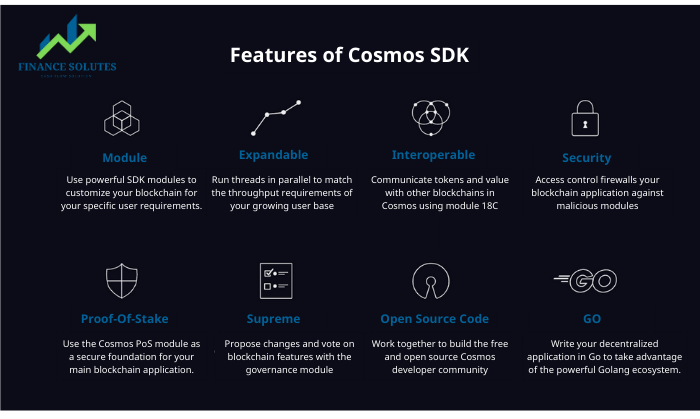
SDK stands for Software Development Kit, which refers to a set of tools for software development. Cosmos SDK supports developers by providing essential tools, such as the Tendermint BFT Engine and Tendermint Core.
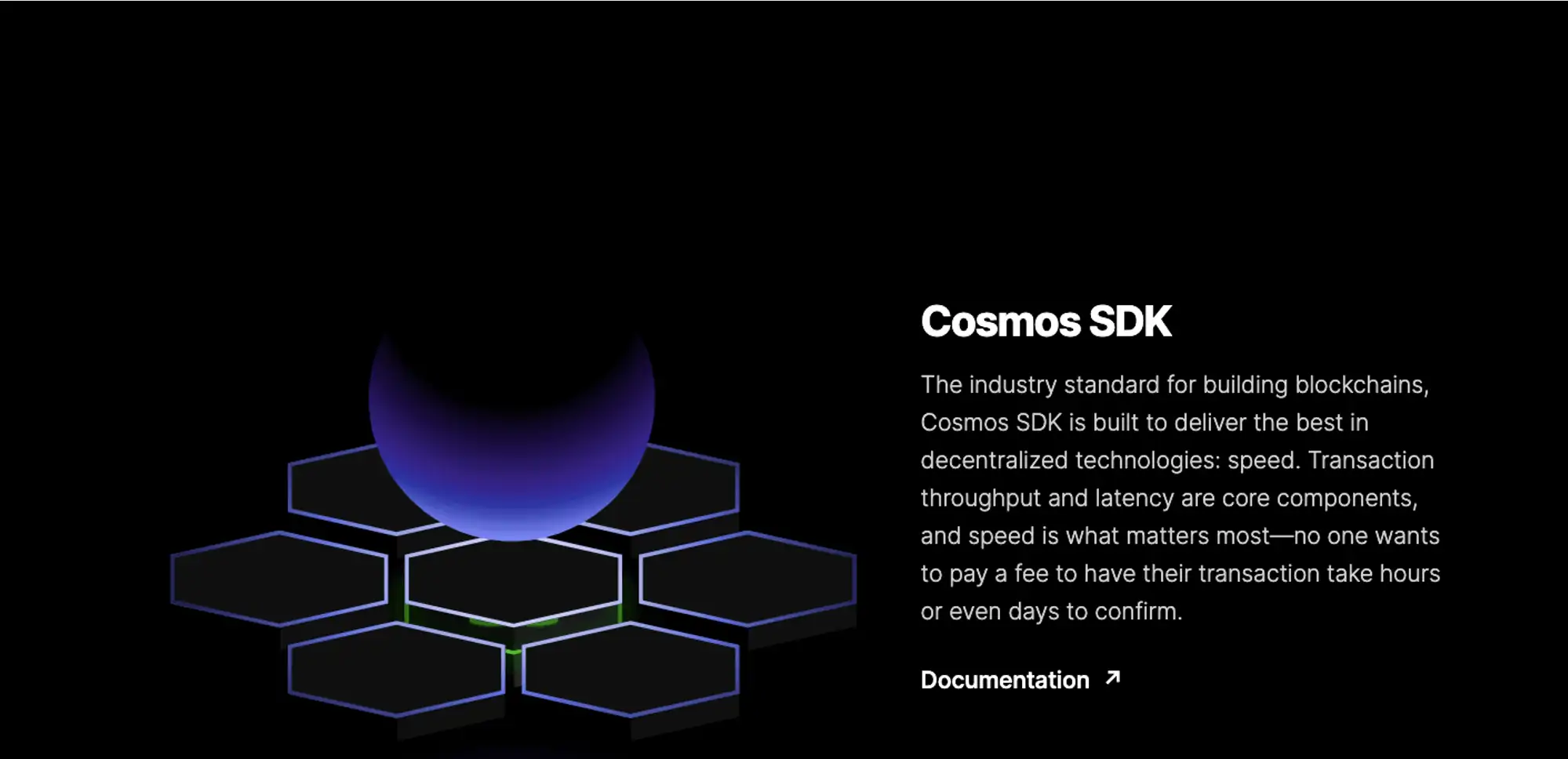
Cosmos SDK is designed to simplify the process of creating secure blockchain applications on Tendermint. It is simplified to the point that the entire process will not be more difficult than coding a few models.
2. COSMOS ECOSYSTEM DEVELOPMENT TEAM AND INVESTORS
The investment fund backing the Cosmos Network is ICF (Interchain Foundation), a Swiss non-profit organization that funds open-source blockchain projects. Cosmos was officially founded in 2015 by two developers, Jae Kwon and Ethan Buchman. In 2014, Jae Kwon was the first to research Tendermint BFT in the PoS consensus mechanism.
By 2015, Ethan and Jae Kwon collaborated to research Tendermint. Thanks to winning the “Most Creative Project” at Shanghai Blockchain Week, Cosmos Network received support from ICF to sign a contract with Tendermint Inc to realize Cosmos. In 2020, Jae Kwon officially stepped down as CEO of Cosmos, and Peng Zhong became the CEO of Tendermint. However, he remains one of the chief architects of the network.
3. UPDATE COSMOS ROADMAP
The Cosmos project roadmap for 2022 will primarily focus on updating and upgrading features on the Cosmos Hub. These upgrades aim to introduce features like liquidity, economic security, usability, and participation.
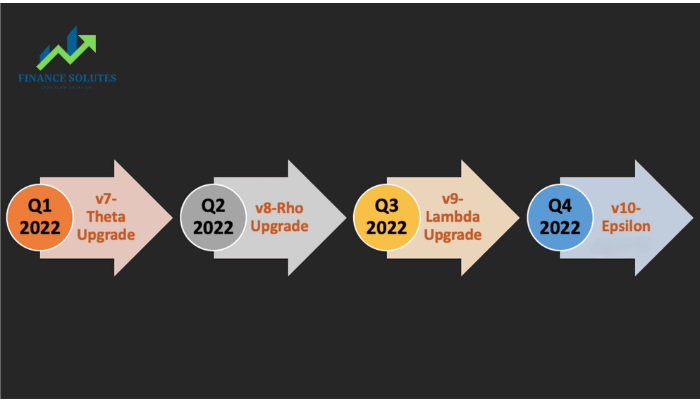
In 2022, each quarter will have a roadmap with different feature updates. To read and explore the Cosmos Roadmap in more detail, investors can refer to the Cosmos official website.
4.WHAT IS COSMOS COIN?
As with many blockchain projects, questions arise about whether Cosmos has a token, and if so, what is the Cosmos token? The native token of the Cosmos Blockchain is called ATOM. According to data from CoinMarketCap, there are currently more than 250 million ATOM tokens circulating in the market. What makes Cosmos Token unique is that they are not mined through minting but are instead rewarded through staking.
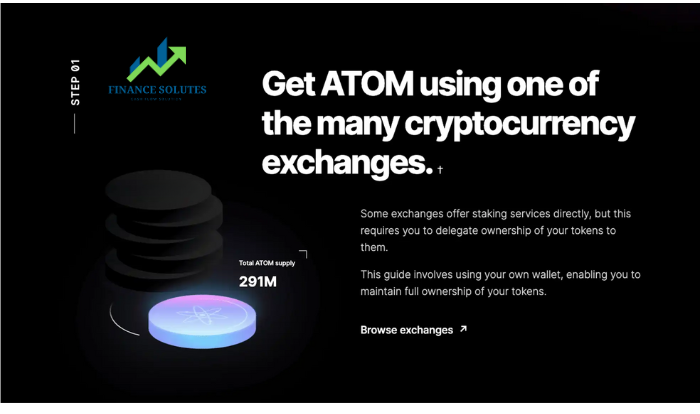
The Cosmos Event Private Sale took place in January 2019. In April 2019, the Cosmos ICO successfully raised $17.3 million. ATOM is used for staking and plays a role in the network governance. As of now, Cosmos coin has a market cap of nearly $8 million.
4.1. Cosmos Token Allocation
Cosmos ATOM was released according to the following allocation based on total supply:
- Seed Sale: 5.08%
- Strategic Sale: 7.03%
- Community Fundraising: 67.86%
- Tendermint: 10.03%
- Interchain Foundation: 10%
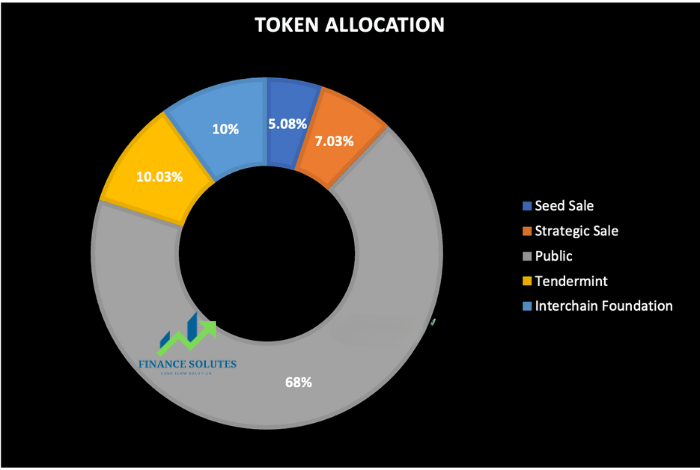
The Seed Sale round, also known as the Seed Round, sold 1 ATOM for $0.025 USD, raising $300,000 by selling 12 million tokens. In the Strategic Sale round, 1 ATOM was sold for $0.08 USD.
4.2. How to buy and sell ATOM coin
Not only has the Cosmos Network project received much attention, but the Cosmos ATOM token has also attracted the interest of the community. The token of this blockchain is listed on many leading cryptocurrency exchanges such as Binance, Coinbase, OKEX, and others. You can buy and sell Cosmos Coin on these exchanges. Tradafx also has an article evaluating the top cryptocurrency exchanges, which you can read if you’re unsure which exchange to choose.
4.3. Where to store cosmos Ttokens?
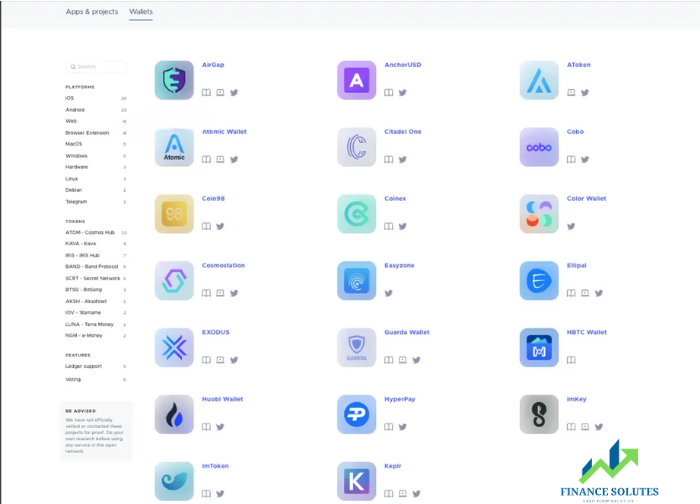
The Cosmos ecosystem includes not only applications and Cosmos NFT games but also Cosmos Wallet. These mobile and web wallets, maintained by the community, allow you to store and transfer ATOM, delegate ATOM to validators, and vote on governance proposals on the blockchain. Currently, there are around 35 types of wallets supporting the Cosmos network where you can store Cosmos ATOM, including well-known wallets like Coin 98, Trust Wallet, Huobi Wallet, and more.
5. EVALUATING THE COSMOS ATOM PROJECT
First, let’s evaluate the Cosmos project. This is a highly promising project for the future of the Blockchain industry. Cosmos has integrated validation processing hubs to make them work together using the Proof of Stake consensus mechanism. It is a combination of Cosmos Zones and Cosmos Hub that are interconnected, exchanging data with each other while operating completely independently. The Cosmos Hub plays a central role in the Cosmos Network, ensuring their operation on the Tendermint algorithm.
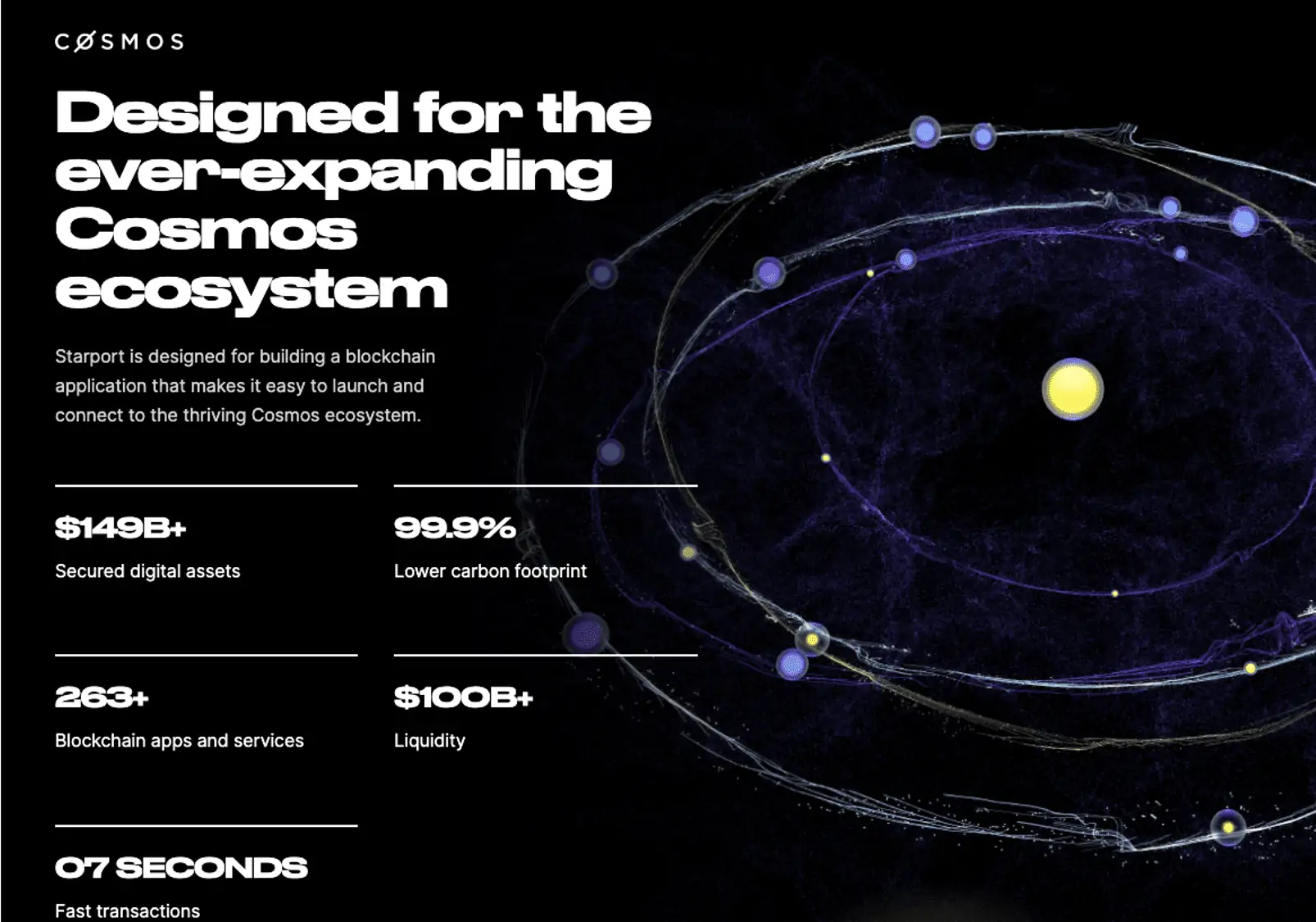
As mentioned in the What is Cosmos section, the problem that blockchain is subject to is the connection between individual parts of the blockchain. This will cause difficulties in exchanging assets as well as transactions. And Cosmos Network has done that very well. So what is the assessment of the Cosmos token? The project’s potential alone has created a lot of traders eager to invest in Cosmos ATOM. No transaction processing only, users can fully profit from staking ATOM. Furthermore, the Cosmos ecosystem currently has more than 255 applications operating on its network and in the future this number will continue to increase. Therefore, the potential of Cosmos Network is probably also very promising in the future.
6. CONCLUSION
Not only in this article about What is Cosmos, but also in other articles about coins, tradafx always reminds that the cryptocurrency market is highly volatile. This means that participants in this market can earn massive profits but also face unexpected losses.
The information provided today about the Cosmos Network project and the Cosmos ecosystem gives you only basic knowledge about Cosmos and Cosmos Token. This article is for educational purposes and should not be considered as investment advice in any cryptocurrency.
- t.me/finance_solutes
- Website: https://finance-solutes.com
- Hotline: +1 929 5636 439 ( Hotline )
- 26 Broadway, Suite 934, New York, 10004, US
