
 XM
XM Bybit
Bybit Binance
 Robinhood
 Webull
 IC Markets
 Pepperstone
 OKX
OKX Vantage
 VT Markets
 BingX
BingX Gate.io
 Kucoin
 MEXC
MEXC Exness
 Bitget
The idea of a new “Mar-a-Lago Agreement“—a modern counterpart to the 1985 Plaza Accord—has sparked discussions in financial circles. Some analysts speculate that such a move could be aimed at devaluing the U.S. dollar to reshape global finance and trade.
1. Skepticism from Mainstream Economists
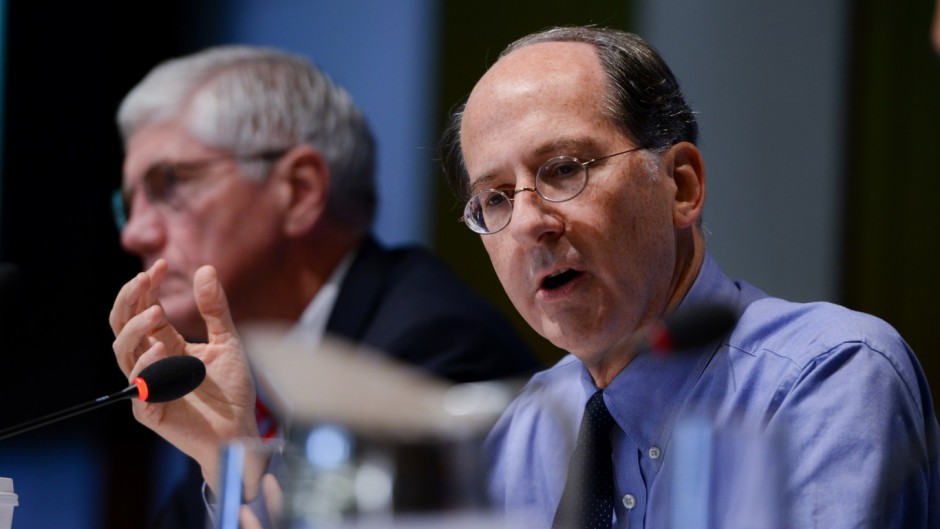
Most mainstream economists dismiss this idea as unrealistic. Mark Sobel, a former U.S. Treasury official, diplomatically called it “far-fetched and implausible.”
Several key obstacles make this scenario unlikely:
- Contradiction with Free Market Principles – Joint currency interventions conflict with the principles of free markets and have fallen out of favor in recent years.
- Need for Reliable Allies – History shows that currency interventions work best with trusted allies, as seen in the Plaza Accord. However, current French leadership has shown resistance to Washington’s financial requests, and China could be even more combative.
- Tariffs Strengthening the Dollar – Trump’s former Treasury official Scott Bessent stated that two-thirds of the impact of tariffs usually manifests as currency appreciation, making devaluation counterproductive.
- Political and Economic Backlash – If tariffs lead to a stock market crash or a recession—which seems likely—there could be strong populist resistance, potentially tempering Trump’s ambitions.
2. A Different Perspective from Trump’s Team
Despite these challenges, dismissing the idea of a Mar-a-Lago Agreement might be premature. Trump’s economic team operates with a distinct philosophy that diverges from recent mainstream policies, interpreting these four concerns differently.
2.1. Policy Interventions as a Necessity
Trump’s advisors view financial interventions not as outdated but as essential for reshaping global finance and trade. Stephen Miran, Trump’s pick for Chairman of the Council of Economic Advisers, has argued for such an approach in key policy discussions.
2.2. Preparedness for Economic Pain
Not all of Trump’s advisors fear a market downturn or recession. In fact, they anticipated economic discomfort from tariffs early in his term. Some even see a potential upside: a recession could force other nations to negotiate more quickly and push the Federal Reserve to lower interest rates. Additionally, lower asset prices could counteract financialization issues plaguing the U.S. economy, particularly if a weaker dollar strengthens industry.
2.3. Mitigating Dollar Appreciation
Miran acknowledges that tariffs may initially strengthen the dollar, but he believes Washington can offset this. The Mar-a-Lago concept extends beyond currency policy—it includes strategies where other nations might be “encouraged” to swap their dollar holdings, short-term Treasuries, or even gold for long-term or perpetual dollar bonds, which the Federal Reserve could then repurchase.
This approach, some argue, could ease financial pressures on the U.S. while maintaining the dominance of the dollar-based financial system—allowing for devaluation while preserving U.S. monetary power. As Bessent said last year, devaluation and dollar dominance are not “mutually exclusive.”
2.4. Forcing Compliance from Allies
Even if Trump’s actions alienate allies, his advisors believe he can force compliance through tariff shocks and other threats. Specifically, Bessent suggested Trump could categorize nations into “red,” “green,” and “yellow” groups—denoting enemies, friends, or neutral parties.
- “Green” countries would receive military protection and tariff reductions but must accept currency agreements.
- “Yellow” or “Red” nations might face different trade arrangements.
- The plan might unfold in two phases: first with allies, then with other countries.
Conclusion
Whether the Mar-a-Lago Agreement materializes remains uncertain. However, Trump’s economic team follows a strategic vision rather than acting on impulse. The current trade and financial disruptions may signal a larger economic maneuver in the making. Investors should stay alert for further developments.
- t.me/finance_solutes
- Website: https://finance-solutes.com
- Hotline: +1 929 5636 439 ( Hotline )
- 26 Broadway, Suite 934, New York, 10004, US
