
 XM
XM Bybit
Bybit Binance
 Robinhood
 Webull
 IC Markets
 Pepperstone
 OKX
OKX Vantage
 VT Markets
 BingX
BingX Gate.io
 Kucoin
 MEXC
MEXC Exness
 Bitget
For thousands of years, gold has been praised for its beauty and economic value. At the same time, it has become one of the most popular safe-haven assets. Today’s article will delve into the concept of what gold is as well as the factors that can affect the price of gold in the market.
1. WHAT IS GOLD?
Gold is a precious metal whose allure has never faded over time. It has industrial applications in electronics and computers and has long been used as a key component in jewelry making. Gold has always served as a monetary tool and a safe-haven asset. The reason is that gold tends to maintain or increase its value during times of market uncertainty.
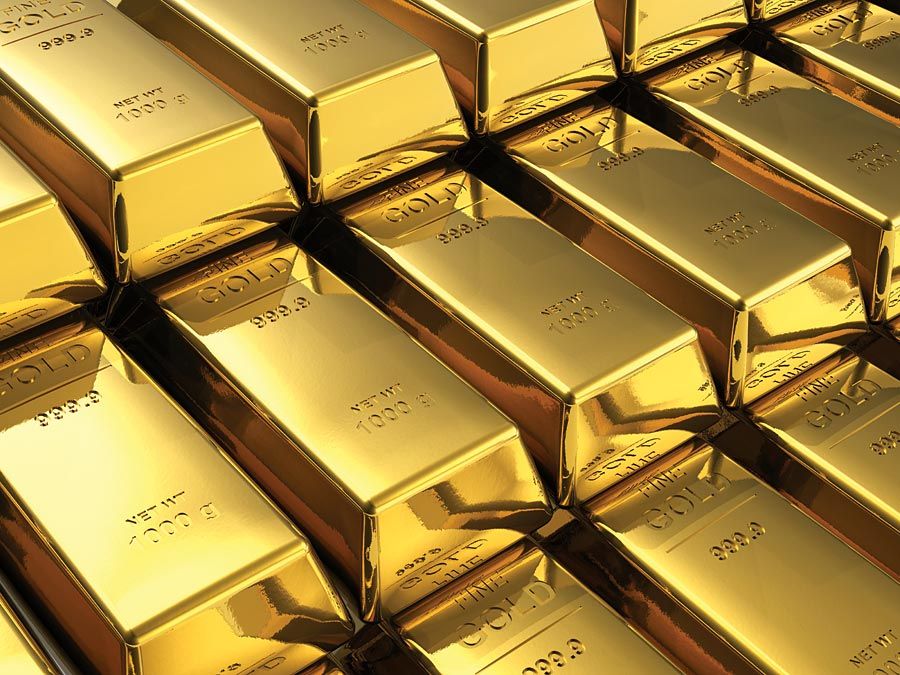
It represented the currency of some of the world’s most renowned civilizations, such as Ancient Egypt and the Roman Empire. More recently, from the late 19th century until the outbreak of World War I, the value of currency was tied to a specific amount of gold.
Starting from the end of World War II, most of the world’s largest economies operated under a financial system based on a fixed gold price, pegged to the U.S. dollar. This ended in 1971 when the United States decided to stop linking the dollar to commodities.
Although gold no longer functions as official currency, its price remains a major factor influencing financial markets and the global economy.
2. FACTORS AFFECTING GOLD PRICES
In ancient times, gold was highly coveted for its unique beauty and rarity, making it a desirable commodity and a symbol of wealth.
Over time, the gold standard was accepted as a form of global currency. Even though fixed-value monetary systems have since replaced it, gold has continued to retain its intrinsic and economic value. This is why it has become a popular investment in financial markets. Factors affecting gold prices include:
2.1. Supply and Demand
Like most commodities, gold is subject to supply and demand. However, gold almost always remains in demand, whether for jewelry, industrial applications, or as a safe-haven currency.
Several key characteristics contribute to gold’s appeal, including its scarcity, malleability, and resistance to corrosion. These qualities make it a versatile metal with multiple uses. Nevertheless, the primary driver of gold demand is its ability to retain value during times of financial uncertainty.
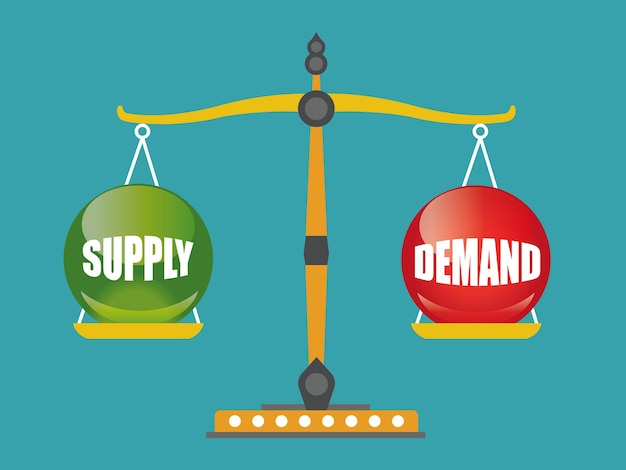
During economic downturns, the demand for gold often rises as a hedge against inflation. This solidifies gold’s reputation as a safe haven during times of economic uncertainty. On the supply side, once gold is mined and refined, it remains in circulation due to its resistance to corrosion. It is transformed into bullion, coins, jewelry, and more.
2.2. Central Banks
Unlike paper money, gold is a physical commodity that carries no default risk and isn’t influenced by government policies. In times of economic turmoil, such as financial crises or political instability, central banks may intervene by cutting interest rates or printing more money. This can lead to higher inflation and a decrease in the value of fiat currencies.
While inflation erodes the purchasing power of paper money, gold retains its value, making it a popular investment during such periods. Additionally, if central banks suddenly increase or decrease their gold holdings — even slightly — it can have a significant impact on gold prices. As a result, central banks follow a shared (albeit unofficial) understanding to avoid large-scale unilateral gold transactions that could destabilize the global market.
2.3. The U.S. Dollar
Since gold is predominantly traded against the U.S. dollar, currency fluctuations are one of the most direct factors influencing its price. A stronger dollar makes gold more expensive for other countries to purchase, leading to a drop in demand and, consequently, lower gold prices. Conversely, a weaker dollar typically boosts gold prices. However, market sentiment plays a crucial role in the inverse relationship between gold and the greenback.
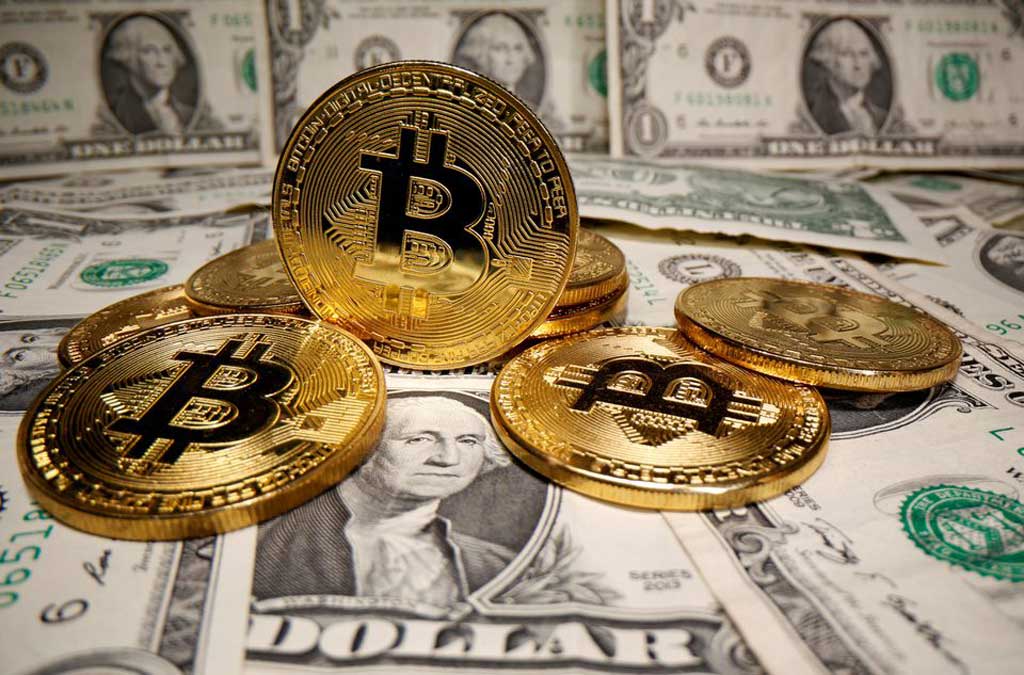
During economic downturns or periods of increased market volatility, demand for currencies and stocks may decline as investors seek safer assets like gold, which holds intrinsic value.
3. HOW GOLD AFFECTS CURRENCIES
When it comes to the relationship between gold and currencies, its correlation with the U.S. dollar is the most notable. This is because the U.S. dollar remains the benchmark pricing mechanism for gold. When the value of the USD rises, gold becomes more expensive for other countries to purchase.
Ultimately, this reduces demand, which is why gold prices generally have an inverse relationship with the U.S. dollar. Furthermore, when the dollar starts to depreciate, investors often turn to gold as a safe-haven alternative, driving its price higher.
The chart below illustrates the inverse relationship between the U.S. Dollar Index (DXY) and gold:
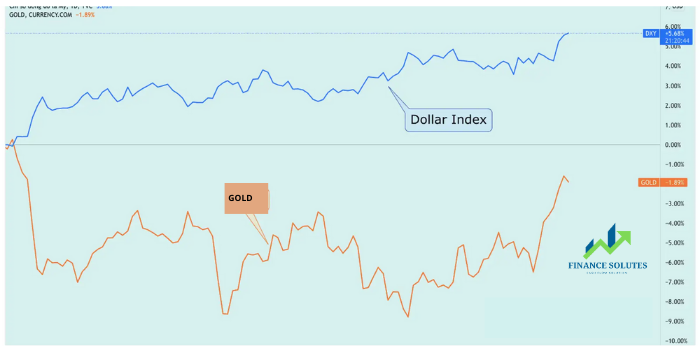
In addition, the value of gold is also linked to a country’s import and export value. Countries that export gold or have access to gold reserves will see their currency strengthen when gold prices rise, as the total export value of these nations increases.
4. GOLD INVESTMENT GUIDELINES
Gold can be purchased as a physical asset, traded using futures contracts and options on the commodities market, or traded through an exchange-traded fund (ETF).
When it comes to trading gold, price action is influenced by various factors. This includes trading sentiment as well as the combination of technical and fundamental analysis. Although there are many types of strategies, a comprehensive strategy that integrates these three forms of analysis can offer the best benefits for traders.
4.1. Technical Analysis
The process of technical analysis involves identifying candlestick patterns on charts. Using price action and technical indicators as a guide will help you determine current market conditions, past trends, and possible future movements.
Identifying trend lines may sound simple. However, deciding on the appropriate timeframe can be a challenging task. Day traders often use short-term charts to identify potential entry and exit signals, but there are benefits to multi-timeframe analysis, which includes analyzing both long-term and short-term charts.
For beginner traders, there are four effective trading indicators. These are the Moving Average (MA), Relative Strength Index (RSI), Moving Average Convergence/Divergence (MACD), and Stochastic.
Meanwhile, experienced gold traders often use more complex tools; for example, Fibonacci retracement or Elliott Wave Theory, combined with other indicators.
Let’s take a look at an example below:
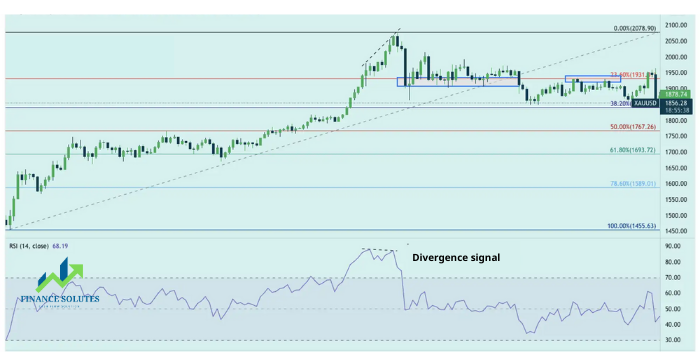
In the above chart, the Fibonacci retracement tool measures from the March 2020 low to the August 2020 high. Since retracing from this level, these retracement levels have formed support and resistance levels for price action, creating sideways movement zones. This has somewhat transitioned market conditions from a trending state to a range-bound trading state.
By adding the RSI indicator, traders can identify potential signals as shown in the example above. When RSI is above 70, the market is considered overbought. In the chart, when the price created a new high, the RSI indicator showed a lower high, giving a divergence signal that indicated a potential selling opportunity.
4.2. Fundamental Analysis
While technical analysis focuses on chart patterns, assuming that everything has already been priced in and accounted for, fundamental analysis believes that economic events are the primary drivers of price action. Although not always inaccurate, during periods of recession or economic instability, policy changes tend to be discrete and often influence risk sentiment without prior warning.
Broadly speaking, when we talk about fundamental analysis, it involves assessing the economic health of a country or an economy. Data such as GDP, inflation, and interest rates are all part of the fundamentals. When investors are confident in the state of the economy, they are more likely to invest in riskier assets like stocks.
However, when interest rates are low, they lack confidence in the market. This is known as risk-off sentiment, where investors are more inclined to invest in gold, U.S. Treasuries, and other safe-haven assets.
5. CONCLUSION
Through this article, you’ve likely gained an understanding of what gold is and the strategies for trading gold. Traders often choose gold as an investment channel because:
- Gold is a safe-haven asset during times of economic uncertainty, as it tends to hold or increase in value.
- To take advantage of a weak U.S. dollar and hedge against inflation.
- To maintain a diversified portfolio that includes commodities, stocks, bonds, and more.
- t.me/finance_solutes
- Website: https://finance-solutes.com
- Hotline: +1 929 5636 439 ( Hotline )
- 26 Broadway, Suite 934, New York, 10004, US
