
 XM
XM Bybit
Bybit Binance
 Robinhood
 Webull
 IC Markets
 Pepperstone
 OKX
OKX Vantage
 VT Markets
 BingX
BingX Gate.io
 Kucoin
 MEXC
MEXC Exness
 Bitget
Not distinguishing between Intraday and Long Term is one of the most critical mistakes new traders make when entering the forex market. This mistake can lead to a serious consequence: a blown account due to a Margin Call.
Therefore, to continue the series of articles sharing knowledge about Forex — aimed at supporting newcomers in overcoming psychological challenges, trading weaknesses, and achieving more effective trades — today’s article will explore Intraday and Long Term trading, along with common mistakes traders often make.
Let’s get started!
1. INTRADAY – LONG TERM
1.1. What is Intraday Trading?
Intraday refers to same-day trading, meaning your positions are not held overnight; instead, you close your trades by the end of each trading session.
=> This helps you feel more relaxed and secure when trading forex.
As the name suggests, Intraday trading occurs on short timeframes; trades may be completed within a single session or may stretch slightly into the next, but they are always closed within the same day and never held overnight.
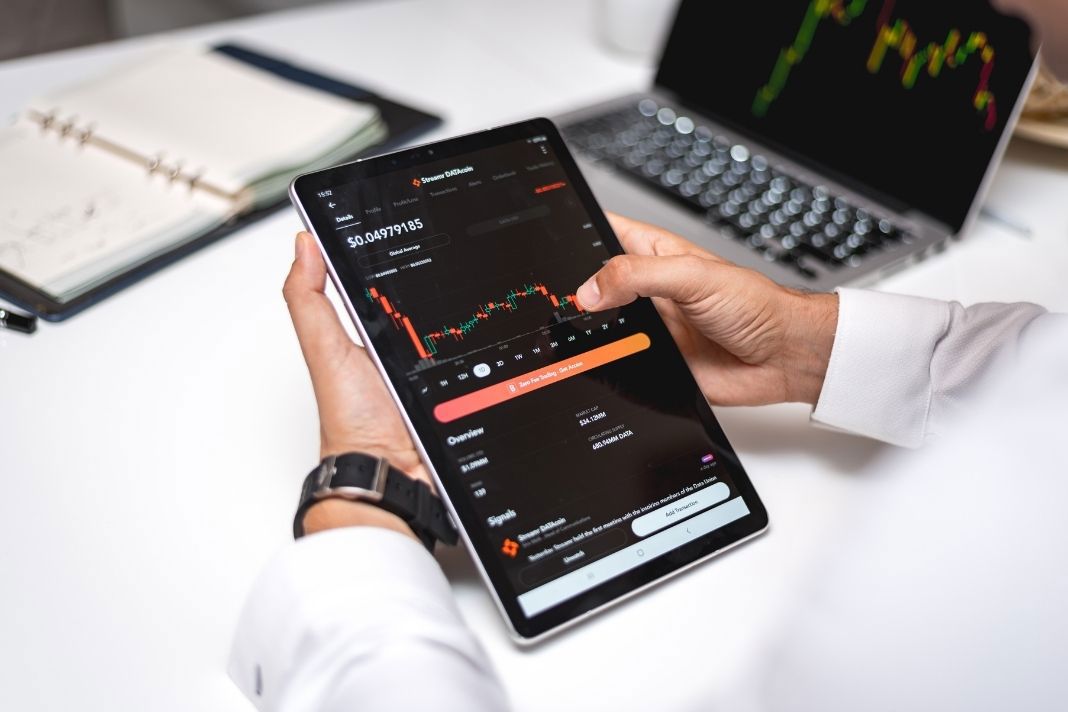
Therefore, you can manage your trading positions by the minute, by the hour, or even by the second, with the goal of capitalizing on rapid price fluctuations to make a profit.
Intraday trading primarily relies on technical analysis, and also depends on price action to help traders make decisions for each of their trades.
1.2.1. Types of Intraday Trading
| Scalping | High Frequency Trading (HFT) |
| This is one of the most widely used trading styles in the market due to its perceived safety. Traders who follow this method aim for significant profits, which means they must not overlook even the smallest market movements. | This is a trading method that uses powerful algorithms and computer programs to execute a large number of trades within a single second. In this type of trading, the faster you execute trades, the higher the potential for profit. |
1.2. What is Long Term Trading?
Long Term is a strategy based on a long-term trade plan. Typically, a long-term position is held for at least two weeks, and it can extend to several months.
Investors who use a Long Term strategy often combine both fundamental and technical analysis to assess market trends.
This trading style has a downside: you will incur significant swap fees (overnight fees) because positions are held for weeks to months. However, with commodity derivatives trading, you don’t have to pay these overnight fees or any additional costs, except for the transaction fees.
Moreover, when trading long term, you must be extremely patient in finding ideal entry points as the price moves — especially during sideways markets. Since in long-term trading, take-profit and stop-loss points are usually far from the entry, careless trade exits can cause significant losses to your account.
2. SHOULD YOU CHOOSE INTRADAY OR LONG TERM?
Another important point: don’t confuse the two trading styles above, as doing so can lead to unexpected consequences!
3. SUMMARY
To recap, in today’s lesson, you’ve learned:
– What is Intraday trading?
– What is Long Term trading?
– Should you choose Intraday or Long Term?
So, before placing any trades, you should clearly identify your goal — whether you aim to trade short term or long term — and from there, develop a forex trading plan that fits your own style.
WISHING YOU SUCCESS!
- t.me/finance_solutes
- Website: https://finance-solutes.com
- Hotline: +1 929 5636 439 ( Hotline )
- 26 Broadway, Suite 934, New York, 10004, US
