
 XM
XM Bybit
Bybit Binance
 Robinhood
 Webull
 IC Markets
 Pepperstone
 OKX
OKX Vantage
 VT Markets
 BingX
BingX Gate.io
 Kucoin
 MEXC
MEXC Exness
 Bitget
Ponzi Scheme – A term that isn’t too common, but when talking about multi-level marketing, pyramid schemes, … you might find it much more familiar.
Across newspapers and news broadcasts, there are warnings about signs of fraudulent investment schemes; especially in recent times, financial investment fraud models have been on the rise. A series of fraudulent models branded as investment or technology are mostly variants of the Ponzi scheme.
So, what is a Ponzi scheme? How does a Ponzi scheme operate? How can you avoid fraudulent platforms and Ponzi scheme variants? All these questions will be answered by Finance Solutes in today’s article about the Ponzi scheme.
1. WHAT IS A PONZI SCHEME?
A Ponzi scheme is considered one of the most famous types of fraudulent investment schemes. Essentially, a Ponzi scheme is a form of investment scam that promises high returns with low risk.
Investors are promised massive profits, and at first, it may seem successful and profitable. This initially attracts more gullible and greedy investors, lured by the large returns and low risks.
No one knows for sure when the first Ponzi scheme took place, but the basic method involves using money from new investors to pay returns to earlier investors.
1.2. “The Father of Multi-Level Marketing” – Who is Charles Ponzi?
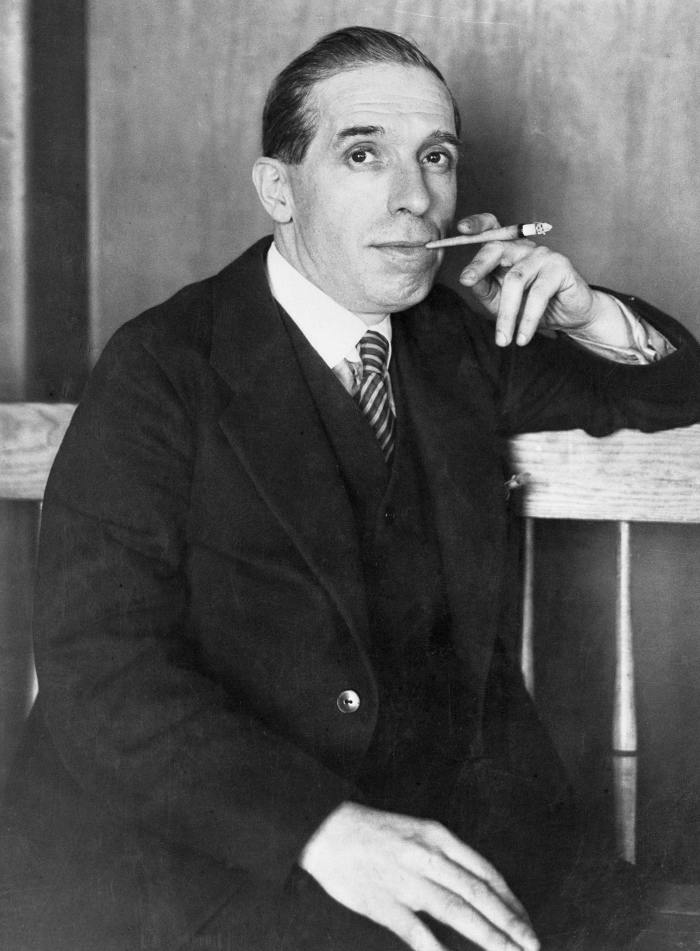
In the 1880s, reports of frauds like this started to emerge in the United States. However, the Ponzi scheme became truly famous thanks to Charles Ponzi, who is often referred to as the “father of multi-level marketing.”
Charles Ponzi was born in 1882 in Italy and immigrated to the United States in 1903. Ponzi had previously been imprisoned for check forgery. Later, Charles Ponzi happened to discover a loophole in the pricing of postal reply coupons.
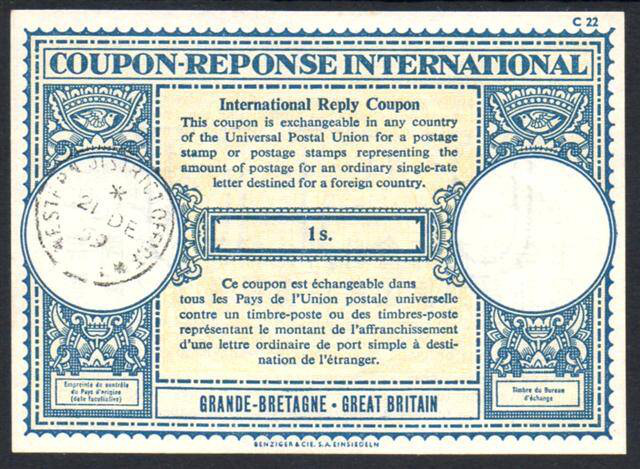
The price of postal reply coupons varied worldwide. However, Ponzi realized that he could buy something called “International Reply Coupons” at a much lower price.
Postal services allowed senders to purchase coupons in advance and place them in their letters. The recipient would take the coupon to their local post office and exchange it for the necessary airmail postage to send a reply.
Ponzi could exchange these international reply coupons for U.S. postage stamps, which were worth several times more.
At this point, it might seem like typical arbitrage—buying and selling for profit through price differences—but what makes Charles Ponzi the “father of multi-level marketing”?
1.3. The Ponzi Super Scam
To purchase large quantities of international reply coupons, Ponzi needed a significant amount of money. He sought investors from outside.
Ponzi devised his plan to quickly get rich. He told investors that he could double their money within three months by buying and selling international reply coupons. And of course, it was effective at first.
This opportunity immediately attracted many investors. Money flowed continuously, with investments reaching over a million dollars per week.
This scheme continued until August 1920, when the Boston Post began investigating and uncovered the truth—that there weren’t enough international reply coupons for Ponzi’s plan.
The truth was that Ponzi never actually invested in international reply coupons; he only paid the initial investors using the money he received from later investors.
As a result of the investigation, Ponzi was arrested by federal authorities in mid-August 1920 and was charged with postal fraud.
2. HOW A PONZI BUSINESS MODEL OPERATES
By now, you probably have an idea of how the Ponzi business model works.
The Ponzi model typically uses money from new investors to pay returns to earlier investors.
Those exploiting the Ponzi model often promise investors massive profits with minimal or no risk.
However, the fraudsters don’t invest the money into anything. Their goal is simply to pay returns to early investors to build trust and attract more “gullible” investors who seek profits without taking risks.
3. THE RISE OF THE PONZI SUPER SCAM
Although “the father of multi-level marketing” – Charles Ponzi – has been long gone, Ponzi schemes have become more common, and there are new variants of these models.
3.1. What is a Ponzi Multi-Level Marketing Model?
Reading about the operation of a Ponzi scheme, you might notice similarities to multi-level marketing (MLM) models, or modern pyramid schemes.
In essence, multi-level marketing abroad is considered legal. Businesses following an MLM model typically sell dietary supplements and operate under strict legal regulations.
However, in Vietnam today, this MLM model has mutated into a pyramid scheme.
Ponzi pyramid schemes exploit certain loopholes to operate with low-quality products. The profits for earlier investors come from the investments of new investors.

After gaining trust, those at the top of a Ponzi multi-level marketing model or a pyramid Ponzi scheme typically run off with the money, leaving behind the gullible investors who are shocked to find that they’ve lost a significant amount of money.
3.2. The Alibaba Ponzi Scheme – A Ponzi Variant Raising Over 2,500 Billion
Ponzi schemes have become increasingly common. Mentioning fraud schemes without talking about Bernie Madoff would be a huge oversight. The Bernie Madoff scandal in 2008 caused investors to lose approximately $19 billion.
Bernie Madoff was convicted of running a Ponzi scheme that falsified transaction reports to show that customers were making large profits when, in reality, no investments were made at all. The infamous fraudster Bernie Madoff passed away in prison in early April 2021.
In Vietnam, the most prominent variant of a Ponzi fraud scheme that most people are familiar with is the over 2,500 billion scam by the Alibaba real estate group.
Just like other mutated Ponzi fraud schemes, Alibaba capitalized on the greed of traders who wanted to profit without taking on any risk.
The customers in this case were land buyers not for personal use, but to buy and sell for profit.
With the “trick” of buying and selling fake projects that don’t actually exist, Alibaba successfully scammed over 6,700 customers, totaling more than 2,500 billion VND.
After Alibaba, a series of “ghost” real estate companies operating in the Ponzi scheme style were exposed and brought to light.
4. HOW TO IDENTIFY PONZI FRAUD MODELS
In this digital age, Ponzi schemes have evolved beyond just real estate; recently, they have surfaced with fake Forex platforms or cryptocurrency scams.
Understanding what a Ponzi Scheme is and recognizing the tricks used by scammers who exploit Ponzi models and the gullibility of investors is crucial. But how can you protect yourself from these schemes?
Most Ponzi schemes, or Ponzi models, share several characteristics:
– Promises of huge profits, even extremely high returns, but with minimal risk – Unrealistically stable profit promises – The seller is unlicensed, and the product doesn’t actually exist – The business model is complex and difficult to understand – Participation requires mandatory investment or purchase – Withdrawing funds is extremely difficult
Not only real estate Ponzi models like Alibaba, but also mutated Forex Ponzi schemes or cryptocurrency scams and financial multi-level marketing schemes are on the rise in an era where anyone can access technology.
5. SUMMARY
Despite numerous warnings about Ponzi schemes and pyramid frauds, many investors, eager to get rich quickly, continue to fall victim to the masterminds behind these Ponzi schemes.
Whether early or late, companies or organizations operating under Ponzi models will eventually disappear along with huge sums of money from investors. High-return investments always come with high risks. At first, the profits promised by Ponzi scammers seem incredibly attractive, but over time, this will lead to investors losing everything.
Therefore, the only way for investors to protect themselves is to equip themselves with comprehensive trading knowledge. Understanding the nature of Ponzi schemes and always keeping a “cool head” when evaluating investment opportunities is the only way for investors to protect themselves.
- t.me/finance_solutes
- Website: https://finance-solutes.com
- Hotline: +1 929 5636 439 ( Hotline )
- 26 Broadway, Suite 934, New York, 10004, US
