
 XM
XM Bybit
Bybit Binance
 Robinhood
 Webull
 IC Markets
 Pepperstone
 OKX
OKX Vantage
 VT Markets
 BingX
BingX Gate.io
 Kucoin
 MEXC
MEXC Exness
 Bitget
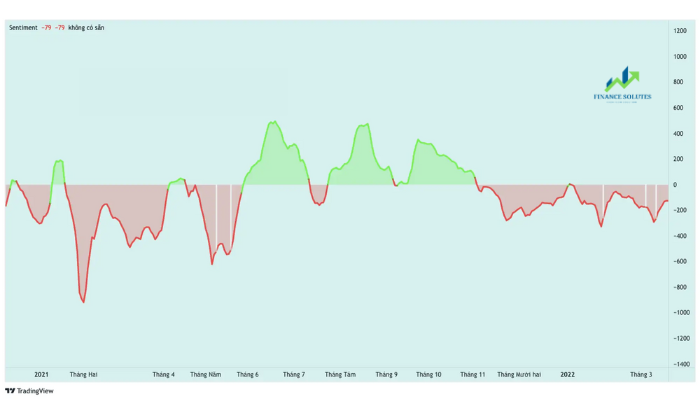
Market sentiment indicators are often not something that many traders pay much attention to. However, they almost accurately reflect what the majority of traders in the market are currently thinking. So why do traders often overlook market sentiment indicator systems—whether in the stock market, forex, or any other financial market? That’s why we should take a closer look at them in today’s article.\
1. WHAT IS MARKET SENTIMENT?
Before diving deeper into market sentiment indicators, let’s first take a look at the concept of market sentiment itself. Traders may already know that in financial markets such as forex, stocks, etc., analytical methods are generally divided into three categories: technical, fundamental, and sentiment analysis. Market sentiment reflects the overall attitude and prevailing emotions of investors or traders currently participating in the financial markets.
In addition, market sentiment can also provide insight into the market outlook and where prices might be headed in the future. It can be said that market sentiment is more of a psychological phenomenon—similar to crowd psychology. This is because people, especially new investors, are often influenced by news or by the actions of other traders and investors. This influence can lead to other psychological phenomena such as FOMO (Fear of Missing Out).
1.1. What is a Market Sentiment Indicator?
Now that you understand what market sentiment is, you can probably guess what a market sentiment indicator—or a stock market sentiment index—can reveal. Market sentiment indicator systems help traders understand how other traders and investors are feeling about the market. From there, it’s possible to forecast their behavior in the stock market. Particularly when a sentiment indicator shows that emotions have reached extremely positive or negative levels, traders may need to consider adjusting their trading strategies accordingly.
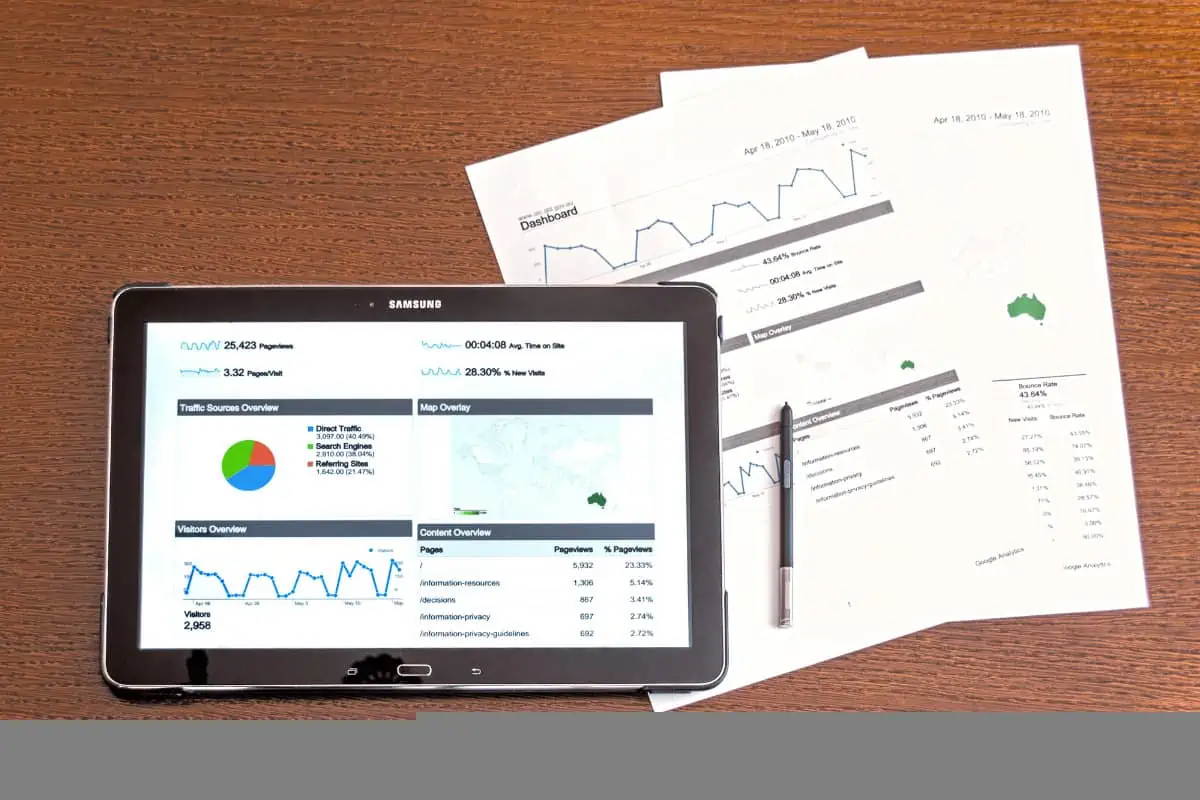
When trading in financial markets, being aware of and using market sentiment indicators can help you assess the mindset of the majority of traders and investors.
This aspect is often underestimated, and market sentiment indicators typically do not receive much attention.
1.2. How Does Market Sentiment Affect the Market?
Shifts in market sentiment can drive supply and demand, ultimately causing price fluctuations. That’s why sentiment indices are often used alongside other types of analysis to make more accurate decisions. In the stock market, market sentiment indicators reflect the level of investor interest in particular stocks. By analyzing market sentiment, traders can gain insights into whether stock prices are currently overvalued or undervalued compared to their intrinsic value and anticipate potential reversal points.
In more volatile markets like forex, traders often rely on sentiment reports from trading platforms—such as the IG Sentiment report—as key sentiment indicators.
Meanwhile, in the Vietnamese stock market, a popular sentiment indicator being used is the HSC Market Sentiment Indicator.
2. THE IMPORTANCE OF MARKET SENTIMENT INDICATOR SYSTEMS
With the analysis above, you’ve probably grasped the importance of market sentiment indicator systems and why traders should consider incorporating them into their trading strategies. Sometimes, a shift in market sentiment in one market can influence others. For example, if stock market sentiment indicators show a negative outlook, investors may become concerned and move their capital to safer assets like gold.

That’s why market sentiment indicators should also be integrated into your risk management strategy—due to the hedging correlation between different markets. However, using sentiment indicators to analyze and evaluate markets based on investor psychology is still only relative, as no indicator can precisely measure personal emotions or individual sentiment. The best that a market sentiment indicator system can do is to collect data and reflect the overall current trading sentiment in the market.
3. MOST POPULAR MARKET SENTIMENT INDICATORS
In addition to widely used sentiment indicators, some trading platforms also offer tools to help users measure and assess the sentiment of other traders. The reliability and effectiveness of each market sentiment indicator will vary. Therefore, the only way to know whether an indicator works for your trading strategy or system is to test it yourself. Below are some of the most popular market sentiment indicators:
3.1. VIX
VIX (CBOE Volatility Index), also known as the “Fear Indicator,” is a key market sentiment indicator because it gauges fear, uncertainty, and expected volatility in the stock market. It is calculated based on short-term price fluctuations in S&P 500 options.
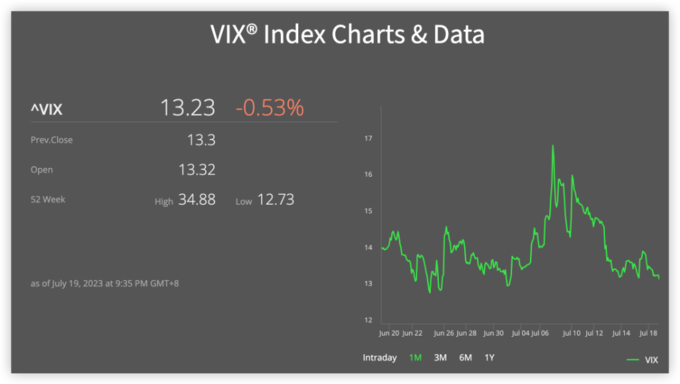
The higher the VIX market sentiment indicator, the more the market sentiment is considered fearful, indicating a potential trend reversal. A VIX level of 30 is generally regarded as high, and the higher the VIX, the greater the fear and uncertainty in the market.
3.2. COT Report
The COT (Commitment of Traders) report is probably a more familiar market sentiment indicator for most Forex traders. This report is released every Friday by the Commodity Futures Trading Commission (CFTC).
It includes data on both buying and selling activities in forex, commodities, options, futures, and other derivatives markets, categorized into three trader groups: commercial, non-commercial, and non-reportable (speculators).
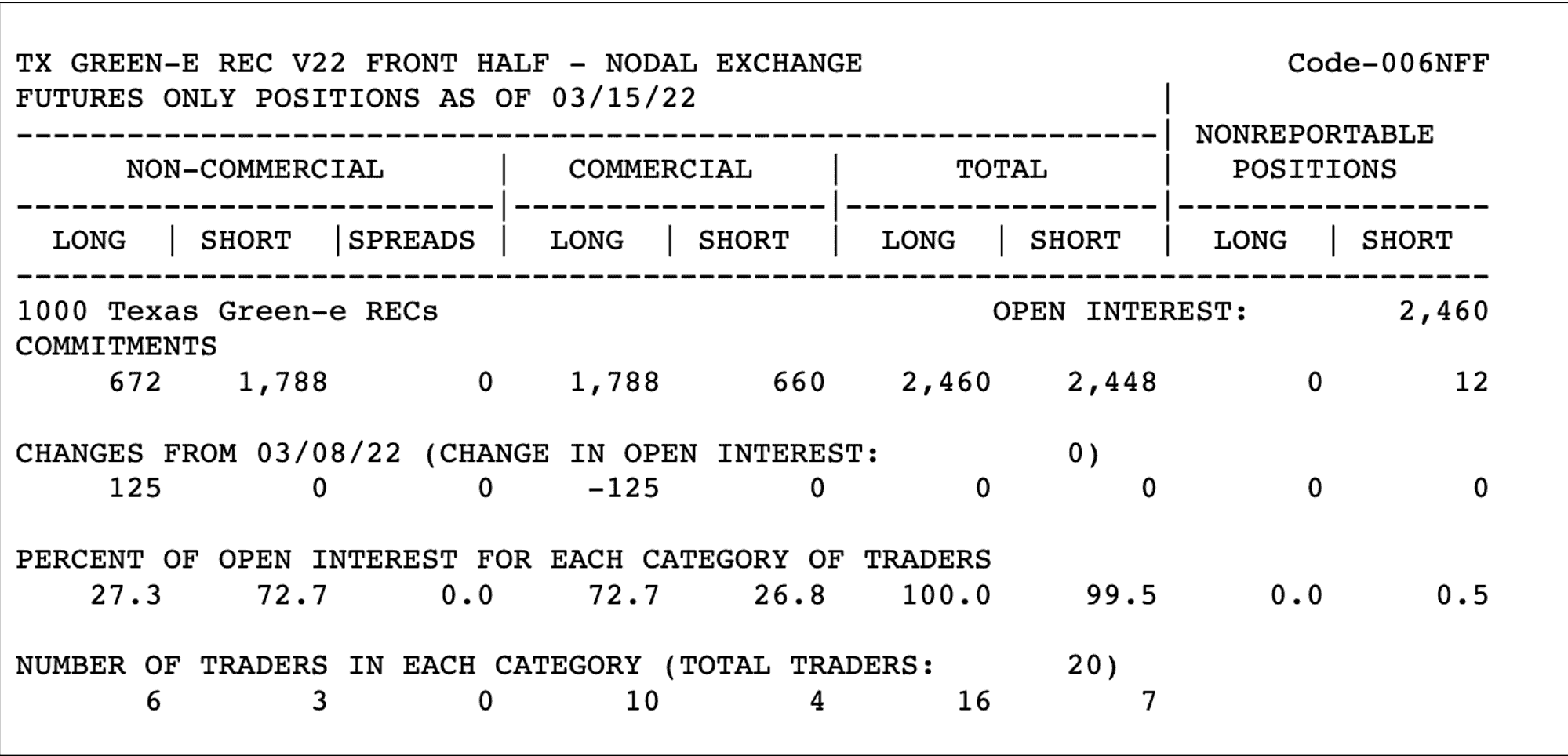
Unlike the VIX index, the COT report does not use real-time data; the Friday report is based on data from the preceding Tuesday. However, it remains a useful market sentiment indicator. Finance Solutes also offers a more detailed article about the COT report, which you can read if you’re interested in this type of market sentiment indicator.
3.3. High Low Index
The High Low Index will be the final market sentiment indicator introduced in today’s article. This index shows the number of stocks reaching their highest prices compared to the number of stocks hitting their lowest prices over a 52-week period. From this, traders can get an overall assessment of whether a particular stock or index is trending upward or downward, as well as the strength of the current price movement.
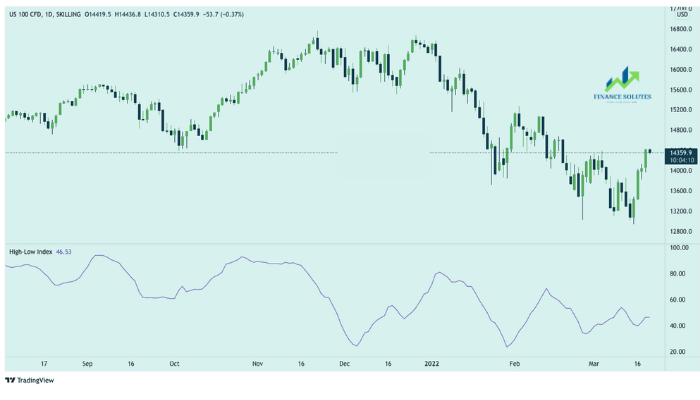
The High Low Index is commonly applied to major global stock indices such as the Nasdaq 100 and the S&P 500. When the High Low Index value is below 30, it means that stocks are trading near their lowest levels, indicating a bearish market sentiment. Conversely, when the index value is 70 or above, stocks are trading near their highest levels, signaling bullish market sentiment.
4. CONCLUSION
Today’s article has provided a detailed analysis of market sentiment, how it influences prices, and the importance of market sentiment indicator systems for traders.
Making trading decisions based purely on emotions can be passive, subjective, and carry significant risks. However, combining emotions with market sentiment indicators can bring about trading results that investors may find quite surprising.
- t.me/finance_solutes
- Website: https://finance-solutes.com
- Hotline: +1 929 5636 439 ( Hotline )
- 26 Broadway, Suite 934, New York, 10004, US
