
 XM
XM Bybit
Bybit Binance
 Robinhood
 Webull
 IC Markets
 Pepperstone
 OKX
OKX Vantage
 VT Markets
 BingX
BingX Gate.io
 Kucoin
 MEXC
MEXC Exness
 Bitget
What is a Trader and Why Do So Many People, Especially Young Individuals, Aspire to Succeed as One? If you’re wondering about this question and unsure what it takes to become a trader, read on to find out more.
1. What is a Trader?
Nowadays, it’s not uncommon to hear people mention traders when discussing the cryptocurrency field. This might make you curious: what exactly is a trader?
In fact, it’s a term that refers to individuals who engage in buying and selling assets (executing trades) in order to earn profits from price differences. Traders typically operate in markets such as foreign exchange, cryptocurrency, and stocks.
Traders can work for any business, financial institution or independently. This profession is popular because of its dynamic nature and no time constraints. Becoming a full-time or part-time trader depends entirely on your interests and needs.
The Difference Between a Trader and an Investor
On the market, the term Investor is also frequently mentioned, which often leads to confusion between Investors and Traders. To help you clearly distinguish between the two, let’s look at three key differences:
- Profit source: Investors earn profits by increasing the intrinsic value of assets. Traders, on the other hand, profit from price discrepancies or market volatility (not necessarily from upward or downward trends).
- Investment timeline: Investors typically have a longer-term investment plan compared to Traders.
- Risk and capital: Investors usually require upfront capital and bear full risk, whereas Traders may either bear the risk themselves (if working independently) or have the employing organization bear it.
2. Common Types of Traders Today
Now that you understand what a trader is, you’re probably curious about the most common types of traders in the current market. Generally, traders are divided into two main groups based on management and analysis approaches:
2.1. Management Traders
To understand what a management trader is, note that this group can be split into two main types:
- Independent traders – These individuals use and take full responsibility for their own capital and assets when investing/trading.
- Institutional traders – These traders use the capital of the organizations they work for to conduct trades/investments, but they do not directly enjoy the profits or bear the financial risks.
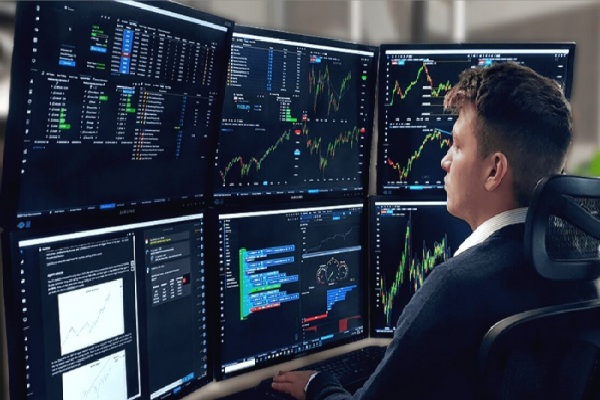
2.2. Analytical Traders
This group of traders operates with even greater diversity when it comes to investment/trading strategies. There are four main types:
- Technical Analysts – These traders execute trades based on their analysis of price charts and technical indicators.
- Fundamental Analysts – These traders make trading decisions based on news, publicly available data, and economic reports.
- Intuitive Traders – These traders rely on gut feeling or personal emotions to invest or trade.
- Hybrid Analysts – These traders combine both technical and fundamental analysis before making trading/investment decisions.
3. Outstanding Advantages of the Trading Profession
You may be wondering what makes trading so appealing that many people are willing to give up their current jobs or studies to pursue this career. Here are some key advantages:
3.1. Diverse Asset Classes
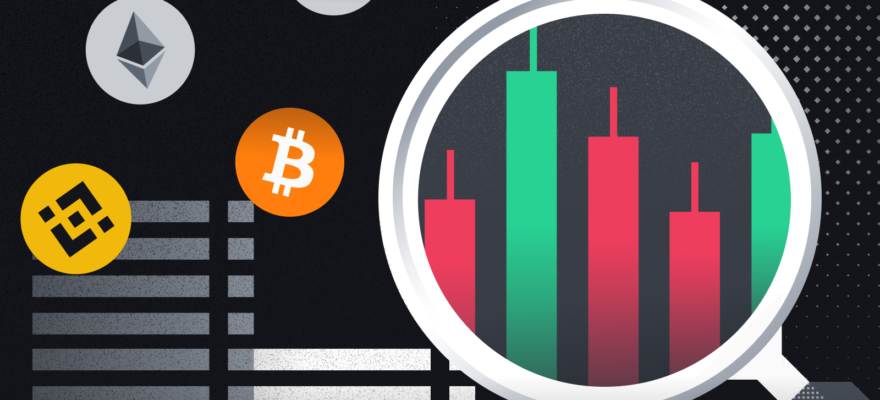
A trader can independently invest in, buy, and sell a wide variety of assets. These include bonds, stocks, precious metals, cryptocurrencies, and more—depending on the trader’s knowledge and capabilities.
Currently, the crypto market is considered a “fertile ground” attracting many traders due to the popularity of cryptocurrencies like ETH, XVG, and BTC.
The diverse financial field of the trader profession also helps a lot in making transactions, making profits, opening trading training classes or becoming a consultant. In the current competitive job time, a trader will have more “opportunities” open than in other fields.
3.2. Flexibility and Freedom
One of the most praised advantages of being a trader is flexibility. Depending on your personal goals and capabilities, you can choose to trade as a full-time career or a side hustle.
The profession’s lack of rigid rules and requirements gives traders the freedom to decide when and where to work. In the age of Industry 4.0, this flexibility is even more appealing—especially to younger generations seeking autonomy in their work lives.
3.3. Enhanced Financial Literacy
To become a trader, you need to build a solid foundation in financial knowledge. As you grow in the field, your understanding of finance will deepen, improving not only your trading skills but also your everyday life.
Financial literacy gained from trading is incredibly practical—it’s valuable if you plan to start a business or manage large-scale operations. The experience you gain as a trader can give you a significant edge in such endeavors.
3.4. High Income Potential

Stable revenue and attractive profits are perhaps the biggest answers to the question of why trading appeals to so many young people. In fact, real-world examples show that the income potential in this field is staggering—enough to leave many astonished.
With the right knowledge and solid experience, getting rich through trading is no longer a distant dream.
4. Key Factors Needed to Become a Trader
By now, the outstanding advantages of this profession have likely given you a clear understanding of what a trader is. Naturally, for such an attractive field, success and high profitability require meeting certain essential criteria. Among them are:
4.1. Financial Knowledge
As mentioned earlier, in order to trade or invest with minimal risk, a trader must have a solid foundation in financial knowledge. This enables accurate market analysis, proper risk assessment, and the ability to seize existing opportunities effectively.
4.2. Trading Style

When becoming a trader, it’s crucial to understand that in financial investing, there is no absolute right or wrong—only success or failure. That’s why identifying a trading style that suits your personality and discipline is essential for maintaining control and executing trades effectively.
4.3. Rational Thinking and Strong Discipline
A smart trader must stay rational and practice a high level of self-discipline to minimize risks during trading. In a highly volatile field like finance, emotional instability can easily lead to manipulation or poor decisions. If you’re wondering what contributes most to success as a trader—this is one of the core traits you must develop.
4.4. Choosing the Right Trading Platform
Today’s market offers a wide variety of financial platforms and trading systems. To become a successful trader and execute reliable, trustworthy transactions, choosing the right platform is critical.
To identify a quality trading platform, consider two key factors: user experience and credibility. You can also seek advice from experienced traders to make more informed and confident decisions.
4.5. Strategic Thinking

Trading heavily relies on analytical skills and sharp instincts. Therefore, if you ask what the single most important factor in becoming a trader is, the answer is undoubtedly thinking ability. The more strategic and sharp your mindset, the better your chances of thriving in the ever-changing financial market.
5. Conclusion
Based on the information about the different types of traders and the outstanding advantages of this profession, you likely now have a clear and accurate answer to the question: What is a trader? If you want to succeed in this field, meeting certain essential criteria is truly necessary. We wish you great success on the path you’ve chosen.
- t.me/finance_solutes
- Website: https://finance-solutes.com
- Hotline: +1 929 5636 439 ( Hotline )
- 26 Broadway, Suite 934, New York, 10004, US
