
 XM
XM Bybit
Bybit Binance
 Robinhood
 Webull
 IC Markets
 Pepperstone
 OKX
OKX Vantage
 VT Markets
 BingX
BingX Gate.io
 Kucoin
 MEXC
MEXC Exness
 Bitget
Before diving into the main discussion, it’s important to note that this enhanced HTML layout focuses purely on improving visual readability while keeping all of the original content, links, and structure intact. The formatting improvements are limited strictly and elements. The goal here is to keep your browsing and reading experience both professional and engaging — clean borders, subtle hover effects, and elegant typography ensure everything looks sleek without altering a single piece of information. You’re now ready to explore visually improved, Bootstrap-inspired formatting that enhances clarity while maintaining complete data integrity.
Have you ever landed on a website, only to be greeted by a pop-up about “cookies” asking for your permission to use your data? You’re not alone. In today’s digital world, cookies are everywhere—from your favorite online shops to cutting-edge financial platforms like Audacity Capital. But what exactly are these cookies, why do you have to consent to them, and how does all of this tie into your privacy rights under regulations like the GDPR? If you’re curious (or just a little suspicious) about how your online activity is tracked and protected, you’re in the right place! By the time you finish reading this deep dive, you’ll not only understand the different types of cookies and their roles, but you’ll also feel empowered to take control of your data—no matter where you click, scroll, or shop online.
Cookie Types Explained on Audacity Capital
Let’s break it down: cookies are tiny data files dropped onto your device every time you visit a website. Some folks think they’re nothing but digital mischief; others see them as harmless helpers. The truth? Cookies are a mixed bag—they can both improve your browsing experience and, if misused, compromise your privacy. On platforms like Audacity Capital, every cookie serves a distinct purpose, often designed to strike a balance between smooth functionality and robust data protection.
So, what kinds of cookies are floating around on modern websites, and what does each one actually do? Let’s zoom in on the main categories.
Visual Breakdown: What Each Cookie Does
Need a quick cheat sheet on cookies? Check out this handy infographic:
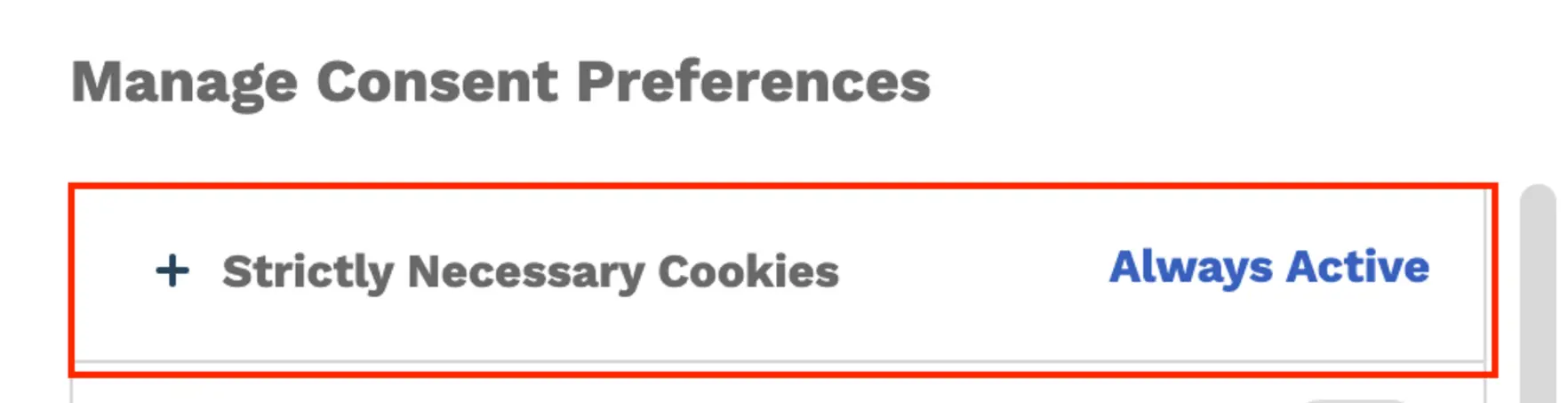
Here’s what you need to know about each cookie type you’ll find at Audacity Capital (and most major websites):
- Essential Cookies: Think of these as the “engine oil” of a website, powering core features like login security and session continuity. If you turn these off, the website simply won’t run as it should.
- Functional Cookies: These are your digital concierges—remembering your preferences, language settings, and even minor customizations to smooth out your browsing journey.
- Statistics Cookies (Analytics): Ever wondered how a website knows which pages are popular or where people drop off? These cookies do the tracking—anonymously—helping site owners improve the platform for everyone.
- Marketing Cookies: The brains behind those eerily accurate ads following you around the web. They tailor promotions and offers based on your interests and activity.
Understanding these categories makes it a lot clearer why controlling your cookie settings can make such a big difference. On Audacity Capital, this breakdown forms the blueprint for honest communication and responsible technology use. When platforms are upfront about what every cookie does, it builds user trust—and that’s a win for everyone.
Why Consent Matters
Let’s talk about the “C” word: consent. You’ve seen it plastered over cookie banners, privacy policies, and practically every signup form these days. But why is it so important?
Enter the General Data Protection Regulation (GDPR)—Europe’s gold standard for privacy protection. GDPR (now influencing laws everywhere from California to Australia) says that before a site can store or access non-essential cookies on your device, you need to say “yes.” More importantly, you should actually understand what you’re agreeing to.
That’s why cookie consent is more than a legal box-ticking exercise. It’s about giving users real, informed choice:
- Transparency: You know exactly what data is being collected and why.
- Control: You have the freedom to accept, reject, or tweak your consent at any time.
- Protection: No one gets to track or profile you without your clear say-so.
Getting consent right isn’t just a regulatory headache for businesses; it’s a core component of modern digital ethics. Next time you’re faced with a cookie pop-up, take a moment to look under the hood—you might be surprised by what’s really going on.
Statistics Cookies for Website Analytics
Statistics cookies—often labeled as “analytics cookies”—are the unsung heroes behind the scenes of every successful website. Imagine you’ve just launched a website: how do you know if your visitors are finding the information they need, or if they’re bouncing away in frustration? That’s where these cookies work their magic.
Statistics cookies track user interactions discreetly and, when implemented correctly, anonymously. They log everything from which pages are clicked the most, to how long visitors stick around. On a platform like Audacity Capital, these insights drive constant improvements—ensuring the site is always evolving to meet the needs of its users.
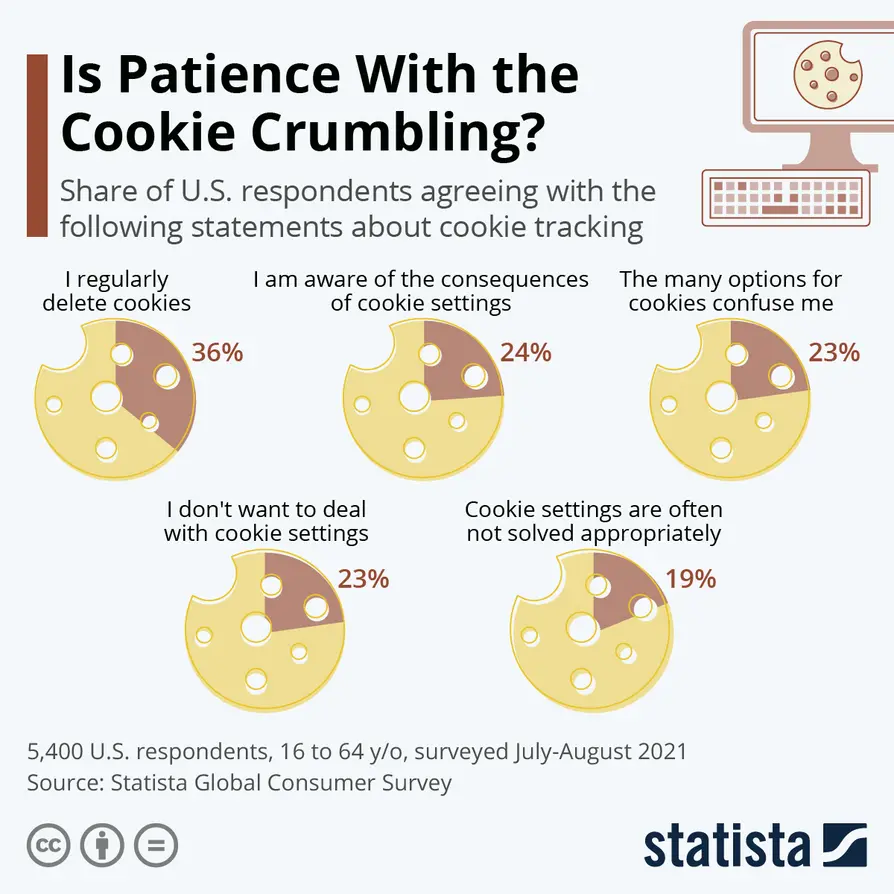
Let’s make it real: consider Netflix tracking which shows keep viewers binging late into the night, or Spotify analyzing which playlists attract the most listeners. Those deep-dives are powered by the same breed of statistics cookies.
GDPR and Responsible Analytics
Here’s where things get interesting. The GDPR didn’t outlaw statistics cookies, but it put strict rails on how they should operate. On paper, the rules are straightforward—here’s the checklist:
- Clear Disclosure: Websites must be upfront about the presence and purpose of analytics cookies.
- Explicit Consent: Before any tracking starts, users must have opted in. No shady “pre-ticked” boxes allowed.
- Easy Withdrawal: Revoking your consent should be as painless as giving it. Changed your mind? Just a click and you’re out.
These requirements mean that platforms can analyze behavior to make their services better, but never at the expense of privacy. It’s a balancing act—one that responsible companies take seriously.
Here’s what expert Dr. Helena Voss, privacy advisor at DataSafe Europe, has to say:
“Statistics cookies—when managed under robust GDPR consent—balance deep platform optimization with respect for user autonomy.”
What Do Analytics Cookies Track?
If you’ve ever peeked at website analytics dashboards, you know the stats can be mesmerizing. Typical data points include:
- Session duration: How long was each visit? Sites notice if visitors stay for seconds or hours.
- Bounce rates: Did visitors leave after reading only one page? High bounce rates can be red flags for engagement.
- Conversion rates: Did users complete a purchase, sign up for a service, or fill out a form?
Platforms like Audacity Capital use these numbers not to “spy” on you but to figure out what’s working, what isn’t, and how to create a smoother experience for everyone. In a world where digital attention spans are shrinking fast, smart analytics can be the difference between a thriving online platform and a ghost town.
Real-World Example: E-Commerce
An online retailer using analytics cookies discovers that shoppers abandon their carts just before checkout. By analyzing the cookie data, they realize the payment page takes too long to load. After optimizing the process, cart abandonment drops by 20%. This is how data—handled ethically—can benefit both users and businesses.
Curious about how analytics go even deeper in professional finance? Watch more: FundedNext Profit Splits & Fast Payouts Prop Trading UAE 2025 explores how trading platforms harness compliant analytics for smarter decision-making.
User Consent and GDPR Cookie Banner
If you’ve ever visited a compliant website, you’ve probably seen a cookie banner pop up as soon as the page loads. Love them or hate them, these banners are now fixtures of the modern web—and they exist to protect you.
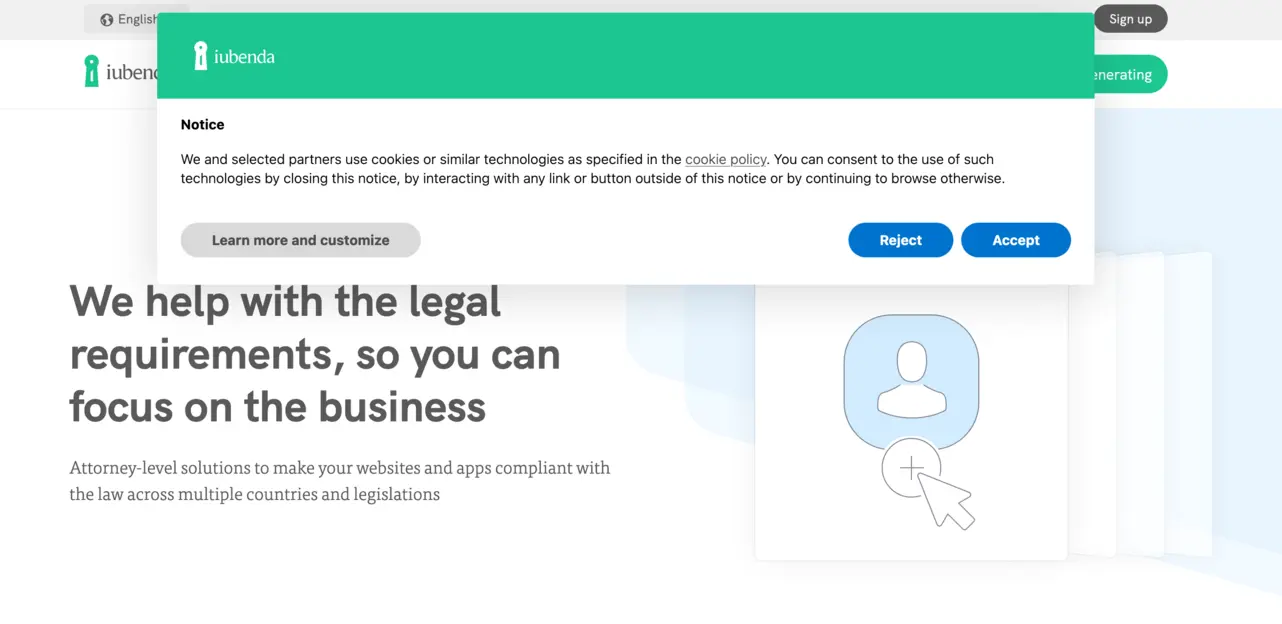
Much more than an annoying pop-up, the cookie banner is your frontline tool for controlling your digital footprint.
How the Consent Banner Works
What does a fully compliant, user-friendly cookie banner offer you? Let’s break it down:
- Transparency: A clear list of every cookie category, along with short (non-lawyerly!) explanations of what they do.
- Customizability: An interface that lets you toggle on/off “optional” cookies—like analytics or marketing cookies—while keeping the essentials running.
- Proof of Compliance: Timestamps and logs proving the site asked for consent—key for business audits and user trust.
At platforms like Audacity Capital, the cookie banner isn’t just a background compliance tool—it’s an active piece of the user experience, designed to be intuitive and jargon-free.
Step-by-Step User Control
Want to know exactly how to take charge? Here’s your action plan:
- Review all the cookie categories before clicking “Accept.” Some banners sneak “more info” links—don’t skip them!
- Customize your settings. Only allow what you’re comfortable sharing. If you never want targeted ads, flip those marketing cookies off.
- Save your preferences—and remember, you can revisit or update them anytime via the site’s privacy dashboard.
This evolution from passive acceptance to active choice is what modern data protection is all about.
Storytime: Imagine You’re Booking a Flight
You click through to an airline site and see a banner. Instead of a wall of fine print, it quickly breaks down each category: essentials (site security), statistics (to improve flight search features), and marketing (for personalized deals). You uncheck marketing, accept the others, and fly on—literally and figuratively—in control of your data. That’s how it should work.
Legal Requirements
Privacy laws like the GDPR have set global standards, now mirrored in places like Brazil (LGPD), California (CCPA), and South Korea (PIPA). These rules enforce:
- Purpose Specification: Websites must spell out the “why” behind every cookie.
- Consent Management: You must be able to easily approve, edit, or revoke your preferences—no dark patterns allowed.
- Pre-Opt-In Block: Optional cookies (analytics, marketing) can’t be set until express permission is given.
Businesses that ignore these requirements face steep fines and, more importantly, a hit to user trust—something money can’t buy back.
Stats That Matter
According to a 2023 study by Cisco, 81% of consumers said they’d “walk away” from a brand after a data mishap. The message: handling consent transparently is no longer optional—it’s business-critical.
Marketing Cookies for Personalized Ads
Marketing cookies get a lot of attention—and controversy—because, when used responsibly, they can make online ads genuinely useful, but when abused, they easily slip into the “creepy” zone.
What do they do? Marketing cookies watch your clicks, searches, and sometimes even your scroll habits, building a digital “profile.” This lets platforms:
- Show you products and offers you’re actually interested in (no more “one-size-fits-none” ads!)
- Make sure you don’t see the same ad 100 times.
- Measure whether you acted after seeing an ad, so advertisers aren’t throwing money into the digital void.
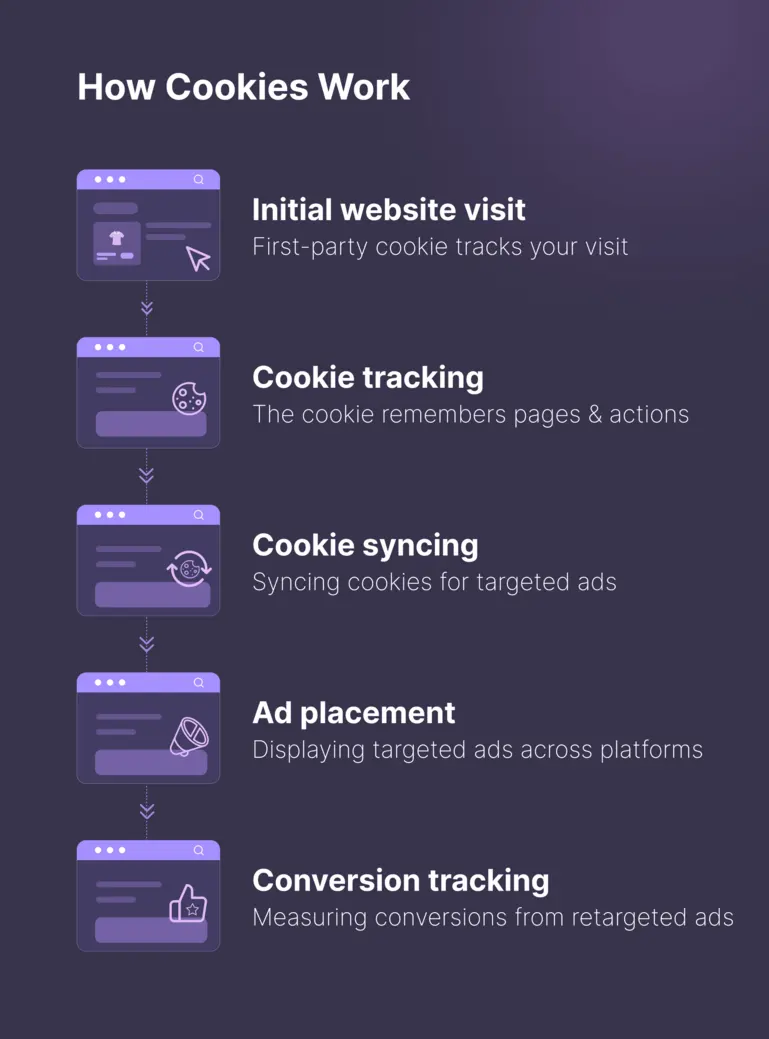
The Upside and Downside of Marketing Cookies
Let’s look at both sides of the story.
For You, the User
- Pro: Personalized ads mean fewer irrelevant promotions. If you’re already half-interested in hiking boots, why not see deals for your next trek?
- Con: Unchecked, these cookies can turn into privacy nightmares, tracking you across unrelated sites or devices.
For Businesses
- Pro: More targeted marketing means better ad spend—companies can put their money where you’re most likely to click “buy.”
- Con: Handled poorly, the backlash can be brutal. News headlines are full of scandals involving unauthorized tracking.
GDPR’s Line in the Sand
Europe’s rules are crystal clear: no marketing cookies without your explicit, granular, informed consent. That means no “shady pre-ticked boxes,” and no “take it or leave it” ultimatums. Only you get to decide if your digital profile is used for marketing—and you can change your mind at any time.
Real-World Example: Social Media Ads
Remember searching for a concert ticket, then suddenly seeing ads for related events all over Facebook and Instagram? That’s marketing cookies at work. When managed transparently—with easy opt-outs—they can actually be helpful. But when companies hide their tracking, trust erodes fast.
Deciding Your Settings
Here’s how savvy users wield control:
- Deny marketing cookies outright for maximum privacy (you’ll still see ads, just less tailored ones).
- Pick and choose—maybe you’re okay with personalized offers from shopping sites, but not from data brokers.
- Review and update your preferences as your comfort level or privacy priorities change.
Over time, businesses have realized that respecting these choices isn’t just “good compliance”—it’s also good business. A 2022 TrustArc report found that companies with best-in-class privacy interfaces averaged 22% higher user engagement than those with clunky, “take it or leave it” banners.
Case Study: Audacity Capital’s Approach
Let’s zoom in. When users sign in to Audacity Capital, they’re welcomed by a clear, concise consent interface. Every marketing cookie is explained in plain English. Rejecting or changing settings is one click away—not a marathon through confusing menus. As a result, users report feeling in control of their experience. That respect translates directly to higher trust and loyalty.
Security, Compliance, and User Control—The Audacity Capital Promise
It’s one thing to talk about data protection—it’s another to build it into the DNA of a platform. Audacity Capital leads by example, blending cutting-edge tech with transparent, compliant practices that put users first.
Whether it’s essential cookies making logins secure, functional cookies smoothing your workflow, or statistical and marketing cookies powering personalized insights, Audacity Capital’s approach is all about responsible data stewardship.
How Compliance Looks in Action
Ever wonder what “compliance” looks like behind the scenes? Here’s a sneak peek at what’s going on under the hood at platforms like Audacity Capital:
- Automated Consent Audits: Every banner and setting is constantly checked for legal alignment—no risky loopholes.
- User Control Dashboards: At any time, you can check and toggle your cookie preferences. Want to opt out of all marketing? It’s two taps away.
- Regular Legal Reviews: As privacy laws shift (and they always do), in-house and external experts regularly review policies, keeping users safe and the platform several steps ahead.
Protecting Your Privacy: Step-by-Step
Here’s your playbook for safe, personalized browsing:
- Spot all cookie categories—banners and dashboards make it easy.
- Actively choose your comfort level—don’t just accept by default.
- Update your preferences whenever you want, especially if the platform adds new features.
- Exercise your rights—request deletion or anonymization of your data in line with GDPR’s famous “right to be forgotten.”
Expert Insight
Carla Jennings, a leading columnist on tech and compliance, sums it up:
“Audacity Capital’s clarity in cookie categorization and user-first consent banners set a new standard for privacy—building trust in both institutional and personal finance circles.”
The Future of Cookie Compliance
Let’s face it—privacy is a moving target. As hackers get smarter and laws get stricter, companies have to keep upping their game. The future belongs to platforms that make compliance visible and privacy controls effortless.
Forward-thinking brands are already exploring alternatives like “cookieless tracking”—using anonymized, aggregated data that doesn’t sacrifice personal privacy for powerful insights. Expect more of this as privacy tech evolves.
Wondering how these trends shake out in high-stakes finance? Watch more: EquityShield Prop Trading Risk Controls & Profit Payout Guide dives further into privacy, risk management, and compliance innovation.
Conclusion: Your Pathway to Secure, Personalized, and Compliant Experiences
If you’ve stuck with us this far, congrats—you’re officially savvier about cookies than the average web surfer. Demystifying the roles and rules of cookies is the first step toward taking control of your digital future. Here’s what you gain:
- Privacy on your terms: No more shot-in-the-dark consent. Choose what you share and with whom.
- Smarter, safer platforms: Your choices help companies like Audacity Capital deliver features and experiences that genuinely matter—without compromising ethics.
- A new culture of transparency: The more you expect honest consent and robust compliance, the higher the bar rises for everyone online.
The days of blind acceptance are over. Now it’s all about personalization without intrusion—empowering you to both shape and protect your online footprint. As privacy regulations shift, stick with platforms that put you in the driver’s seat. After all, your data really is your choice.
Ready to take full control? Go review your own cookie settings on your favorite sites. Who knows—you might be surprised at what’s been following you all along.
Watch more:
✅ Our Website
✅ Our YouTube Channel
✅ Our Facebook Fanpage
✅ Our X (Twitter)
- t.me/finance_solutes
- Website: https://finance-solutes.com
- Hotline: +1 929 5636 439 ( Hotline )
- 26 Broadway, Suite 934, New York, 10004, US
