
 XM
XM Bybit
Bybit Binance
 Robinhood
 Webull
 IC Markets
 Pepperstone
 OKX
OKX Vantage
 VT Markets
 BingX
BingX Gate.io
 Kucoin
 MEXC
MEXC Exness
 Bitget
Digital collectibles are changing how creators launch projects and how communities discover early opportunities in Web3. For many new investors and collectors, understanding What is an NFT drop is the first step to navigating release dates, mint mechanics, rarity expectations, and the overall value behind a collection. This concept matters because it explains how NFTs are introduced to the market, why certain launches attract strong demand, and what buyers should evaluate before joining a release.
What Is an NFT Drop and How Does It Work?
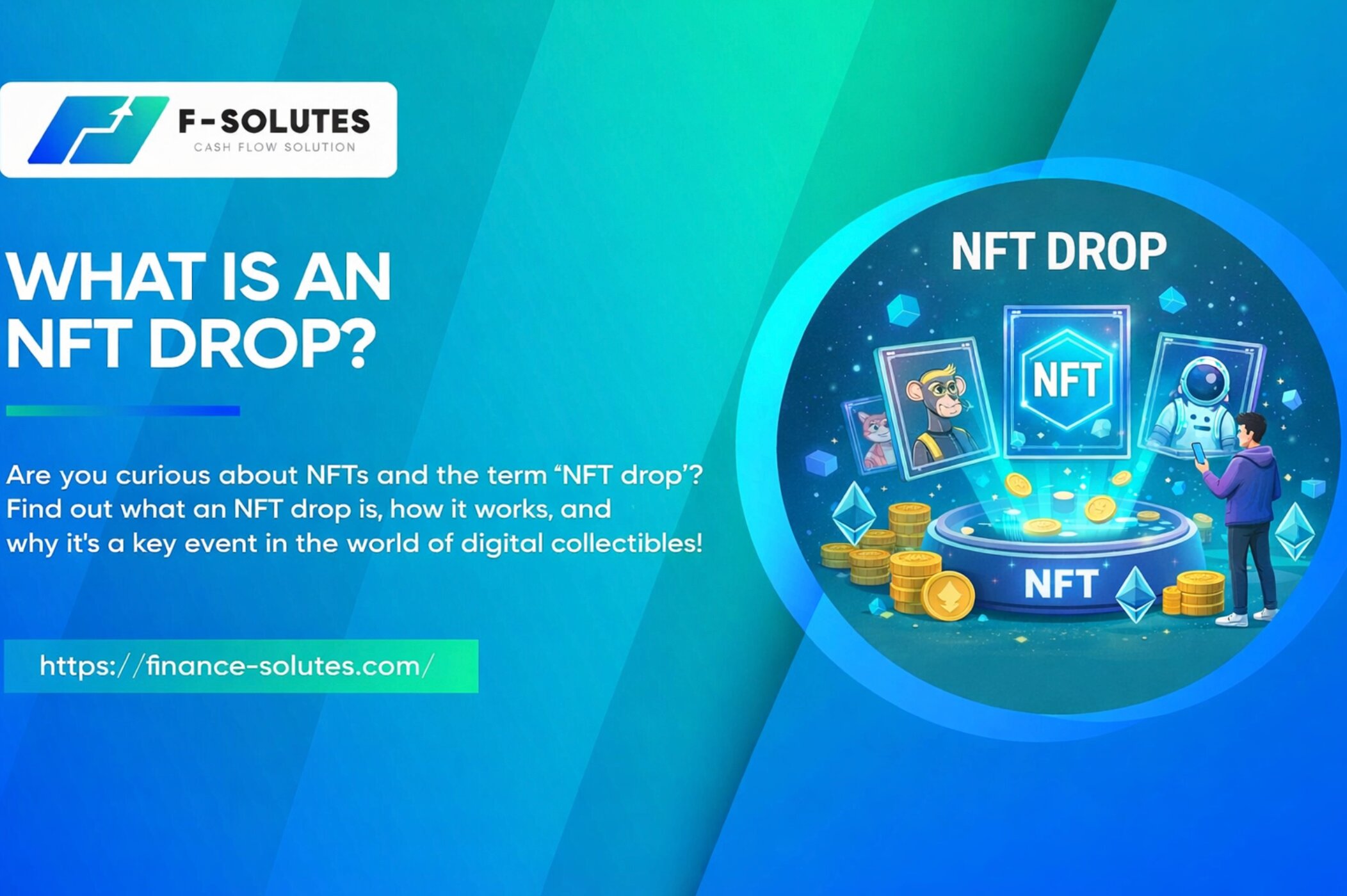
Understanding What is an NFT drop is essential for anyone entering the digital asset space, particularly within the NFT ecosystem. An NFT drop refers to the official release of a new collection of non-fungible tokens to the public. These releases are often scheduled in advance and announced across social platforms, allowing collectors and investors to prepare for participation. NFT drops can vary in structure, including fixed-price sales, auctions, or whitelist-based minting events.
From a technical perspective, NFT drops are executed via smart contracts on blockchain networks such as Ethereum or Solana. When a drop goes live, users interact with the contract to mint tokens, which are then recorded immutably on the blockchain. This process ensures transparency, ownership verification, and scarcity—three critical factors that influence the perceived value of NFTs.
Key Components of an NFT Drop
An NFT drop is not simply about releasing digital assets; it involves a well-structured framework that determines accessibility, pricing, and distribution. Each component plays a significant role in shaping user experience and market response.
- Mint Date and Time: The exact moment when users can purchase NFTs.
- Supply: The total number of NFTs available in the collection.
- Mint Price: The cost per NFT, often denominated in cryptocurrency.
- Blockchain Network: Determines transaction fees and speed.
- Smart Contract: Governs minting rules and ownership validation.
These elements collectively determine the accessibility and competitiveness of a drop. High-demand collections often sell out within minutes, creating a sense of urgency among buyers.
Types of NFT Drops in the Market
The NFT market has evolved rapidly, leading to multiple variations of drop mechanisms. Each type caters to different strategies, audiences, and project goals. Understanding these variations helps investors identify opportunities and risks.
Public Drops
Public drops are open to anyone with a compatible crypto wallet. These are the most accessible types of NFT launches but also the most competitive. Since there are no entry barriers, high gas fees and network congestion are common during popular drops.
Projects often use public drops to maximize reach and attract a broad audience. However, this approach can also lead to bot activity, making it harder for genuine collectors to secure NFTs.
Whitelist or Presale Drops
Whitelist drops are designed to reward early supporters or community members. Users must meet certain criteria—such as holding specific tokens, engaging on social media, or participating in community activities—to gain access.
This model helps projects build strong communities before launch. It also reduces competition during minting, as only approved wallets can participate in the early phase.
Dutch Auctions
Dutch auctions introduce a dynamic pricing model where the price starts high and gradually decreases over time until all NFTs are sold. This mechanism allows the market to determine the fair value of the assets.
For investors, this type of drop requires strategic decision-making. Buying early may secure an NFT but at a higher price, while waiting could result in missing out entirely if demand remains strong.
Why NFT Drops Matter for Investors and Creators
To fully grasp what is an nft drop, it is important to analyze its significance from both investor and creator perspectives. NFT drops are not just technical events; they are strategic moments that can determine the success or failure of a project.
Value Creation and Scarcity
NFT drops create scarcity by limiting the number of tokens available. This scarcity, combined with demand, drives value in secondary markets. Investors often look for drops with strong narratives, reputable teams, and clear utility.
Scarcity alone is not enough. Successful drops often include additional value propositions such as access to exclusive communities, future airdrops, or real-world benefits.
Market Hype and Community Engagement
Pre-launch marketing plays a critical role in the success of NFT drops. Social media campaigns, influencer partnerships, and community-building activities generate hype and anticipation.
Projects that successfully engage their audience before the drop are more likely to achieve strong initial sales and sustained interest. This highlights the importance of community as a core asset in the NFT space.
How to Evaluate an NFT Drop Before Participating
Participating in NFT drops involves financial risk, making due diligence a critical step. Investors should analyze multiple factors before committing capital to a new project.
Project Team and Credibility
One of the first aspects to evaluate is the team behind the project. Transparent teams with verifiable experience are generally more trustworthy. Anonymous teams are common in the NFT space but carry higher risk.
Checking past projects, partnerships, and online presence can provide insights into the team’s credibility and long-term commitment.
Utility and Roadmap
Utility refers to the practical benefits associated with owning an NFT. This could include access to exclusive content, governance rights, or integration with other platforms.
A well-defined roadmap indicates that the project has a long-term vision. Investors should assess whether the roadmap is realistic and aligned with the project’s capabilities.
Community Strength
A strong and active community is often a positive indicator of a project’s potential. Platforms like Discord and Twitter provide valuable insights into user engagement and sentiment.
Organic growth is more sustainable than artificially inflated numbers. Investors should be cautious of projects with high follower counts but low interaction.
Common Risks Associated with NFT Drops
While understanding what is an nft drop opens the door to new opportunities, it also exposes investors to various risks. Awareness of these risks is essential for making informed decisions.
Smart Contract Vulnerabilities
Smart contracts are the backbone of NFT drops, but they are not immune to errors or exploits. Poorly written code can lead to security breaches, resulting in financial losses for participants.
Projects that undergo third-party audits are generally more reliable, as audits help identify and mitigate potential vulnerabilities.
Market Volatility
The NFT market is highly volatile, with prices fluctuating based on trends, hype, and external factors. An NFT purchased during a drop may not retain its value if demand decreases.
Investors should avoid making decisions based solely on hype and instead focus on fundamental value indicators.
Scams and Rug Pulls
Scams are a significant concern in the NFT space. Rug pulls occur when project creators abandon the project after raising funds, leaving investors with worthless assets.
To minimize risk, investors should verify project authenticity, avoid suspicious links, and rely on official communication channels.
Best Practices for Participating in NFT Drops
Successfully navigating NFT drops requires preparation, strategy, and risk management. By following best practices, investors can improve their chances of securing valuable assets while minimizing potential losses.
Prepare Your Wallet and Funds
Before participating in a drop, ensure that your crypto wallet is properly set up and funded. Popular wallets like MetaMask are commonly used for Ethereum-based drops.
It is also important to account for gas fees, which can increase significantly during high-demand events.
Stay Updated with Official Channels
Projects typically announce updates through official channels such as Twitter, Discord, and their websites. Staying informed helps investors avoid scams and ensures timely participation.
Missing key announcements can result in lost opportunities, especially in fast-moving drops.
Set a Clear Investment Strategy
Entering NFT drops without a strategy can lead to impulsive decisions. Investors should define their budget, risk tolerance, and exit strategy before participating.
A disciplined approach helps manage emotions and reduces the likelihood of losses in a highly speculative market.
Advanced Strategies to Maximize Success in NFT Drops
As the NFT ecosystem matures, simply understanding What is an NFT drop is no longer sufficient. Investors and collectors are increasingly adopting advanced strategies to gain a competitive edge. These strategies focus on timing, data analysis, and leveraging insider knowledge from communities.
One key approach is tracking successful creators and projects with a proven track record. Projects led by experienced teams or backed by reputable investors tend to perform better during and after the drop. Additionally, analyzing previous drops can provide insights into pricing behavior, sell-out speed, and secondary market performance.
Timing the Market
Timing plays a crucial role in NFT investments. Entering a drop too early may expose investors to inflated mint prices, while entering too late could mean missing out entirely. Monitoring market sentiment and broader crypto trends can help determine optimal entry points.
For example, NFT activity often increases during bullish crypto markets, leading to higher demand and faster sell-outs. Conversely, during bearish conditions, investors may find better entry prices but face slower appreciation.
Leveraging Analytics Tools
Data-driven decision-making is becoming increasingly important in NFT investing. Various analytics platforms provide insights into mint history, wallet activity, and trading volumes.
- Minting Trends: Identify how quickly NFTs are being sold.
- Holder Distribution: Analyze whether ownership is decentralized.
- Floor Price Movement: Track post-drop valuation trends.
- Whale Activity: Monitor large investors entering or exiting.
These metrics help investors make informed decisions rather than relying solely on hype or speculation.
Future Trends of NFT Drops in Web3
The concept of what is an nft drop continues to evolve alongside advancements in blockchain technology. Future NFT drops are expected to become more sophisticated, integrating new features that enhance user experience and long-term value.
Dynamic and Utility-Based NFTs
Future NFT drops are increasingly focused on utility rather than static ownership. Dynamic NFTs can evolve over time based on user interaction, external data, or project milestones.
This shift transforms NFTs from simple collectibles into functional digital assets with real-world applications, such as gaming, identity verification, and access control.
Cross-Chain Compatibility
As blockchain ecosystems expand, cross-chain functionality is becoming a key trend. NFT drops may no longer be limited to a single network, allowing users to mint and trade assets across multiple blockchains.
This interoperability enhances liquidity and reduces dependency on a single ecosystem, making NFT investments more flexible and accessible.
Integration with Metaverse and Real-World Assets
NFT drops are increasingly linked to metaverse platforms and physical assets. Projects are exploring ways to connect digital ownership with tangible benefits, such as event access, merchandise, or real estate.
This integration bridges the gap between virtual and physical economies, expanding the use cases of NFTs beyond speculative trading.
Conclusion
In today’s rapidly evolving digital landscape, understanding What is an NFT drop is a critical step for anyone looking to participate in the NFT market. From different drop mechanisms to evaluation strategies and risk management, each aspect plays a vital role in determining investment outcomes.
By combining technical knowledge, market awareness, and strategic planning, investors can navigate NFT drops more effectively. As the space continues to develop, those who stay informed and adaptable will be better positioned to capitalize on emerging opportunities while minimizing potential risks.
Watch more
- What Is Hook Rate? Meaning, Formula & How to Improve It
- What is Perfect Money Wallet? The Complete Guide for Beginners
- What is Portfolio Variance? A Guide to Calculating Investment Risk
- t.me/finance_solutes
- Website: https://finance-solutes.com
- Hotline: +1 929 5636 439 ( Hotline )
- 26 Broadway, Suite 934, New York, 10004, US
