
 XM
XM Bybit
Bybit Binance
 Robinhood
 Webull
 IC Markets
 Pepperstone
 OKX
OKX Vantage
 VT Markets
 BingX
BingX Gate.io
 Kucoin
 MEXC
MEXC Exness
 Bitget
Global financial markets have recently experienced notable fluctuations, with sharp movements in stocks, the U.S. dollar, and oil prices, while economic and political factors continue to exert pressure on investors.
STOCKS SLIDE AS THE DOLLAR HITS A 14-MONTH HIGH
Following a surprising jobs report, Asian stocks plunged early this week, while the U.S. dollar climbed to its highest level in 14 months. The report pushed the yield on 10-year Treasury bonds to 4.79%, the highest since late 2022, before trading at 4.764% in the Asian market.
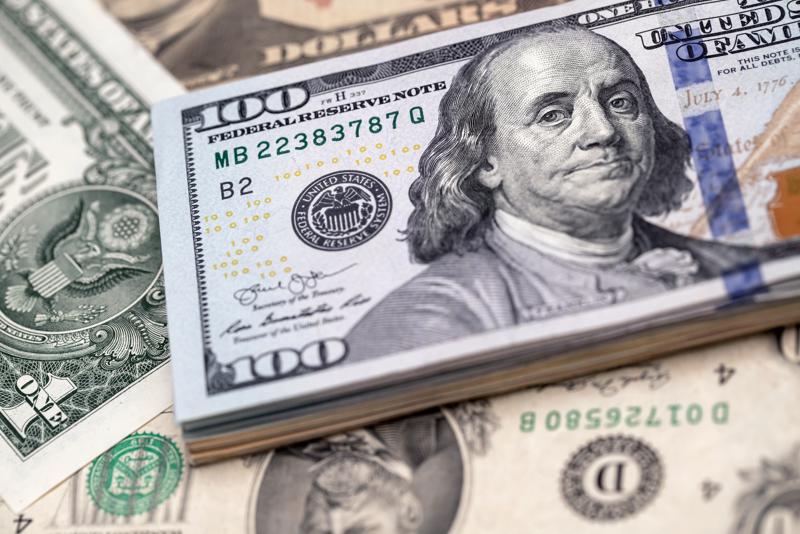
Higher bond yields have not only increased borrowing costs for businesses and consumers but also reduced the attractiveness of stocks, cash, and commodities compared to bonds. Experts like Aditya Bhave from BofA warn that inflation remains a significant risk, and interest rate hikes could return if the core PCE index exceeds 3% annually.
EARNINGS SEASON EXPECTATIONS
Earnings season kicks off on Wednesday, featuring major banks like Citigroup, Goldman Sachs, and JPMorgan. While these reports are expected to provide crucial insights into corporate financial health, businesses are also facing challenges from higher borrowing costs and potential new trade policies from the U.S. administration.
OIL PRICES SURGE AMID SUPPLY CONCERNS
Oil prices hit a four-month high due to a sharp decline in Russian crude exports, coupled with new U.S. sanctions. Brent crude rose $1.19 to $80.94 per barrel, while U.S. crude climbed $1.27 to $77.84 per barrel.
CAUTIOUS SENTIMENT IN ASIAN MARKETS
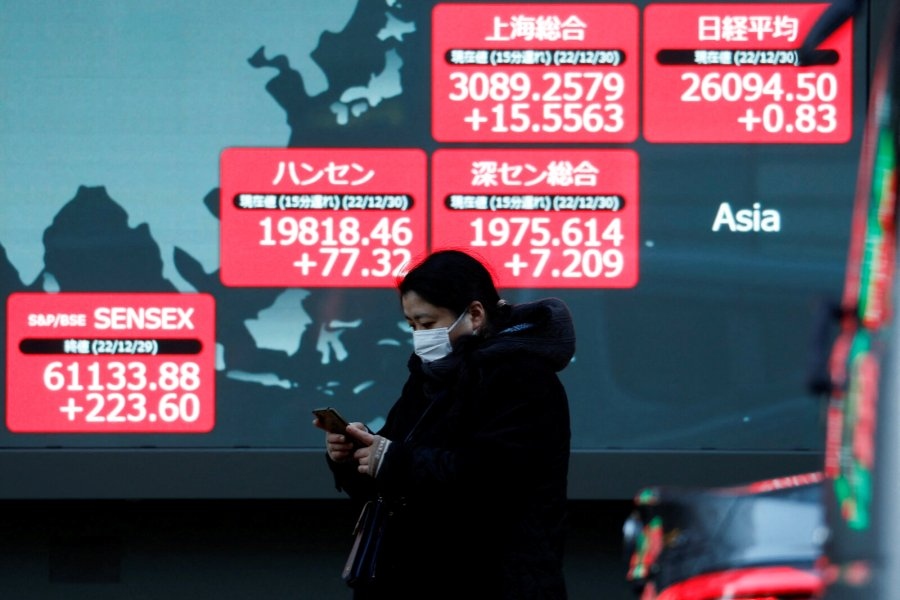
In Asia, the MSCI index of Asia-Pacific stocks fell 0.4%. Chinese stocks (.CSI300) dipped 0.2% despite an unexpected 10.7% surge in December exports and a 1% rise in imports. South Korea’s Kospi index (.KS11) dropped 1% amid political uncertainty over the impeachment trial of President Yoon Suk Yeol.
PRESSURE ON THE POUND AND EURO
In currency markets, the British pound dropped to a 14-month low of $1.2129 amid concerns over increased borrowing under a Labour government. Meanwhile, the euro fell for the eighth consecutive week to $1.0210, as the dollar strengthened further on higher bond yields.
GOLD AND YEN SHOW RESILIENCE
Despite a stronger dollar, gold held steady at $2,686 per ounce, demonstrating impressive resilience under market pressure. The Japanese yen dipped slightly to 157.50 yen/USD, as the Bank of Japan is expected to revise its inflation forecast, potentially paving the way for another rate hike.
CONCLUSION
Global financial markets are navigating a turbulent environment shaped by a combination of economic, political, and policy factors. Investors should carefully evaluate the latest data to develop strategies that align with the challenges and opportunities in this volatile period.
- t.me/finance_solutes
- Website: https://finance-solutes.com
- Hotline: +1 929 5636 439 ( Hotline )
- 26 Broadway, Suite 934, New York, 10004, US
