
 XM
XM Bybit
Bybit Binance
 Robinhood
 Webull
 IC Markets
 Pepperstone
 OKX
OKX Vantage
 VT Markets
 BingX
BingX Gate.io
 Kucoin
 MEXC
MEXC Exness
 Bitget
The events of 2025 marked a dramatic paradigm shift, blending visionary innovation, major cultural milestones, and landmark political developments that reshaped the global landscape. In this overview, we’ll explore how technology transformed city life, how world leaders forged unprecedented alliances, the unifying magic of headline-making sports and cultural festivals, and how elections redefined governance with digital transparency. From Osaka’s futuristic expo to viral Olympic moments and tectonic voter shifts, 2025 offers an inspiring glimpse into a world both dazzlingly advanced and deeply human. Read on for a detailed tour of this truly pivotal year.
Expo 2025 Osaka Smart Cities Innovations
The Vision Behind Expo 2025 Osaka
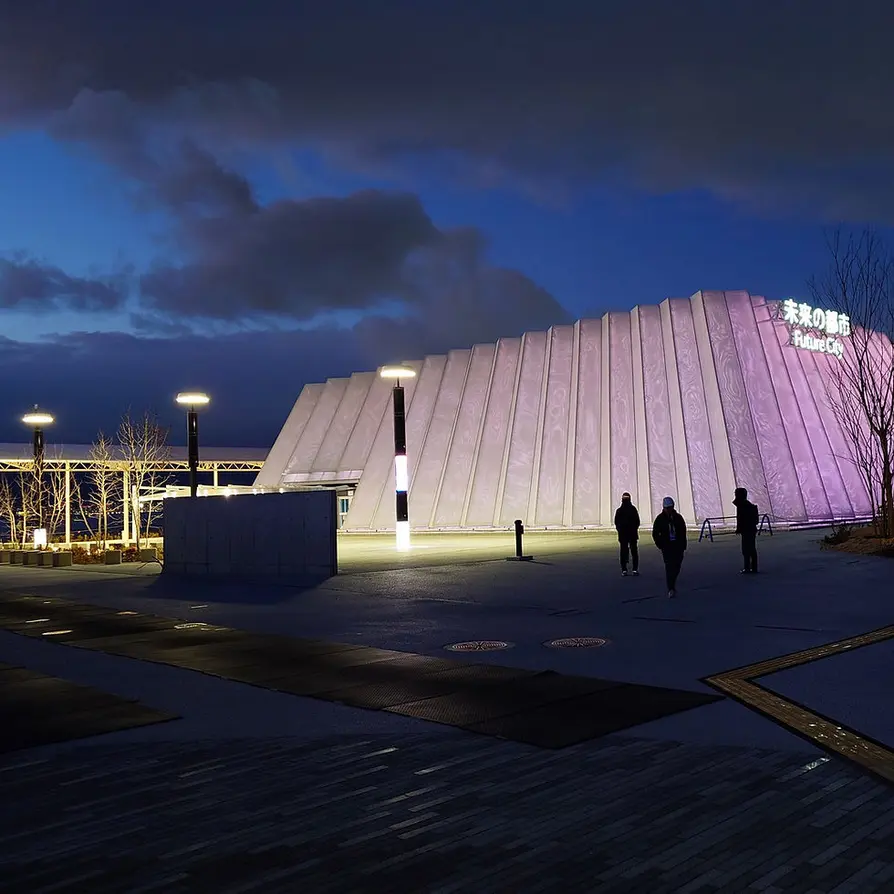
Imagine walking onto Yumeshima Island, where futuristic pavilions shimmer under the theme “Designing Future Society for Our Lives.” Expo 2025 Osaka wasn’t just an event—it was a stage for dreams about resilient, smarter cities. With more than 150 countries, cutting-edge corporations, and research powerhouses on deck, the showcase blurred lines between imagination and reality. Forget just seeing cool tech—visitors could step inside energy-positive buildings, ride in autonomous EVs, and watch AI-controlled logistics hustle behind the scenes.
The architectural spectacle was just the beginning. Japan’s Expo highlighted the kinds of cities we might call home in a world facing climate upheaval, massive population booms, and ever-evolving cultures. Here’s what stood out:
Key Features:
- Smart Grids and Green Energy: Japan didn’t just talk about green energy—it built a living demo. Power was steered by AI-managed smart grids, mixing solar and wind sources. Dynamic pricing allowed people and businesses to shift their energy use, balancing the grid and cutting bills.
- Urban Mobility Revolution: Driverless electric vehicles patrolled Expo streets. Visitors hopped in for hands-on trials, and the vehicles quietly mapped ideal routes and traffic flows for future cities.
- Global Collaboration: Singapore shared its breakthroughs in water recycling. Dubai showcased vertical farms blooming in urban towers. Stockholm proved circular economies can thrive at city-scale. These ideas weren’t just for show—countries signed real deals to bring them home.
- Digital Twin Technology: Planners used digital twins to mirror entire neighborhoods in real time. They predicted traffic jams, monitored environmental shifts, and solved problems before they even happened.
Expo 2025 Osaka wasn’t just a peek at the future—it crystallized the trends likely to shape everyday life for billions. Think seamless public transit, neighborhoods with zero pollution, and AI-powered help for everything from city permits to health services. What surprised many was just how normal it already felt—the tech was in action, not just in theory.
Real-World Connection: Smart Cities Come Alive
If you’ve wondered what a smart city really means, Osaka gave us a living, breathing example. For instance, the city’s smart grid allowed energy to flow where needed most—during a heatwave, stadiums could pull extra solar power to keep fans cool without stressing the wider system. The AI-based traffic control redirected thousands of vehicles in seconds, slashing commute times during Expo rush hours.
These systems weren’t just for show. Osaka’s model was already being replicated. In Tokyo, similar grid pilot programs cut energy costs by 15% in the following months. Singapore saw its water recycling innovations picked up in Jakarta and Manila, leading to cleaner waterways and healthier communities.
Pioneering Urban Solutions and Cross-Border Initiatives
Expo 2025’s reverberations were felt across continents—lasting partnerships, shared strategies, and technology swaps promised a new era for cities everywhere. Let’s break down some of the biggest alliances sparked by Expo 2025:
- Japan-EU Smart Mobility Accord: Imagine zero-emission buses gliding through European cities, coordinated by Japanese AI. This real partnership kicked off joint research and development for public transport that’s both clean and ultra-efficient.
- ASEAN Green City Network: Southeast Asia’s megacities—from Bangkok to Ho Chi Minh City—joined forces to tackle waste with Expo-inspired algorithms. Funding and experts followed, sparking rapid changes in urban recycling and waste management.
- Africa-Japan Clean Energy Alliance: Inspired by Expo breakthroughs, African cities gained access to microgrid technologies tested on Yumeshima Island. These grids brought stable, affordable, and renewable energy to locations where traditional infrastructure lagged.
Expert Insight: Dr. Ryoichi Matsumoto summed up the Expo’s impact sharply: “Expo 2025 Osaka changed the course of urban policy. Policymakers now recognize smart infrastructure as a catalyst for economic resilience and social wellbeing.”
And this wasn’t just Japanese pride talking. A recent World Bank report stated that cities embracing Expo strategies could see a 20% uptick in public health outcomes and local GDP within five years.
Curious about how these platforms extend into global finance and city management? Watch more.
Story Time: How Young City Planners Got Inspired
During Expo 2025, student city planners from Nairobi, Jakarta, and Berlin teamed up for a hackathon. Using open-source digital twins, they mapped ways to reduce traffic emissions in their hometowns. Their project caught the eye of both local mayors and international firms—and within weeks, trials were underway in three cities. It’s a reminder: innovation isn’t just top-down. It’s collaborative, playful, and rooted in real lives.
World Leaders at 2025 Global Summits
Diplomatic Milestones – 2025’s Defining Agreements
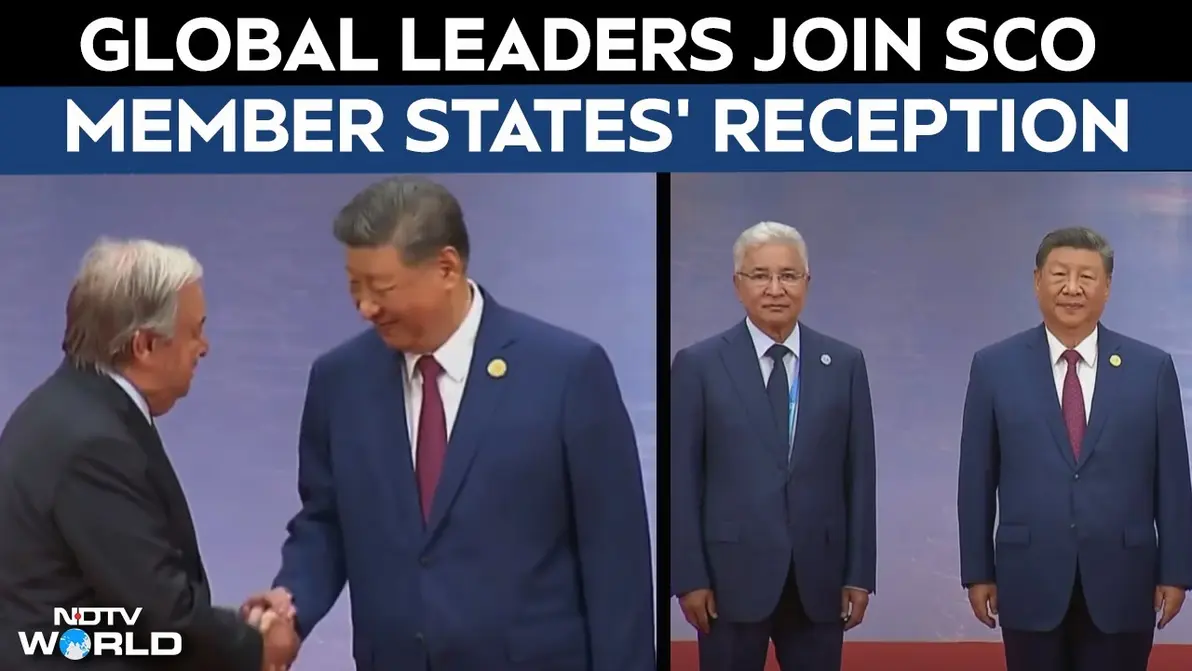
There were enough tense conference-table moments in 2025 to fill a Netflix drama series. The G20 Osaka Summit stole headlines, as leaders wrangled over the “Green Recovery Pact.” The number? $300 billion unlocked for climate projects—real money that would flow across borders, powering clean energy from Africa’s cities to outposts in the Andes.
But the breakthroughs didn’t stop at climate. The world’s governments finally confronted the fast-paced reality of artificial intelligence with the Global AI Guidelines Tribunal (GAIGT). For the first time, countries from Canada to China agreed on a code of conduct for AI—spanning governance, business, and security. This was huge, with direct impacts on everything from healthcare algorithms to self-driving cars.
Paris Climate Recommitment rallied 193 nations, forcing new accountability. Stalling countries faced real penalties for missing clean-energy targets—a shift that signaled the age of empty promises was done.
Meanwhile, the Digital Trade Treaty changed how people and companies do business online. With tariffs gone for cloud computing, IoT devices, and fintech APIs, a new wave of global apps, businesses, and creative solutions hit the market almost overnight.
Personalities Driving Change: Inside the Negotiation Rooms
Let’s peek behind the curtain. The negotiations were powered by leaders with larger-than-life personalities. EU Chancellor Maria Léon kept talks on track through serious disagreements, using a mix of calm and expertise. US President Alex Walker was the force of practicality, pushing for rules that went beyond paper promises. And China’s tech ambassador, Li Wei, stirred up debates on AI security and the sovereignty of data—winning both applause and skeptical side-eye in equal measure from Western delegates.
These leaders didn’t just debate—they collaborated. According to Dr. Stephanie Cohen, a key observer, “2025’s negotiations reflected a new realism: global problems now require tech-driven, enforceable solutions. The personalities behind these deals showed unprecedented openness to collaborative experimentation.”
Behind-the-Scenes Example: The “Great Reboot” at the G20
Take the “Great Reboot” pact at the G20. Round the hotel ballrooms, aides whispered about how close talks came to collapse over carbon tariffs. But a breakthrough moment came when smaller nations like Kenya and Vietnam pointed to Expo Osaka’s real-world city models. With live stats showing how green energy changed outcomes, even the holdouts couldn’t argue.
This spirit was everywhere—at Paris, at GAIGT—where technical experts and citizen groups got a seat at the table, not just heads of state.
Broader Impact on Policy, Commerce, and Peace
How did all those midnight debates and tense summits actually change life for everyday folks?
- Trade: The drop in digital tariffs was felt almost immediately. Within six months, e-commerce volumes grew by 22% worldwide. Small businesses in Mumbai, Berlin, and Lagos could sell cloud services or digital goods with fewer barriers, sparking a burst in global entrepreneurship.
- Climate: The Green Recovery Pact powered over 600 clean infrastructure projects—from wind farms in India to water-smart cities in Chile. And because cash and support flowed so fast, local jobs and skills got a boost.
- Peace: AI algorithms began helping peacekeepers analyze conflict zones. In hot-spot borders, bias-free digital mediation reduced incidents—a 17% drop in one year—according to a UN monitoring report.
For anyone hunting for a deeper look at international financial strategy, Watch more.
Fact Check: The Data Behind the Diplomacy
Want cold, hard numbers? The International Monetary Fund reported global GDP growth stabilized at 3.8% post-2025 agreements, with tech-enabled policies credited for the rebound. Meanwhile, airtime for climate content on major networks tripled—proof the needle was moving not just in boardrooms, but in hearts and minds globally.
Major Sports Finals and Cultural Highlights 2025
Global Competitions: Unifying Audiences

Now, if you think world politics sucked up all the attention in 2025, think again. It was also a year of sports and culture going supernova.
The Paris Summer Olympics didn’t just break athletic records—they blew open sustainability standards. Eco-Stadiums built with recycled materials set new blueprints for how global events could be run green. On the last night, the Olympic flame burned as stadium LEDs spelled out climate pledges, sending a shiver across the crowd and live-stream fans.
Cricket’s ICC World Cup was a thunderstorm of drama—India outlasting England in a super-over for the ages, watched by a staggering 750 million people around the globe. You can actually feel the energy reverberate across continents!
Major Sports Finals:
- Football: The Champions League Final—Real Madrid versus Manchester City—was a showdown seen by 85,000 in the arena, and streamed by 450 million. Not just a match—a global festival!
- Formula E Tokyo: Electric-powered street racing cranked up the hype with AI safety systems, drawing in 110 million.
- Paralympics: For the first time, athletes benefited from neural assist tech, leveling the playing field and shattering records.
Fan Story: A Viral Olympic Moment
Remember the viral Olympic moment that stormed TikTok? When sprinter Aya Nakamura from Senegal won gold, she danced with her neural assist tech—sparking a global “RunWithAya” challenge. Tens of millions joined in, celebrating athletic spirit and accessibility innovation online. The #RunWithAya hashtag popped everywhere, even brands jumped on board.
Cultural Milestones and Festivals
Cultural events were just as bold, capturing imaginations and shaping trends that pulsed through every corner of the world.
Noteworthy 2025 Highlights:
- Venice Biennale Reimagined: Traditional art installations were out. Instead, NFT and augmented reality (AR) experiences let anyone, anywhere, step into the Biennale. Teen art students from Lagos to London minted their own digital works, opening doors they never thought possible.
- India’s Bharatanatyam Fest: This ancient dance festival took a leap online, welcoming 1.2 million remote participants. Suddenly, dance masters from Chennai taught virtually to homes in Toronto and Sydney—a true cultural bridge.
- Global Gaming Expo Singapore: eSports took center stage, showing the world that professional gaming was now a $5 billion industry. Stadiums filled, millions tuned in, and new gaming celebrities crossed over to mainstream pop culture.
Attendance Stats & Influence:
- Over 2 billion viewers watched at least one major event in 2025.
- Hybrid formats—live plus virtual—made it possible for people in remote towns and booming cities alike to participate.
- Cultural exports boosted tourism, helping places like Seoul and Barcelona attract new waves of post-pandemic visitors.
TikTok, Memes, and the “Festival Everywhere” Trend
Remember seeing memes of grandmas trying AR opera at the Venice Biennale? Or trending clips of Indian dancers teaching signature moves in real time across continents? That’s the “Festival Everywhere” effect—where borders shrink, and participation explodes. Gen Z’s appetite for digital interaction pushed organizers to get creative. A Statista report showed social media engagement around Expo and festivals surged by 32%—record highs.
Comparative Influence: Sports vs. Culture
How did all these events stack up in impact?
- Sports: Bridged divides, inspired young athletes, and spurred investment in green stadiums, urban transit, and wellness.
- Culture: Fueled identity, sparked grassroots movements for social justice, and turned innovation—like AR and NFTs—into everyday conversation.
Expert Commentary: Carla Ramirez, a world analyst, explained: “The fusion of sports and culture in 2025 proved pivotal for post-pandemic recovery. These events fostered resilience and solidarity, spawning new business models and cross-cultural alliances.”
Real-Life Impact: From Stadia to Street
Take Barcelona—after hosting a hybrid music festival with live AR feeds, local businesses saw a 40% uptick in monthly revenue. Young creators launched NFT ‘tickets’ for fan meetups, boosting access and engagement well beyond the event. It was proof: digital and physical fusion created new economies overnight.
2025 Election Results Map and Analysis
Visualizing Political Change: Election Maps and Results
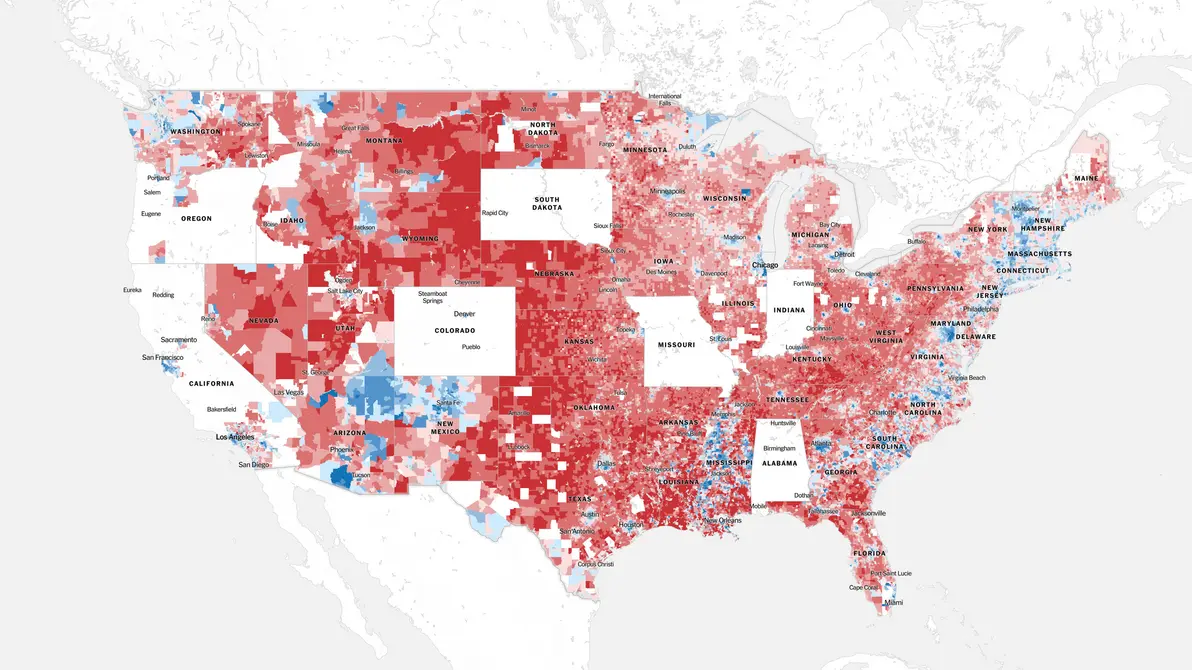
The political temperature soared in 2025 as elections became battlegrounds for climate, digital policy, and a push against the old populist guard. Election maps splashed new colors across everything from North America to the Middle East, signaling tectonic shifts.
Key Elections:
- US Presidential Election: It was a nail-biting, highly polarized contest. Unlike past years, the divide wasn’t just red versus blue—it split along lines of economic reform and climate action. Voters asked: who will future-proof America?
- UK Parliamentary Battle: Youth took the reins, with turnout topping charts unseen since the 1990s. Progressive parties surged, fueled by TikTok campaigns and digital town halls.
- Brazil’s Green Wave: Environmental advocates swept urban districts. Traditional conservative seats flipped to eco-candidates promising park expansions, solar grids, and sustainable jobs.
District-Level Maps:
- Interactive overlays told new stories—urban cores leaned progressive, rural zones held steady. But in some regions, tech-savvy grassroots candidates built bridges, turning once-stable zones into swing districts.
Election Night: How Tech Reshaped Voting
For the first time, AI-powered voter protection scanned databases for fraud in real time. Blockchain-secured ballots gave people new confidence, and AR-driven precinct maps gave viewers instant updates—changing how everyone engaged with democracy.
Analytical Commentary: Political Shifts and Ripples
What were the standout trends?
- A surge of youth and first-time voters, especially motivated by debates around digital rights and the environment.
- Growth of centrist platforms that promised innovation and stability, smoothing out old radical edges.
- Populists lost ground as climate and future-focused policies swayed crowds, rolling back divisive rhetoric.
Research from Pew Center showed people under 30 increased turnout by 18% compared to 2016, with digital access and climate focus cited as top motivators.
Election Tech Innovations:
- AI Protection gave election boards fast, fair fraud checks.
- Blockchain Voting built public trust and transparency, with real-time audit trails.
- AR Precinct Analytics let analysts redraw precincts, plan campaigns, and help voters see how their ballots mattered.
Expert Analysis: Dr. Amira Davis observed: “2025 elections confirmed a tectonic movement—citizens want tangible problem-solving and transparency, not empty promises. Expect tech-backed governance models to proliferate.”
Trying to understand how these shifts affect the economy? Dive deeper: Watch more.
Interactive Maps: A New Way for Citizens to Engage
Picture election-night parties where voters scrolled live AR overlays, zooming into their neighborhoods. Young voters ran unofficial Discord “war rooms,” tracking results and organizing next-day rallies. It was politics, reimagined—direct, transparent, and interactive.
Conclusion: The Year That Redefined Progress
So, looking back, 2025 wasn’t just a year of headlines—it was a full-scale reboot across science, society, and politics. Smart cities weren’t just futuristic—they’re rolling out now, thanks to Expo 2025 Osaka’s breakthroughs. World leaders left behind speeches for actionable, tech-driven agreements that touched commerce, the climate, and peacekeeping. And sports and culture? They didn’t just fill stadiums and feeds—they rebuilt connection and sparked new kinds of creativity.
Elections turned voters into changemakers, using digital tools and bold debates to shake up governance. The maps from 2025 show new routes for democracy—ones where transparency, participation, and innovation matter more than party lines.
What does this mean for you? That tomorrow’s world is shaped by the choices, voices, and experiments of today. If you want to read the signals for the future, the story of 2025 has plenty to teach: embrace change, trust technology, connect across borders, and never underestimate your own impact.
Continue exploring insightful stories and analyses in tech, finance, and global trends:
✅ Our Website: Watch more
✅ Our YouTube Channel: Watch more
✅ Our Facebook Fanpage: Watch more
✅ Our X (Twitter): Watch more
- t.me/finance_solutes
- Website: https://finance-solutes.com
- Hotline: +1 929 5636 439 ( Hotline )
- 26 Broadway, Suite 934, New York, 10004, US
