
 XM
XM Bybit
Bybit Binance
 Robinhood
 Webull
 IC Markets
 Pepperstone
 OKX
OKX Vantage
 VT Markets
 BingX
BingX Gate.io
 Kucoin
 MEXC
MEXC Exness
 Bitget
What is Binance Futures? This question has become central to the strategies of modern crypto investors seeking to maximize their capital efficiency. In the volatile landscape of digital assets, Binance Futures emerges as a premier derivative trading platform that allows participants to speculate on the future price movements of cryptocurrencies without the necessity of owning the underlying coins. By leveraging sophisticated financial instruments, traders can navigate both bullish and bearish market cycles, utilizing tools that were once exclusive to traditional institutional finance. Whether you are looking to hedge an existing portfolio against downside risks or seeking to amplify your gains through controlled leverage, understanding the mechanics of this platform is essential for any serious market participant aiming for long-term profitability in the evolving Web3 economy.
Binance Futures
ToggleWhat is Binance Futures and How Does the Ecosystem Function?
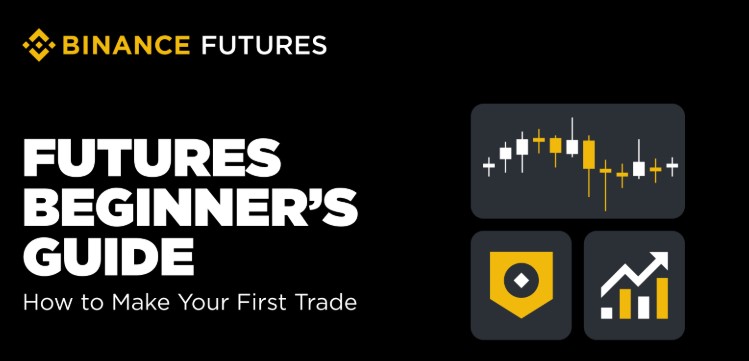
Binance Futures is the derivative branch of the world’s largest cryptocurrency exchange by trading volume. Unlike spot trading, where you purchase and own the actual digital asset, futures trading involves entering into a contract that represents the value of a specific cryptocurrency. These contracts are legally binding agreements to buy or sell an asset at a predetermined price at a specified time in the future. However, in the crypto space, most traders utilize “perpetual” contracts, which do not have an expiration date, allowing for continuous price speculation and more flexible exit strategies.
The core functionality of Binance Futures revolves around the concept of price action rather than physical ownership. When you trade on this platform, you are essentially betting on whether the price of an asset like Bitcoin or Ethereum will go up (Longing) or go down (Shorting). This provides a significant advantage over spot markets, where profit is typically only possible when prices rise. The platform integrates seamlessly with the Binance ecosystem, allowing users to transfer funds between their spot and futures wallets instantly, providing a unified interface for comprehensive asset management.
Furthermore, Binance Futures utilizes a sophisticated matching engine that can handle hundreds of thousands of orders per second. This high-performance infrastructure ensures minimal slippage and deep liquidity, which are critical for professional traders executing large orders. The ecosystem is supported by a robust insurance fund and “Mark Price” mechanisms designed to protect users from market manipulation and unnecessary liquidations during periods of extreme volatility, making it one of the most secure derivative platforms available today.
The Mechanics of Trading: Leverage and Margins Explained
One of the primary reasons traders ask “What is Binance Futures?” is to explore the potential of leveraged trading. Leverage allows you to open a position that is significantly larger than your actual account balance. For example, with 10x leverage, a $1,000 investment allows you to control a position worth $10,000. This amplification applies to both potential profits and potential losses, making it a powerful but double-edged sword that requires a disciplined approach to risk management and a clear understanding of liquidation prices.
To support these leveraged positions, Binance Futures uses a “Margin” system. There are two primary types of margin modes: Cross Margin and Isolated Margin. In Cross Margin mode, your entire margin balance is shared across all open positions to prevent liquidation. In contrast, Isolated Margin restricts the risk to an individual position by allocating a specific amount of collateral to it. Choosing the right margin mode is vital for protecting your capital, as it dictates how the system reacts when the market moves against your predicted direction.
Understanding USDT-Margined vs. Coin-Margined Contracts
Binance Futures offers two main types of settlement methods. USDT-margined contracts are settled in Tether (USDT), a stablecoin pegged to the US Dollar. These are popular because they provide a clear way to calculate returns in fiat equivalents and do not require traders to hold volatile cryptocurrencies as collateral. They are ideal for traders who want to maintain a stable account value while speculating on various altcoins without worrying about the underlying asset’s depreciation.
Coin-margined contracts, on the other hand, are settled in the underlying cryptocurrency (e.g., BTC, ETH). These are often preferred by long-term “HODLers” who wish to increase their coin holdings over time. If the market goes up while you are in a long position on a coin-margined contract, you benefit from both the trade’s profit and the increase in the value of the collateral itself. However, this also means your collateral value can drop during market downturns, increasing the risk of liquidation if not managed properly.
Perpetual vs. Delivery Futures Contracts
Most retail activity on Binance occurs within Perpetual Contracts. These have no expiry date, meaning you can hold a position for as long as you want, provided you have enough margin. To keep the contract price aligned with the spot market price, Binance employs a “Funding Rate” mechanism. If the funding rate is positive, long positions pay shorts; if negative, shorts pay longs. This ensures that the derivative price does not stray too far from the actual market value of the cryptocurrency.
Delivery Contracts (Quarterly or Bi-Quarterly) have a set expiration date. Upon expiry, the contract is settled at the average market price. These are often used by institutional traders for hedging purposes or by those who want to avoid the recurring funding fees associated with perpetual contracts. Understanding the difference between these two is key to selecting the right instrument for your specific trading duration and financial goals within the Binance Futures environment.
Why Traders Choose Binance Futures: Key Benefits
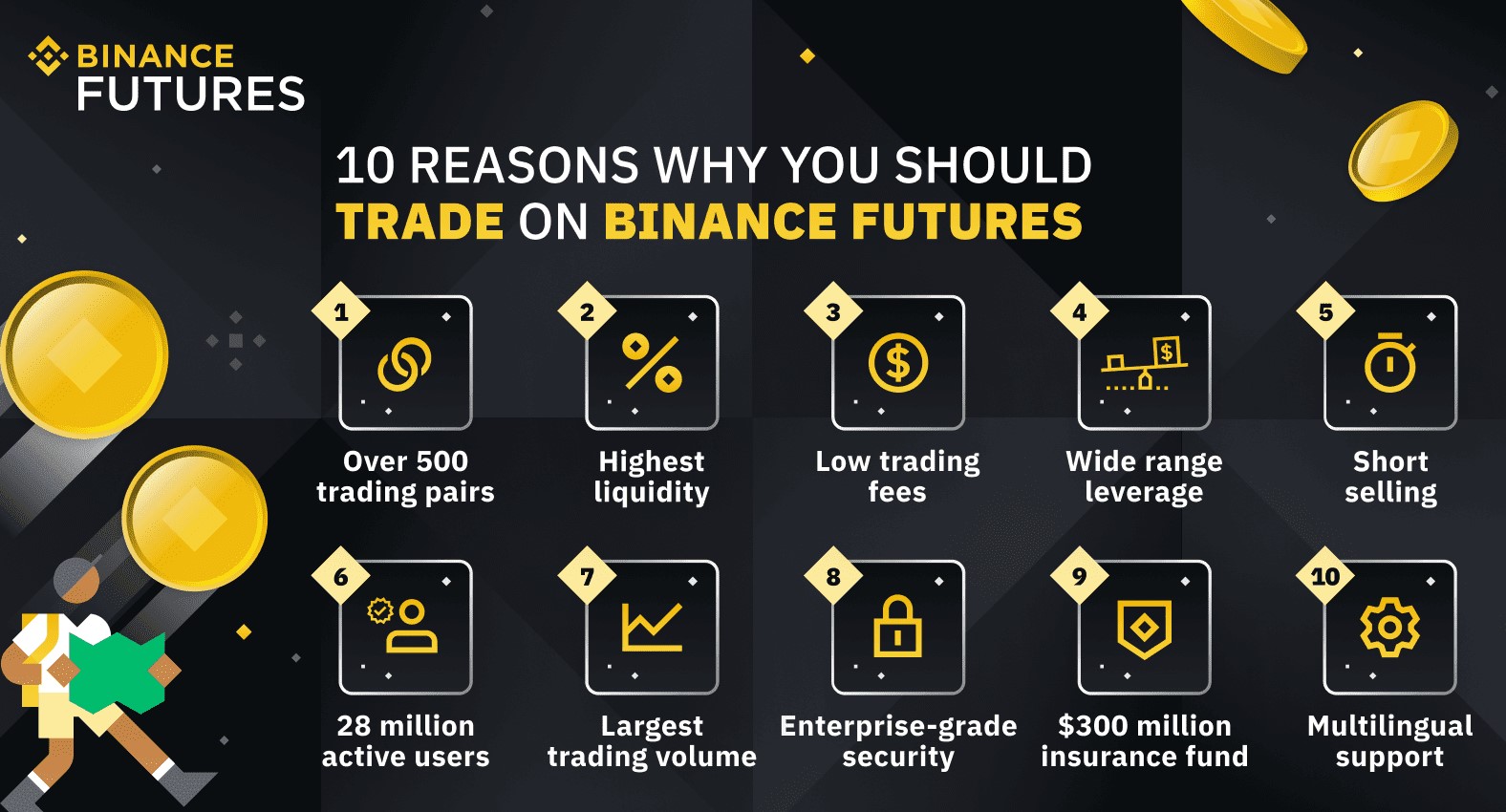
The popularity of Binance Futures stems from its combination of high liquidity and low transaction costs. Because the platform hosts a massive number of participants, traders can enter and exit positions almost instantly at their desired price levels. This liquidity is essential for minimizing “spread”—the difference between the buy and sell price—which directly impacts the profitability of high-frequency trading strategies and large-scale institutional maneuvers.
Security and a diverse range of trading pairs also set Binance apart. The platform supports over 200 different cryptocurrency pairs, giving traders the flexibility to diversify their portfolios beyond just Bitcoin. Additionally, the integration of advanced security features, including multi-factor authentication and the Secure Asset Fund for Users (SAFU), provides a layer of confidence. For many, Binance Futures isn’t just a place to trade; it is a professional-grade toolkit that offers the necessary stability to execute complex financial strategies.
| Feature | Spot Trading | Binance Futures |
|---|---|---|
| Asset Ownership | Yes, you own the coins. | No, you hold a contract. |
| Leverage | Usually none (or limited margin). | Up to 125x. |
| Profit Direction | Only when prices rise. | Both Long (up) and Short (down). |
| Expiration | None. | Perpetual or Delivery. |
Advanced Order Types and Strategic Execution
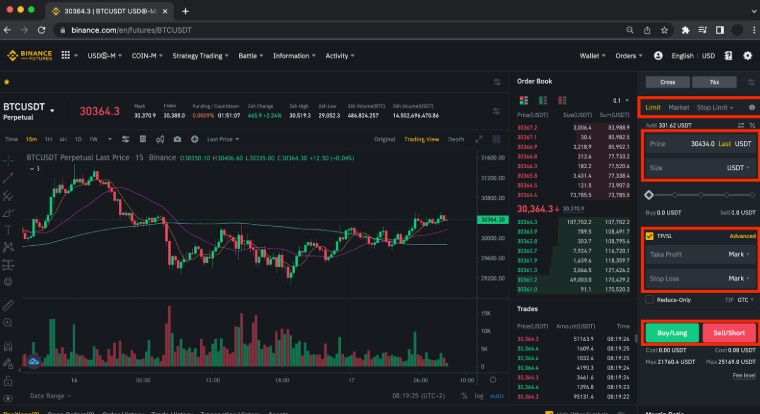
To succeed in the futures market, simply clicking “buy” or “sell” is rarely enough. Binance Futures provides a suite of advanced order types designed to automate exits and protect capital. The Limit Order is the most common, allowing you to specify a price at which you are willing to enter the market. Market Orders, conversely, execute immediately at the best available current price. Mastering these basics is the first step toward professional execution and slippage control.
More sophisticated traders utilize Stop-Limit and Stop-Market orders to manage risk. These orders only become active once a certain “Stop Price” is reached, acting as an insurance policy for your trades. If the market crashes while you are asleep, a properly placed Stop-Loss order can automatically close your position, preventing a total loss of your margin. These tools are indispensable for maintaining a healthy Risk-to-Reward ratio in the fast-paced crypto environment.
The Power of Trailing Stop Orders
A Trailing Stop order is a dynamic tool that “trails” the price as it moves in your favor. If you are in a long position and the price continues to rise, the stop price moves up with it at a set percentage. However, if the price reverses and drops by that percentage, the order triggers and closes the position. This allows traders to lock in maximum profits during a strong trend while protecting themselves from sudden trend reversals without having to manually adjust their orders constantly.
Post-Only and Time-in-Force Instructions
For those sensitive to trading fees, the “Post-Only” instruction ensures that your order is added to the order book and not executed against an existing order. This guarantees you act as a “maker” and pay lower fees. Additionally, “Time-in-Force” settings like Good ‘Til Cancel (GTC), Immediate or Cancel (IOC), or Fill or Kill (FOK) give you granular control over how long your order remains active and how it should be filled. These technical nuances are what separate hobbyists from professional traders on the Binance platform.
Risk Management: Protecting Your Capital
The most critical aspect of understanding “What is Binance Futures” is recognizing the risks involved. Because of leverage, even a small 1% move in the wrong direction can result in a 10% loss at 10x leverage, or a total liquidation at higher levels. Managing your “Margin Ratio” is therefore a daily task. If your margin ratio reaches 100%, the exchange will begin to liquidate your positions to cover the potential losses, often resulting in the loss of your entire initial collateral.
Successful traders never use their entire wallet balance on a single trade. Instead, they employ position sizing strategies, often risking only 1-2% of their total capital per trade. By using the Binance Futures Calculator, you can pre-calculate your liquidation price, PnL (Profit and Loss), and Target Price before even opening a position. This proactive approach allows you to enter the market with a clear plan, reducing the emotional stress that often leads to poor decision-making during high volatility.
- Always set a Stop-Loss: Never enter a leveraged trade without a defined exit point.
- Start with low leverage: Beginners should avoid anything above 2x to 5x leverage until they gain experience.
- Monitor the Funding Rate: High funding rates can eat into your profits if you hold positions for long periods.
- Diversify Margin Modes: Use Isolated Margin for high-risk speculative trades to protect the rest of your balance.
Step-by-Step: How to Get Started with Binance Futures
Entering the world of futures starts with a standard Binance account. Once your identity is verified (KYC), you must navigate to the “Futures” tab and specifically open a Futures account. You will likely be asked to complete a quiz designed to ensure you understand the risks of derivative trading. This is a mandatory safety measure and serves as a helpful refresher on the terminology and mechanics discussed in this guide.
After your account is active, you need to fund your Futures wallet. This is done by transferring USDT or supported cryptocurrencies from your Spot wallet. From there, you can select your preferred contract (such as BTCUSDT Perpetual), choose your margin mode, and set your leverage level. It is highly recommended to start with the “Mock Trading” feature—a paper trading environment where you can practice with virtual funds to get a feel for the interface and price movements without risking real money.
Once you are comfortable, you can place your first order. Monitor your “Open Positions” tab closely to see your unrealized PnL in real-time. Remember that the market never sleeps, so utilizing mobile alerts or automated trade management tools can help you stay on top of your portfolio. As you grow more experienced, you can explore features like “Grid Trading” bots, which automate the process of buying low and selling high within a specific price range, further optimizing your trading efficiency.
Conclusion
Binance Futures represents a powerful evolution in cryptocurrency trading, offering tools that can transform a modest portfolio into a significant financial engine when used correctly. By providing the ability to go long or short, utilize leverage, and hedge risks, it addresses the needs of both speculative traders and long-term investors. However, the complexity and speed of the futures market require a commitment to continuous learning and a strict adherence to risk management principles to avoid the common pitfalls of over-leveraging.
Ultimately, the platform is a neutral tool; its effectiveness depends entirely on the strategy and discipline of the user. For those willing to put in the time to understand market structures, technical indicators, and the platform’s unique mechanics, Binance Futures offers unparalleled opportunities in the digital asset space. As the crypto market continues to mature, mastering these derivative instruments will likely become a standard requirement for anyone looking to achieve professional-level success in the world of decentralized finance.
Watch more
- t.me/finance_solutes
- Website: https://finance-solutes.com
- Hotline: +1 929 5636 439 ( Hotline )
- 26 Broadway, Suite 934, New York, 10004, US
