
 XM
XM Bybit
Bybit Binance
 Robinhood
 Webull
 IC Markets
 Pepperstone
 OKX
OKX Vantage
 VT Markets
 BingX
BingX Gate.io
 Kucoin
 MEXC
MEXC Exness
 Bitget
As blockchain technology continues to reshape the digital landscape, understanding what is dApp has become essential for anyone exploring decentralized ecosystems. A decentralized application (dApp) operates on a blockchain network rather than relying on centralized servers, offering greater transparency, security, and user control. From finance and gaming to social platforms, dApps are transforming how users interact with technology by eliminating intermediaries and enabling trustless interactions. This innovation not only enhances data integrity but also opens up new opportunities for developers and businesses to build scalable, censorship-resistant solutions in the rapidly evolving Web3 environment.
What is dApp and How Does It Work in the Blockchain Ecosystem?
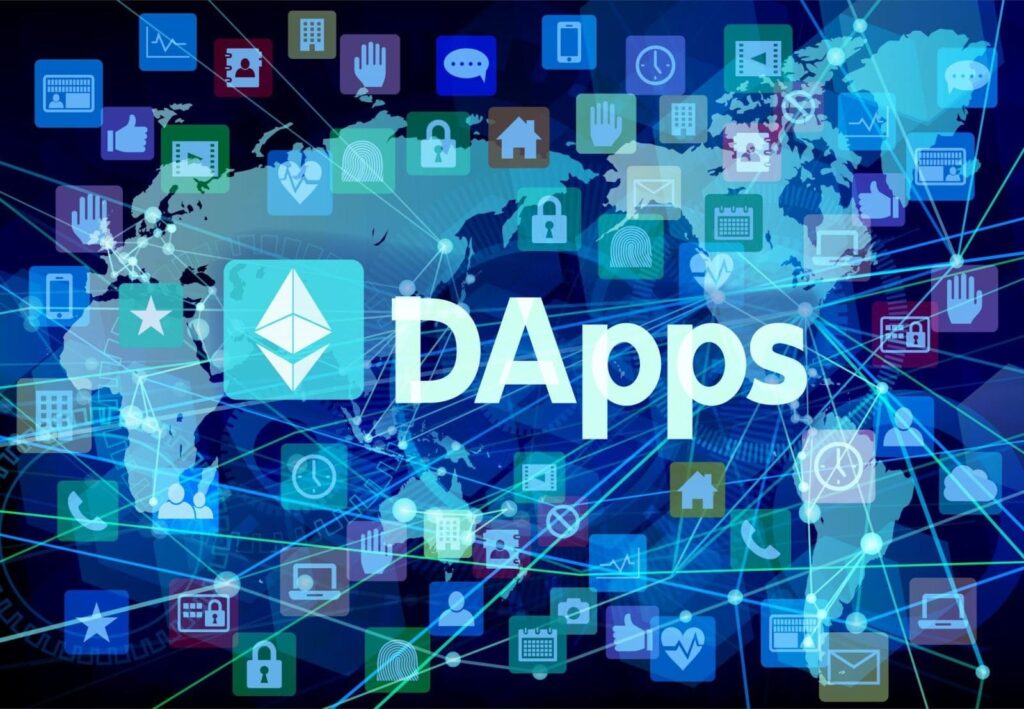
To fully understand what is dApp, it is important to explore how decentralized applications function within blockchain environments. Unlike traditional applications that rely on centralized servers, dApps operate on distributed networks powered by blockchain technology. This structure ensures that no single entity has full control over the application, enhancing transparency and reducing risks associated with centralized failures.
At the core of a dApp is a smart contract, which is a self-executing program stored on the blockchain. These contracts automatically enforce rules and execute transactions when predefined conditions are met. This eliminates the need for intermediaries, reducing costs and increasing efficiency. Additionally, because the data is stored across multiple nodes, dApps offer higher security and resistance to tampering.
A decentralized application typically consists of several essential components that work together to ensure its functionality and decentralization. Understanding these components helps clarify why dApps are fundamentally different from traditional applications.
The main elements include:
- Frontend Interface: The user-facing part of the application, similar to traditional apps, built using standard web technologies like HTML, CSS, and JavaScript.
- Smart Contracts: Backend logic that runs on the blockchain, automating processes without human intervention.
- Blockchain Network: The decentralized infrastructure where data is stored and transactions are verified.
- Cryptographic Tokens: Often used for transactions, governance, or incentivizing users within the ecosystem.
Each of these components contributes to the overall decentralization, ensuring that the application remains trustless and transparent.
Why Are dApps Important in the Digital Economy?
The rise of decentralized applications marks a significant shift in how digital services are delivered and consumed. When analyzing what is dapp, it becomes clear that their importance lies in their ability to eliminate centralized control while empowering users.
dApps introduce a new paradigm where users have greater ownership of their data and digital assets. This is particularly relevant in industries such as finance, where decentralized finance (DeFi) platforms allow users to lend, borrow, and trade without relying on traditional banks. Similarly, in gaming and digital art, dApps enable true ownership of in-game assets and NFTs.
Decentralized applications provide several advantages that make them increasingly attractive to developers and users alike. These benefits are not only technological but also economic and social.
- Transparency: All transactions are recorded on a public ledger, allowing anyone to verify data.
- Security: Distributed storage reduces the risk of hacking and single points of failure.
- Autonomy: Smart contracts eliminate reliance on intermediaries.
- Censorship Resistance: No central authority can restrict access or modify data.
These features make dApps particularly suitable for applications that require trust, security, and decentralization.
What Types of dApps Exist Today?
Understanding what is dApp also involves recognizing the different categories of decentralized applications currently available. As blockchain technology evolves, dApps are being developed across a wide range of industries, each serving unique purposes.
Broadly, dApps can be categorized into three main types based on their use cases and underlying infrastructure.
How Are dApps Categorized by Functionality?
Different types of dApps serve different functions within the blockchain ecosystem. Below is a table summarizing the primary categories:
| Category | Description | Examples of Use Cases |
|---|---|---|
| Financial dApps (DeFi) | Focus on financial services without intermediaries | Lending, borrowing, trading |
| Gaming dApps | Enable blockchain-based gaming experiences | Play-to-earn games, NFT assets |
| Social dApps | Decentralized social networks and content platforms | Content sharing, community governance |
Each category highlights the versatility of dApps and their ability to disrupt traditional industries.
What Challenges Do dApps Currently Face?
While the concept of what is dApp presents many advantages, it is equally important to consider the challenges that come with decentralized technologies. Despite their potential, dApps are still in an early stage of development and face several limitations.
One of the most significant challenges is scalability. Blockchain networks often struggle to handle large volumes of transactions efficiently, leading to slower processing times and higher costs. This can negatively impact user experience, especially when compared to traditional applications.
Several key issues currently limit the widespread adoption of decentralized applications:
- Scalability Issues: Limited transaction throughput on many blockchains.
- User Experience: Interfaces are often less intuitive than traditional apps.
- Regulatory Uncertainty: Legal frameworks for dApps are still evolving.
- High Entry Barrier: Requires technical knowledge for both users and developers.
Addressing these challenges is essential for the future growth and mainstream adoption of dApps. As technology advances, solutions such as layer-2 scaling and improved user interfaces are expected to mitigate many of these limitations.
How Can Businesses and Developers Benefit from dApps?
As the understanding of what is dApp continues to grow, businesses and developers are increasingly exploring its potential to transform traditional models. Decentralized applications offer unique advantages that can enhance operational efficiency, reduce costs, and create new revenue streams.
For businesses, dApps enable trustless transactions, meaning that agreements and processes can be executed without relying on third parties. This is particularly beneficial in industries such as supply chain management, finance, and digital identity verification. By leveraging blockchain transparency, companies can build stronger trust with customers while reducing fraud risks.
What Opportunities Do Developers Gain from Building dApps?
Developers benefit significantly from the flexibility and innovation that dApps provide. Unlike traditional platforms that impose strict rules and limitations, decentralized ecosystems encourage open-source collaboration and creativity.
- Global Accessibility: dApps can be accessed from anywhere without restrictions.
- Tokenization Models: Developers can create native tokens to incentivize users and monetize platforms.
- Decentralized Governance: Communities can participate in decision-making through DAO structures.
- Reduced Infrastructure Costs: No need for centralized servers or maintenance systems.
These opportunities make dApps an attractive option for developers looking to innovate beyond the limitations of traditional application development.
How Will dApps Shape the Future of Web3?
When evaluating what is dApp, it is essential to consider its long-term impact on the evolution of the internet. dApps are a fundamental building block of Web3, a decentralized version of the web that prioritizes user ownership, privacy, and transparency.
In the Web3 ecosystem, users are no longer just consumers but active participants who own their data and digital assets. dApps facilitate this shift by enabling peer-to-peer interactions without centralized control. This transformation is expected to redefine industries such as finance, gaming, social media, and even governance.
What Trends Are Driving the Growth of dApps?
Several emerging trends are accelerating the adoption of decentralized applications across industries:
- Layer-2 Scaling Solutions: Improve transaction speed and reduce costs.
- Cross-Chain Compatibility: Enable interoperability between different blockchains.
- Decentralized Identity: Empower users to control personal data securely.
- NFT Integration: Expand ownership of digital assets across platforms.
These trends highlight the growing maturity of the dApp ecosystem and its potential to become a mainstream technology in the near future.
What Is Finance-solutes.com and How Does It Support dApp Knowledge?
Finance-solutes.com is a specialized platform dedicated to providing in-depth insights into blockchain technology, decentralized finance, and emerging digital trends. For readers seeking to better understand what is dApp, the platform offers comprehensive resources designed to simplify complex concepts.
The website focuses on delivering high-quality, research-driven content that helps both beginners and professionals navigate the evolving Web3 landscape. From detailed guides on decentralized applications to analysis of blockchain innovations, Finance-solutes.com serves as a valuable knowledge hub.
Finance-solutes.com stands out due to its commitment to clarity, accuracy, and practical value. The platform prioritizes user education by breaking down technical topics into accessible and actionable insights.
- Expert-Level Content: Articles are crafted with deep industry knowledge.
- Comprehensive Coverage: Topics range from basic concepts to advanced blockchain applications.
- User-Focused Approach: Content is designed to answer real-world questions.
- Up-to-Date Information: Reflects the latest trends and technological advancements.
This makes it an ideal destination for anyone looking to deepen their understanding of decentralized technologies.
Conclusion
Understanding what is dApp is essential for navigating the rapidly evolving digital landscape shaped by blockchain and Web3 technologies. Decentralized applications represent a shift toward transparency, user empowerment, and trustless systems that eliminate the need for intermediaries. While challenges such as scalability and user experience remain, continuous innovation is driving the ecosystem forward. As adoption grows, dApps are poised to redefine how individuals and businesses interact with technology, making them a critical component of the future digital economy.
Related Search: what is a decentralized application, how does a dApp work, dApp meaning in blockchain, benefits of decentralized applications, examples of dApps, dApp vs traditional app, how to build a dApp, blockchain dApp development, smart contracts in dApps, popular dApps on Ethereum
Finane Solutes
- Mail: contact@finance-solutes.com
- Website: https://finance-solutes.com/
- Hotline: +84 77 90 50 998 ( Whatsapp )
- Address: St. 6, Hung Vuong 2, Tan Hung W, D.7, HCMC
- t.me/finance_solutes
- Website: https://finance-solutes.com
- Hotline: +1 929 5636 439 ( Hotline )
- 26 Broadway, Suite 934, New York, 10004, US
