
 XM
XM Bybit
Bybit Binance
 Robinhood
 Webull
 IC Markets
 Pepperstone
 OKX
OKX Vantage
 VT Markets
 BingX
BingX Gate.io
 Kucoin
 MEXC
MEXC Exness
 Bitget
What is DeFi and why is it becoming one of the most transformative trends in global finance? As traditional banking systems face limitations in accessibility, transparency, and efficiency, decentralized finance (DeFi) emerges as a revolutionary alternative powered by blockchain technology.
DeFi represents a shift from centralized financial control to a permissionless, peer-to-peer ecosystem where users can access financial services without intermediaries. From lending and borrowing to trading and investing, DeFi is redefining how money moves across the world.
This guide will help you understand what is DeFi, how it works, its real-world applications, and whether it is worth exploring as part of your financial strategy.
Understanding the Mechanics of DeFi
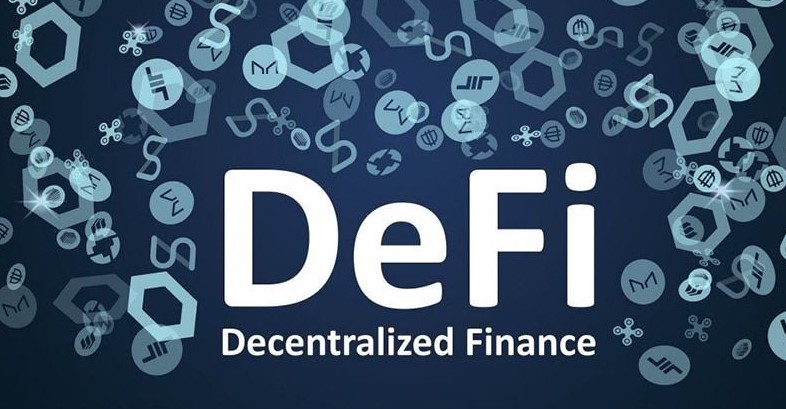
At its core, what is DeFi can be explained as a financial system built on decentralized networks. Unlike traditional finance, which relies on banks, brokers, and regulatory institutions, DeFi operates through blockchain-based protocols and smart contracts.
These systems enable direct interactions between users without requiring a central authority. Instead of trusting an institution, users trust code—specifically, smart contracts that automatically execute transactions based on predefined conditions.
The infrastructure behind DeFi includes:
- Blockchain networks (such as Ethereum)
- Smart contracts that automate transactions
- Decentralized applications (dApps)
- Cryptographic security systems
This combination eliminates inefficiencies, reduces costs, and increases transparency, making DeFi an attractive alternative to traditional finance.
How Blockchain Powers DeFi
To fully understand what is DeFi, you need to understand blockchain technology. A blockchain is a distributed digital ledger that records transactions across multiple nodes in a network.
Each transaction is grouped into a block, verified by consensus mechanisms, and permanently added to the chain. This ensures that records cannot be altered or tampered with, providing a high level of security and trust.
Key features of blockchain in DeFi include:
- Immutability: Once recorded, data cannot be changed
- Transparency: All transactions are publicly verifiable
- Security: Cryptographic encryption protects user data
- Decentralization: No single entity controls the system
Users interact with the blockchain through digital wallets, which store private keys. These keys act as proof of ownership and allow users to send, receive, and manage digital assets securely.
Exploring DeFi Applications
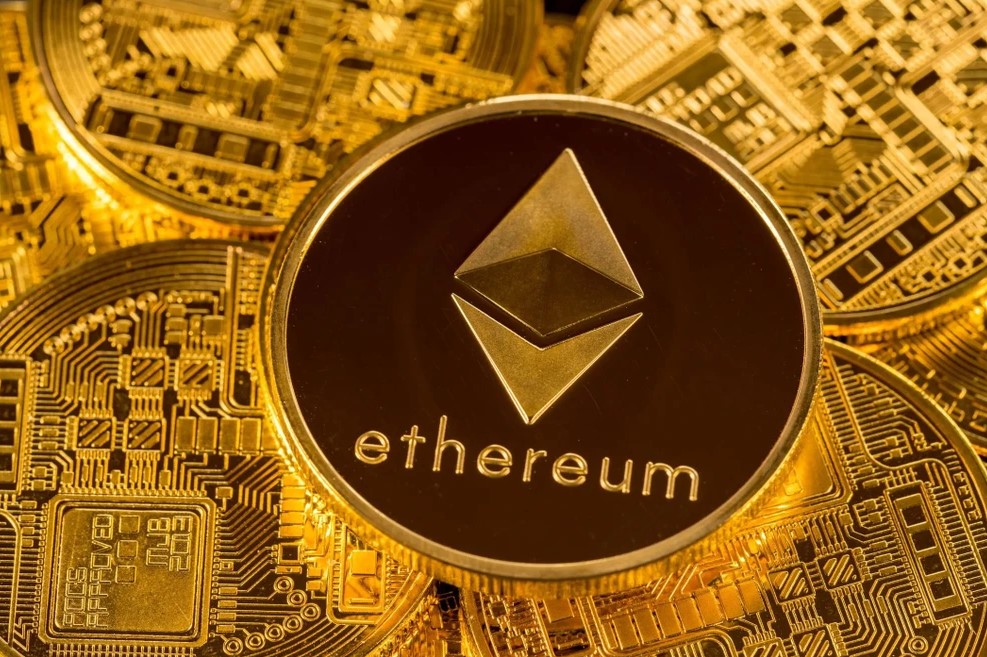
Another important aspect of understanding what is DeFi is exploring its applications. DeFi is not just a concept—it is a rapidly growing ecosystem of decentralized applications that provide real financial services.
These applications allow users to perform tasks such as:
- Sending and receiving payments globally
- Borrowing and lending assets
- Trading cryptocurrencies
- Earning interest on holdings
- Participating in investment strategies
DeFi applications are typically accessed through user-friendly interfaces, making them more accessible than raw blockchain interactions. However, they still require users to understand risks and manage their own assets.
Unlike traditional apps, DeFi platforms do not hold your funds. Instead, you retain full control through your wallet, which enhances financial sovereignty but also increases responsibility.
Primary Objectives of DeFi
The main goal behind what is DeFi is to create an open and inclusive financial system. DeFi aims to remove barriers that prevent people from accessing financial services, especially in underserved regions.
Here are the core objectives of DeFi:
- Accessibility: Anyone with internet access can participate
- Transparency: Transactions are visible on public ledgers
- Efficiency: Reduced need for intermediaries lowers costs
- Autonomy: Users control their assets directly
- Global Reach: No geographic restrictions
One of the defining characteristics of DeFi is peer-to-peer (P2P) transactions. This means two parties can exchange value directly without relying on a bank or payment processor.
However, while DeFi promotes decentralization, some platforms still rely on partial centralization, especially in governance or user interfaces.
Steps to Engage With DeFi
If you’re exploring what is DeFi and want to get started, it’s important to follow a structured approach to minimize risks and maximize opportunities.
Here are the essential steps:
- Research different DeFi sectors such as lending, trading, or staking
- Set up a secure digital wallet (e.g., MetaMask)
- Purchase cryptocurrency from a reputable exchange
- Select a DeFi platform that fits your goals
- Connect your wallet and start interacting with the platform
Before investing, always evaluate the platform’s credibility, smart contract audits, and community reputation. DeFi offers flexibility, but it also requires careful decision-making.
Real-World Example of DeFi in Action
To better understand what is DeFi, consider real-world platforms like Aave. Aave is a decentralized liquidity protocol that allows users to lend and borrow cryptocurrencies without intermediaries.
Users can deposit assets into liquidity pools and earn interest, while borrowers can access funds by providing collateral. This system operates entirely through smart contracts.
Such platforms demonstrate how DeFi replicates traditional financial services while improving efficiency and accessibility.
Popular Uses for DeFi Technology
The scope of what is DeFi extends far beyond simple transactions. Today, DeFi encompasses multiple financial services and innovative use cases.
Decentralized Exchanges (DEXs)
DEXs allow users to trade cryptocurrencies directly from their wallets. Unlike centralized exchanges, they do not require identity verification or custody of funds.
Liquidity Provision
Users can contribute assets to liquidity pools, enabling smooth trading on platforms. In return, they earn fees or rewards.
Lending and Yield Farming
DeFi lending platforms allow users to earn interest by lending assets. Yield farming involves optimizing returns by moving assets across different protocols.
Prediction Markets and Gaming
Some DeFi platforms enable users to bet on outcomes or participate in blockchain-based gaming ecosystems.
NFT Integration
Non-fungible tokens (NFTs) are increasingly integrated into DeFi, enabling new forms of ownership, collateralization, and digital asset management.
Navigating the Hype Around DeFi
While understanding what is DeFi, it’s important to separate reality from hype. The DeFi space is often driven by speculation, rapid innovation, and media attention.
Many projects promise high returns, but not all are sustainable or trustworthy. Users should be cautious of scams, exaggerated claims, and unverified platforms.
Despite billions of dollars flowing through DeFi, it still represents a small fraction of the global financial system. This highlights both its potential and its current limitations.
Crypto Winters
The DeFi ecosystem is closely tied to cryptocurrency markets. During “crypto winters,” asset prices decline significantly, affecting DeFi activity and investor confidence.
Market cycles are a natural part of the ecosystem, and long-term participants must be prepared for volatility.
Is Decentralized Finance Worth It?
So, what is DeFi worth to you as an investor or user? The answer depends on your financial goals, risk tolerance, and understanding of the technology.
DeFi offers unique advantages such as high returns, global accessibility, and financial independence. However, it also comes with significant risks, including:
- Smart contract vulnerabilities
- Market volatility
- Lack of regulation
- Potential loss of funds
For beginners, DeFi should be approached cautiously. It may serve as a high-risk, high-reward component of a diversified financial strategy rather than a primary investment vehicle.
Concerns About DeFi
Understanding what is DeFi also involves recognizing its challenges. The ecosystem is still evolving and faces several critical issues.
Security remains a major concern, as hacks and exploits are common. Additionally, the lack of regulatory clarity raises questions about legal accountability and consumer protection.
Key concerns include:
- Who regulates cross-border transactions?
- How are disputes resolved?
- Who is responsible for platform failures?
As governments and institutions begin to engage with blockchain technology, clearer regulations may emerge in the future.
Can You Make Money With DeFi?
Yes, earning opportunities are one of the main reasons people explore what is DeFi. Users can generate income through:
- Yield farming
- Staking
- Liquidity provision
- Trading strategies
However, these opportunities come with risks. High returns often indicate higher risk levels, and users should conduct thorough research before committing funds.
Is Decentralized Finance Safe?
Safety is a critical concern when evaluating what is DeFi. While blockchain technology is secure, the applications built on top of it may not always be.
Users must take responsibility for securing their wallets, managing private keys, and verifying platform legitimacy. Unlike traditional finance, there is often no recourse in case of loss.
How Is DeFi Different From Bitcoin?
Bitcoin is a cryptocurrency, while DeFi is an entire ecosystem. Understanding what is DeFi means recognizing that it includes multiple cryptocurrencies, protocols, and applications.
Bitcoin can be used within DeFi, but DeFi itself encompasses a broader range of financial services beyond simple transactions.
What Is Decentralized Finance for Beginners?
In simple terms, what is DeFi for beginners can be described as a system that allows people to manage money without banks. Using only a smartphone and internet connection, users can send, receive, and grow their assets globally.
This simplicity is what makes DeFi both powerful and disruptive.
The Bottom Line
What is DeFi ultimately represents a paradigm shift in how financial systems operate. By removing intermediaries and leveraging blockchain technology, DeFi creates a more open, transparent, and accessible financial ecosystem.
However, it is still in its early stages and comes with significant risks. Users must approach it with caution, conduct thorough research, and understand both its potential and limitations.
As technology evolves and adoption increases, DeFi could play a major role in shaping the future of global finance. For now, it remains an exciting yet complex space that offers both opportunities and challenges for those willing to explore it.
Advanced DeFi Concepts You Should Know
Once you understand what is DeFi at a basic level, it becomes important to explore more advanced concepts that shape the ecosystem. These elements are what differentiate experienced DeFi users from beginners and often determine success or failure in this space.
Advanced DeFi strategies are built on combining multiple protocols, optimizing yields, and understanding how liquidity flows across different platforms. While these concepts can be complex, they offer deeper insight into how decentralized finance truly operates.
Smart Contracts and Automation

Smart contracts are the backbone of DeFi. These are self-executing programs stored on a blockchain that automatically carry out actions when predefined conditions are met.
For example, in a lending protocol, a smart contract can automatically liquidate collateral if its value drops below a certain threshold. This eliminates the need for human intervention and ensures fairness across the system.
However, poorly written smart contracts can lead to vulnerabilities. This is why audits and open-source transparency are critical factors when evaluating any DeFi platform.
Tokenization of Assets
Tokenization refers to the process of converting real-world or digital assets into blockchain-based tokens. This is another key concept when understanding what is DeFi.
Assets that can be tokenized include:
- Real estate
- Stocks and bonds
- Commodities
- Art and collectibles
This allows users to trade fractional ownership of assets, increasing liquidity and accessibility. Tokenization is expected to play a major role in bridging traditional finance and decentralized finance in the coming years.
Interoperability Between Protocols
One of the most powerful aspects of DeFi is interoperability. Different platforms can interact seamlessly, allowing users to move assets across protocols to maximize returns.
This concept is often referred to as “money legos,” where financial services can be stacked and combined. For example, a user can:
- Deposit funds into a lending platform
- Receive interest-bearing tokens
- Use those tokens as collateral in another protocol
This level of flexibility is something traditional finance cannot easily replicate.
DeFi vs Traditional Finance
To fully grasp what is DeFi, it’s helpful to compare it with traditional financial systems. While both aim to provide financial services, their structures and philosophies are fundamentally different.
| Aspect | Traditional Finance | DeFi |
|---|---|---|
| Control | Centralized institutions | Decentralized protocols |
| Access | Restricted, requires verification | Open to anyone with internet |
| Transparency | Limited | Fully transparent on blockchain |
| Speed | Slow (days for settlement) | Near-instant transactions |
| Costs | High fees | Lower, variable fees |
This comparison highlights why DeFi is often seen as a disruptive force in the financial industry.
Risks Management Strategies in DeFi
Understanding what is DeFi is incomplete without learning how to manage risks effectively. While the opportunities are significant, so are the potential downsides.
Here are key strategies to protect your capital:
Diversification
Never allocate all your funds into a single protocol. Spread your assets across multiple platforms to reduce exposure to a single point of failure.
Use Audited Platforms
Always choose protocols that have undergone third-party security audits. While audits are not foolproof, they significantly reduce the likelihood of vulnerabilities.
Start Small
If you are new to DeFi, begin with a small investment. This allows you to learn the system without risking significant capital.
Understand Impermanent Loss
Liquidity providers face a unique risk called impermanent loss, which occurs when the value of deposited assets changes relative to each other.
Before providing liquidity, ensure you understand how this mechanism works and how it can affect your returns.
The Future of DeFi
The future outlook is a crucial part of understanding what is DeFi. While still evolving, DeFi has already demonstrated its potential to reshape global finance.
Several trends are expected to drive its growth:
- Integration with traditional financial institutions
- Improved scalability and lower transaction costs
- Enhanced user experience and accessibility
- Regulatory clarity across major markets
Layer 2 solutions and new blockchain networks are also helping address scalability issues, making DeFi more efficient and user-friendly.
As adoption increases, DeFi could become a core component of the global financial infrastructure.
Common Misconceptions About DeFi
There are many misunderstandings surrounding what is DeFi, especially among beginners. Clarifying these misconceptions can help users make more informed decisions.
DeFi Is Completely Anonymous
While DeFi does not require personal identification, transactions are recorded on public blockchains and can be traced.
DeFi Is Risk-Free
High returns often attract users, but DeFi carries significant risks, including smart contract bugs and market volatility.
Only Experts Can Use DeFi
Although DeFi can be complex, modern applications are becoming increasingly user-friendly, making them accessible to a broader audience.
Final Thoughts on What Is DeFi
What is DeFi is more than just a trending keyword—it represents a fundamental transformation in how financial systems operate. By leveraging blockchain technology, DeFi removes traditional barriers and empowers individuals with full control over their assets.
From lending and trading to earning passive income, DeFi offers a wide range of opportunities. However, it also requires a strong understanding of risks, security practices, and market dynamics.
As the ecosystem continues to mature, those who take the time to learn and adapt will be best positioned to benefit from this financial revolution. Whether you are a beginner or an experienced investor, understanding DeFi is becoming increasingly essential in the digital economy.
In conclusion, what is DeFi is not just a question—it is the starting point for exploring one of the most innovative and rapidly evolving sectors in modern finance.
Watch more
- What Is Hook Rate? Meaning, Formula & How to Improve It
- What is Binomo? An In-Depth Guide to Trading, Safety, and Profitability
- How to Mine Bitcoin: The Definitive Guide for Modern Digital Miners
- Hard money loans loan-to-value (LTV) ratio calculation risk assessment
- t.me/finance_solutes
- Website: https://finance-solutes.com
- Hotline: +1 929 5636 439 ( Hotline )
- 26 Broadway, Suite 934, New York, 10004, US
