
 XM
XM Bybit
Bybit Binance
 Robinhood
 Webull
 IC Markets
 Pepperstone
 OKX
OKX Vantage
 VT Markets
 BingX
BingX Gate.io
 Kucoin
 MEXC
MEXC Exness
 Bitget
What is Altcoin? A concept that every investor and trader must know before deciding to participate in the cryptocurrency market. The details of what altcoins are, the factors by which altcoins are classified, and a list of potential altcoins that traders cannot ignore will be revealed in today’s article.
1. WHAT IS ALTCOIN?
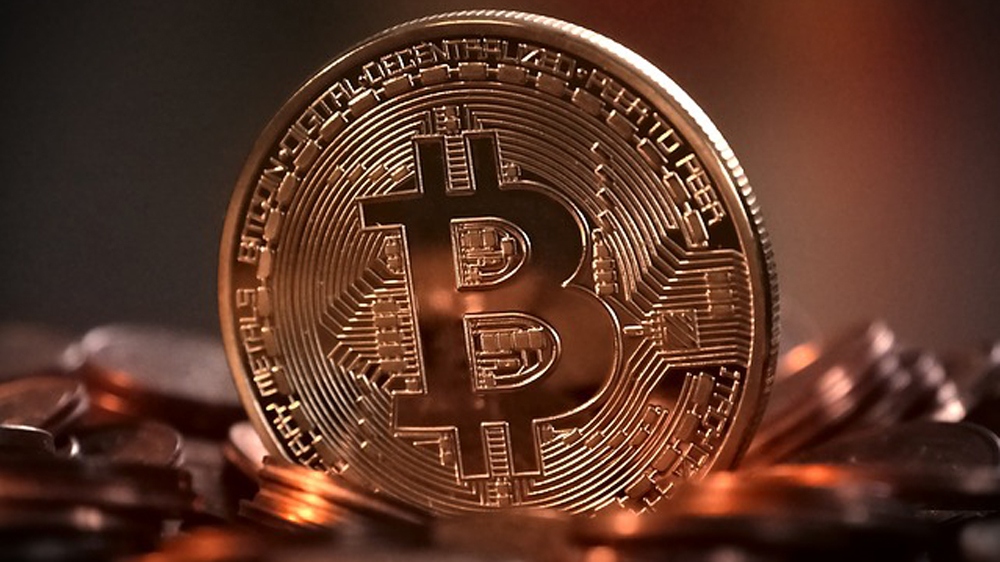
Altcoin stands for “alternative coin,” referring to any cryptocurrency that serves as an alternative to Bitcoin. Essentially, any cryptocurrency or token that is not BTC is considered an altcoin.
Why are altcoins considered digital currencies that replace Bitcoin? The reason lies in Bitcoin’s prominence and its global establishment, which makes it the most widely recognized cryptocurrency. As of now, BTC remains the coin with the largest market capitalization in the cryptocurrency market.
The emergence of altcoins began around 2011. The first altcoin, Namecoin, was released in April 2011. The altcoin market is characterized by its volatility and is often seen as a high-risk, speculative investment.
1.1. What is Altcoin Season?
Altcoin season refers to a period in the cryptocurrency market when certain altcoins experience strong, sudden price increases. During altcoin season, the price of altcoins has the potential to outperform Bitcoin in the same timeframe. In this period, Bitcoin tends to lose some of its dominance.
An early example of altcoin season occurred during Bitcoin’s peak in 2017. At that time, many new coins were launched based on the smart contract capabilities of the Ethereum blockchain. The peak of the altcoin season in 2018 saw Bitcoin’s market capitalization drop to 37.84%, according to statistics from CoinMarketCap.
Many entities advertise the Altcoin Season Index. So, what is the Altcoin Season Index? Simply put, it is a tool to measure market sentiment and determine whether the cryptocurrency market is dominated by BTC or altcoins. However, since the market is constantly fluctuating, there is no fixed date to accurately determine when altcoin season occurs.
1.2. How do Altcoins Work?
Similar to Bitcoin, altcoins operate using blockchain technology. Blockchain is a decentralized digital database that is maintained simultaneously by numerous computers worldwide. The data in this case includes cryptocurrency transactions, NFT ownership, and decentralized finance (DeFi) smart contracts.
New transactions are verified and recorded on the blockchain in the form of transaction blocks. Once recorded on the blockchain, transactions cannot be reversed. While the operational mechanisms of altcoins are largely based on the same principles as Bitcoin, some altcoins are designed to improve upon certain flaws or achieve other specific goals.
Some altcoins, like Ethereum, have maintained their position in the market through continuous innovation and the strength of their communities.
2. TYPES OF ALTCOINS
Since 2011, many altcoins have been created. Altcoins can be classified into several main types, including:
– Stable Coins: These altcoins are less affected by market fluctuations. The price of stablecoins remains stable, and their value is tied to the value of a real-world fiat currency. For example, USDT is pegged to the value of USD.

– Token: These operate on an existing blockchain. For example, ChainLink is built on the Ethereum blockchain platform. LINK is the token used to pay for ChainLink services. Tokens can be further divided into security tokens and utility tokens. A security token represents ownership of a tangible asset. On the other hand, a utility token is not tied to any currency or tangible value.
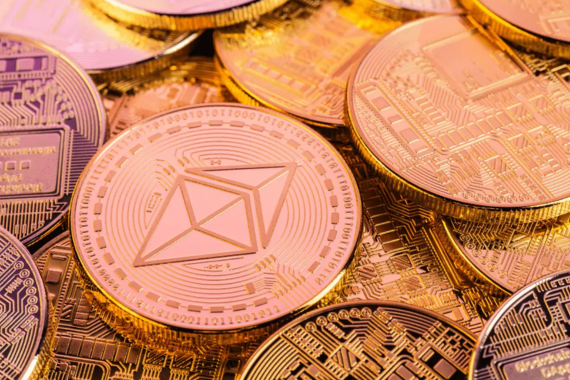
– Native Coin: These altcoins are created to run on a specific blockchain network. For example, Ether (ETH) – the second-largest cryptocurrency by market capitalization – is the native coin of the Ethereum network. Binance Coin (BNB) is the native coin used on the Binance Chain.
3. Advantages and Disadvantages of Altcoins
Blockchain technology, which provides the foundation and energy for building altcoins, is continually evolving. New applications are constantly emerging, and there have been significant advancements from the early days of the technology. Each altcoin is created with its own unique goals and development journey. Unlike traditional currencies, altcoins can support more complex functions.
However, the price of altcoins, like any other cryptocurrency, is highly volatile. All investments carry risks, and in the cryptocurrency market, these risks can be much higher. The true value of cryptocurrency is determined and priced by the market, so it can experience significant gains or losses in a very short time.
For example, just with a tweet from Elon Musk in mid-December 2021 about Tesla possibly accepting Dogecoin as payment for certain goods, the price of Dogecoin rose by over 20% on the same day. However, the price of this altcoin later fell back down.
4. How to Buy Altcoins
With the growing popularity of cryptocurrencies, buying altcoins has become relatively easy. You can purchase altcoins on popular exchanges. Before investing or buying altcoins for speculative trading, make sure to thoroughly research the altcoin projects. Consider the following factors before deciding which altcoin to invest in:
– Does the emergence of new cryptocurrency trends significantly affect Bitcoin’s dominance in the market?
– Is the market capitalization of the altcoins starting to rise?
– Research the purpose behind the creation and release of the altcoin, and assess its potential for future development.
Note that this is a market where significant fluctuations are inevitable. It’s not uncommon to see altcoin projects fail, but it’s also easy to spot those that succeed and make a significant mark on the market.
5. List of Potential Altcoins
While altcoins may struggle to surpass Bitcoin in terms of value and market capitalization, there are still several promising altcoin projects that investors should keep an eye on.
Of course, evaluating which altcoins have long-term value is not easy. Below is a list of the most promising altcoins to date:
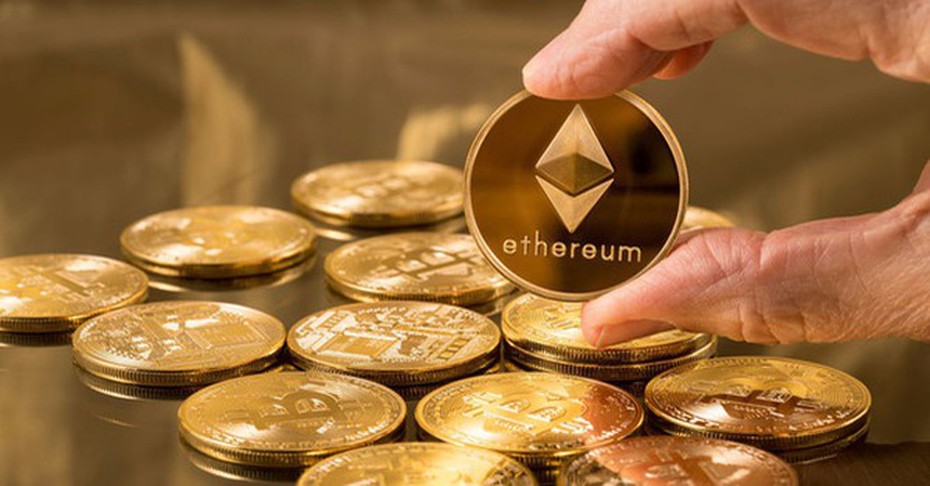
– Ethereum (ETH): It would be remiss to exclude Ethereum from any list of potential altcoins. Founded in 2013, this blockchain platform has grown to become the second-largest blockchain in the cryptocurrency market. Ethereum is an ideal altcoin for long-term investors. Particularly, the upcoming Ethereum 2.0 upgrade, which will transition the blockchain to a Proof of Stake mechanism, could create a new wave in the crypto market.
– ChainLink (LINK): Tradafx has also written about the LINK coin project. This is a decentralized oracle network designed to connect smart contracts with external data and services outside the blockchain. It represents a significant step forward in decentralized data networks.
– Uniswap (UNI): Another decentralized exchange ecosystem built on the Ethereum blockchain. Uniswap uses an automated market-making protocol to execute trades through a series of smart contracts.
6. Conclusion
In addition to questions like “What is altcoin?” or “What are altcoins?”, investors often search for answers to whether they should buy altcoins. In reality, all articles can only help you understand what altcoins are and the concepts surrounding them, but deciding whether investing in altcoins is a good move depends on your goals, direction, and the returns you expect from your investment.
However, it can be stated that altcoins can bring significant risks in a very short time. For those who lack knowledge about the market, they may experience the feeling of their account vanishing in a short period. Therefore, not all altcoins are suitable for every investor.
- t.me/finance_solutes
- Website: https://finance-solutes.com
- Hotline: +1 929 5636 439 ( Hotline )
- 26 Broadway, Suite 934, New York, 10004, US
