
 XM
XM Bybit
Bybit Binance
 Robinhood
 Webull
 IC Markets
 Pepperstone
 OKX
OKX Vantage
 VT Markets
 BingX
BingX Gate.io
 Kucoin
 MEXC
MEXC Exness
 Bitget
As a cryptocurrency investor, you’ve likely heard of Ethereum (ETH)—the second-largest cryptocurrency by market capitalization. Like most cryptocurrencies, ETH is associated with both digital assets and blockchain technology. Moreover, this network is a blockchain specifically designed for smart contracts. This allows developers to create programs using Smart Contracts for various purposes, including decentralized applications (dApps). The Ethereum Virtual Machine (EVM) is the backbone that makes this possible.
So, what exactly is the EVM? How does the EVM function? What are its advantages and limitations? Let’s dive into the details with Forex in today’s article.
1. WHAT IS THE ETHEREUM VIRTUAL MACHINE (EVM)?
In this section, let’s explore what the Ethereum Virtual Machine (EVM) is and how it operates.
1.1 Definition of the EVM
The term Ethereum Virtual Machine (EVM) refers to a virtual environment designed to execute the Bytecode of smart contracts.
Similar to most other blockchains, Ethereum relies on thousands of participants running software on their computers to support the network. Each Node (essentially a computer) in the network operates the EVM and executes smart contracts. To perform any task on this virtual machine, you need to pay a fee known as the Gas Price. However, instead of paying in conventional currency, you must use a specific cryptocurrency native to the Ethereum network.
Understanding simply, the EVM acts as an intermediary for executing smart contracts on the Ethereum network. Each Ethereum Node is equipped with its own EVM, ensuring the network’s security and decentralization.
1.2 How Does the Ethereum Virtual Machine Operate?
Investors often think of Bitcoin as a distributed ledger that enables decentralized currencies using basic cryptographic tools.
Practical Example: A BTC address cannot spend more BTC than it has received. This rule underpins all Bitcoin transactions and many other blockchains in the cryptocurrency market.
While Ethereum’s cryptocurrency (ETH) adheres to similar fundamental principles, it also enables a more powerful functionality: Smart Contracts. This more complex feature naturally requires a more sophisticated algorithm. Unlike Bitcoin’s distributed ledger, Ethereum functions as a Distributed Machine State.
The state of Ethereum is a large data structure that contains not only all accounts and balances but also the machine state. This state can change from one block to another based on predefined rules and the ability to execute arbitrary machine code. These specific rules for transitioning between blocks are defined by the EVM.
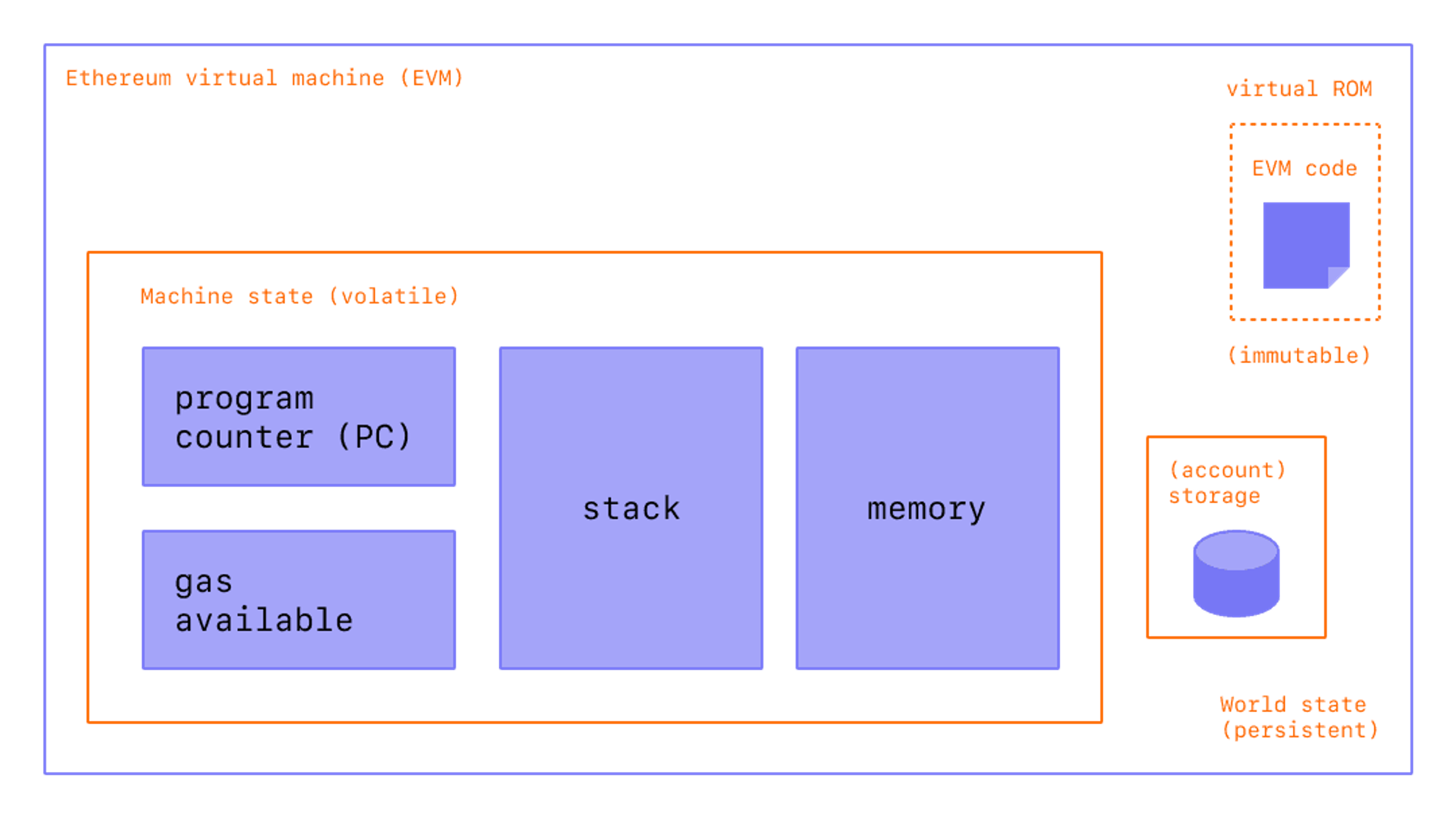
When functioning, the EVM operates like a mathematical function: given an input, it produces a defined output. This makes it a highly effective solution for describing Ethereum’s state-transition functionality.
2. WHAT IS AN EVM BLOCKCHAIN?
The term EVM Blockchain refers to blockchains that are compatible with the Ethereum Virtual Machine. This compatibility means that smart contracts from the Ethereum network can also run on these blockchains. In other words, with minor adjustments, decentralized applications (dApps) built on Ethereum can operate seamlessly on EVM blockchains.
Examples of EVM Blockchains: Celo, Fantom, Binance Smart Chain (BSC), etc.
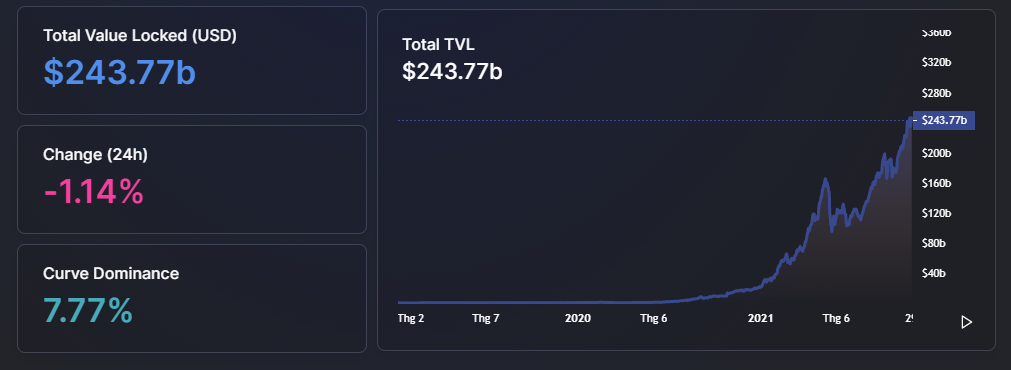
Currently, Ethereum is the leading ecosystem, hosting hundreds of projects, with a Total Value Locked (TVL) of $197 billion, accounting for over 65% of the DeFi market. This makes it a fertile ground, attracting many other blockchains to “bridge” to its network.




- t.me/finance_solutes
- Website: https://finance-solutes.com
- Hotline: +1 929 5636 439 ( Hotline )
- 26 Broadway, Suite 934, New York, 10004, US
